
“Trauma hair” is becoming more widely recognised as a real and distressing issue for people from all walks of life. For many, the sudden or gradual loss and changes in hair can feel confusing and deeply upsetting, yet it is often misunderstood or dismissed.
This guide aims to shine a light on trauma hair by exploring what causes it, how it can present, and the most effective solutions available in 2026. You will discover the latest scientific research, new treatments, and supportive strategies to help you take control of your hair health and emotional wellbeing.
If you or someone you care about is experiencing trauma hair, know that hope and recovery are possible. Let’s begin this journey together towards understanding, healing, and renewed confidence.
What Is Trauma Hair? Defining the Phenomenon
“Trauma hair” is a term you might not have heard before, but its effects are far from rare. This condition refers to hair loss triggered by both physical and psychological trauma. Unlike genetic or age-related hair thinning, trauma hair can affect anyone, regardless of age or background.
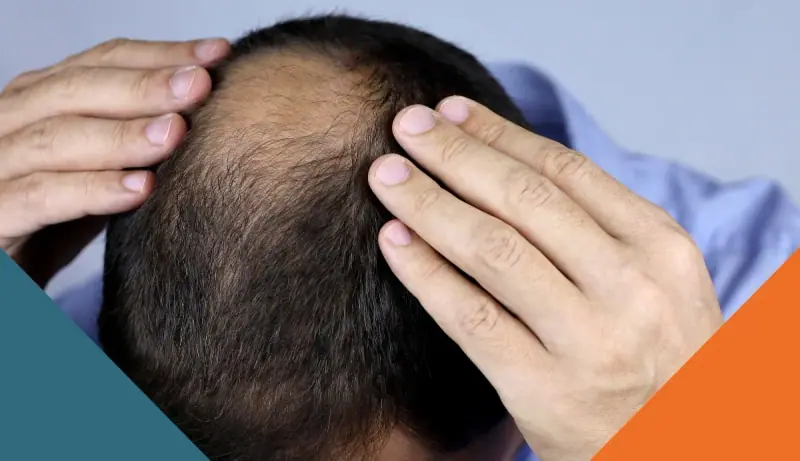
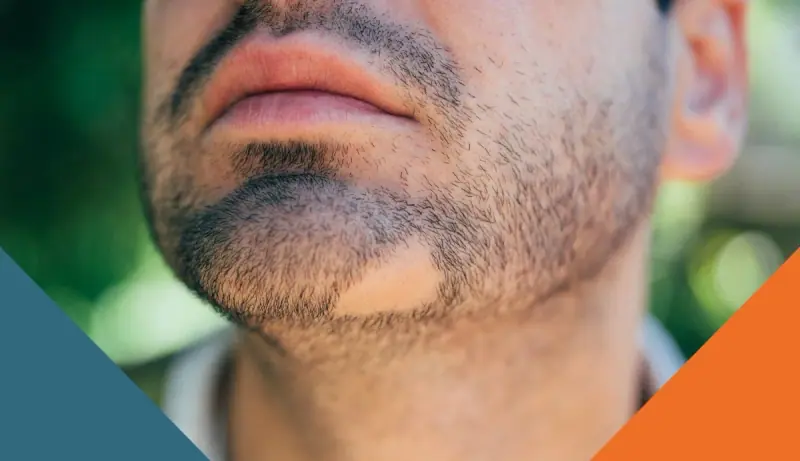
When the body undergoes trauma, hair follicles often react by shifting abruptly through the normal hair growth cycle: anagen (growth), catagen (transition), and telogen (resting or shedding). Sudden changes, such as a stressful event, illness, or injury, can push more hairs into the telogen phase at once. This leads to visible symptoms like sudden shedding, patchy bald spots, thinning, and changes in hair texture.
The emotional toll can be just as significant as the physical impact. Many people experiencing trauma hair feel isolated or misunderstood, as the condition is often mistaken for hereditary hair loss. However, the causes and consequences are different. For instance, trauma hair may be temporary, especially if the trigger is addressed early, while genetic hair loss usually progresses slowly over time.
Let’s look at a real-life example: telogen effluvium. After a major shock—such as bereavement or surgery—up to 50% of people notice excessive hair shedding within weeks. This is a protective, biological response to stress. For more on this specific response, you can read about Telogen Effluvium and Stress.
Here’s a quick comparison:
| Trauma Hair | Genetic Hair Loss |
|---|---|
| Sudden onset | Gradual progression |
| Linked to an event | Family history common |
| Patchy or diffuse | Patterned thinning |
| Can be temporary | Usually permanent |
Trauma hair is a complex issue that demands both medical insight and emotional support. Understanding its roots is the first step towards recovery.
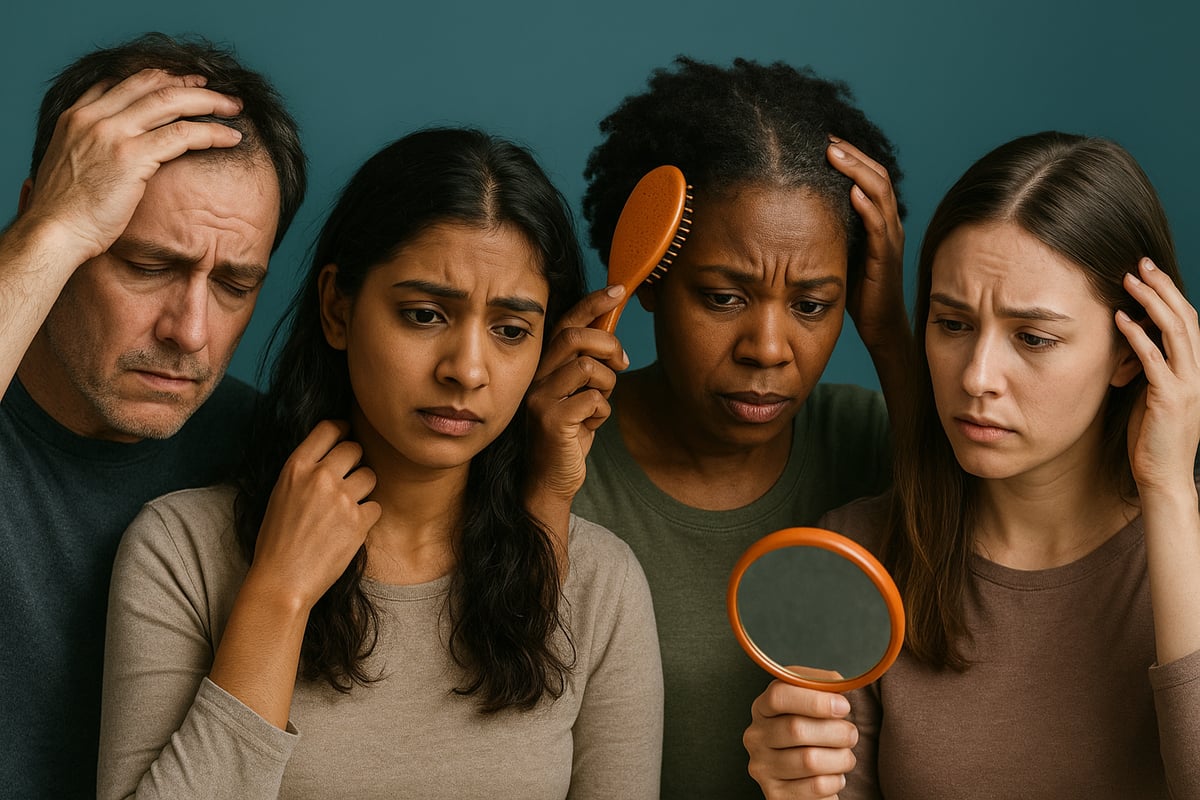
Psychological trauma is another powerful cause. Events like bereavement, abuse, chronic stress, or PTSD can all result in trauma hair. The mind and body are closely linked, and intense emotional distress often shows itself through physical symptoms, including hair loss.
One lesser-known type is trichotillomania, a condition where people compulsively pull out their hair in response to trauma or anxiety. This behaviour is both a coping mechanism and a sign of deeper distress.
Cultural and symbolic factors also play a role. In many societies, hair is tied to identity, strength, or mourning rituals. After trauma, some people choose to cut their hair as a symbolic act of letting go or starting anew.
The many faces of trauma hair remind us that this is not just a cosmetic issue. It’s a reflection of our health, our emotions, and sometimes our deepest struggles.
The Science: How Trauma Causes Hair Loss
Understanding the science behind trauma hair can feel overwhelming, but knowing what happens inside your body is the first step to taking back control. When trauma strikes, whether physical or emotional, your hair follicles react in complex ways. This section explores why trauma hair develops, how both body and mind contribute, and what the latest research reveals about the journey from shock to shedding.

As the body heals, fibrosis and scarring may set in, creating permanent bald patches by blocking new hair growth. But trauma hair is not just about injury—stress hormones like cortisol and adrenaline play a huge role. After a traumatic event, these hormones can push follicles into the resting phase, triggering sudden shedding. Recent discoveries, such as those outlined in Stress hormone impairs hair growth, show how stress disrupts normal hair cycling at a cellular level.
A real-world example is telogen effluvium, where people experience massive hair shedding after a major illness or life event. Data suggests up to 70% of severe scalp injuries result in permanent, localised hair loss. The key insight is that trauma hair can be triggered quickly and may become permanent if not addressed early.
Psychological and Emotional Trauma Pathways
Trauma hair is not just a physical reaction—it is deeply tied to our emotions and mental health. Chronic stress, grief, and PTSD can all disrupt the hair growth cycle. When someone experiences intense emotional trauma, the brain signals the body to conserve energy, pushing hair into a shedding phase.
Research shows that experiencing bereavement or ongoing stress can result in diffuse thinning or sudden hair loss. Some cultures even have rituals that involve cutting or shedding hair as a symbolic release of trauma, reflecting the strong mind-body connection. The emotional toll of trauma hair can be as significant as the physical effects, causing anxiety, lowered confidence, and even social withdrawal.
It is important to recognise that trauma hair caused by psychological triggers is just as real and impactful as hair loss from an accident or surgery. In both cases, the body responds to threat or stress in a way that affects hair follicles, and understanding this can help sufferers find compassion for themselves.
Trichotillomania: Trauma-Linked Compulsive Hair Pulling
Another side of trauma hair is trichotillomania, a compulsive condition where people pull out their own hair, often in response to trauma or overwhelming stress. This behaviour is more common than many realise, especially among trauma survivors. The urge to pull can be triggered by anxiety, boredom, or as a coping mechanism during difficult times.
Trichotillomania creates unique patterns of hair loss: patchy bald spots, broken hairs, and sometimes even scarring. Recognising the signs early is crucial. Thankfully, support has improved in recent years. Therapies such as cognitive behavioural therapy (CBT), mindfulness, and support groups are now widely available, offering hope for those struggling with this aspect of trauma hair.
The journey to overcoming trauma hair linked to trichotillomania is deeply personal. With the right help and understanding, recovery and regrowth are possible, and many people find renewed confidence along the way.
Diagnosing Trauma Hair Loss: Signs, Symptoms & Assessment
Recognising trauma hair loss is crucial for effective recovery. Many people feel overwhelmed by sudden changes in their hair, especially when it happens after a distressing event or injury. Understanding what to look for can help you take the right steps sooner and regain control over your wellbeing.
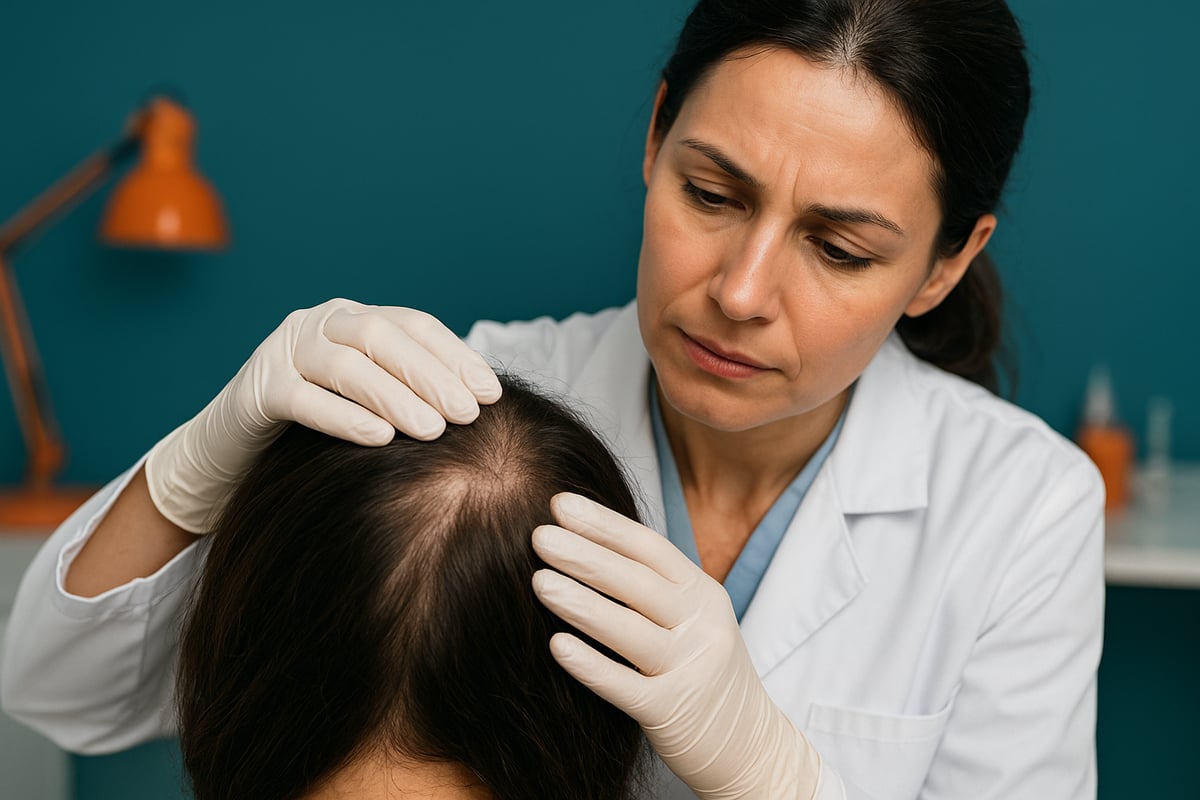
A thorough physical examination is essential. Specialists may inspect the scalp for redness, scarring, and inflammation. Trichoscopy, a technique using a magnifying tool, helps identify patterns or miniaturisation of hair follicles. The hair pull test, where a small group of hairs is gently tugged, can reveal the degree of active shedding.
Medical history plays a vital role. Linking the onset of hair changes to recent events like surgery, accidents, or severe stress helps distinguish trauma hair from other forms. For example, a patient who experiences diffuse shedding weeks after a car accident may be dealing with telogen effluvium, rather than a genetic condition.
It is easy to confuse trauma hair with other types of hair loss, such as alopecia areata or androgenetic alopecia. This often leads to misdiagnosis. In fact, over 60% of trauma hair cases are initially mistaken for other causes, according to the Royal College of General Practitioners in 2025.
A quick comparison table can help clarify key differences:
| Feature | Trauma Hair Loss | Alopecia Areata | Genetic Hair Loss |
|---|---|---|---|
| Onset | Sudden or delayed | Sudden, patchy | Gradual, patterned |
| Trigger | Physical/Emotional | Autoimmune | Family history/age |
| Recovery | Often reversible | Variable | Progressive |
| Scalp changes | Possible redness | Smooth, bald spots | Thinning, no redness |
Accurate diagnosis is the foundation for successful treatment and peace of mind.
Medical and Psychological Assessment Tools
Getting to the root of trauma hair requires a holistic assessment. Blood tests are often used to rule out underlying issues such as iron deficiency, thyroid imbalance, or vitamin shortages. These factors can worsen hair loss or mimic trauma hair symptoms.
In some cases, a scalp biopsy is recommended. This minor procedure involves taking a small sample of scalp tissue to check for scarring, fibrosis, or inflammation. It is especially useful when permanent patches or unusual scalp changes are present.
Psychological evaluation is just as important. Many people underestimate the impact of emotional trauma on hair health. Screening for conditions like PTSD, anxiety, or trichotillomania can uncover hidden triggers. For more on the connection between stress and hair loss, see Can Stress Cause Hair Loss.
A multidisciplinary approach delivers the best results. Dermatologists, trichologists, and mental health professionals often work together. This ensures both the physical and psychological aspects of trauma hair are addressed.
Early and comprehensive assessment not only speeds up recovery, but also provides much-needed reassurance during a stressful time.
When to Seek Professional Help
Knowing when to reach out for expert support can make all the difference with trauma hair. Certain warning signs should never be ignored:
- Rapid or widespread hair loss within days or weeks
- Pain, tenderness, or visible scarring on the scalp
- Signs of infection, such as redness or pus
- Severe emotional distress, anxiety, or withdrawal from daily life
If you notice any of these, consult a specialist straight away. Support groups and trauma-informed care can provide an important sense of community and understanding. Many people find that sharing their experiences with others who have faced trauma hair helps reduce feelings of isolation and fear.
Remember, seeking help is a sign of strength, not weakness. With the right guidance, most people see significant improvement in both their hair and emotional wellbeing.
Latest Solutions and Treatments for Trauma Hair Loss (2026)
Experiencing trauma hair loss can feel overwhelming, especially when you are searching for real answers and hope. The good news is that 2026 brings more solutions than ever before, combining medical breakthroughs with holistic and compassionate care. Let us explore the latest treatments available, from advanced therapies to supportive non-surgical options.
Medical Treatments and Interventions
Medical science continues to advance, offering new hope for those affected by trauma hair. Early intervention is crucial. If you notice sudden shedding, patchy bald spots, or thinning after a traumatic event, consult a specialist as soon as possible.
Topical Treatments: Minoxidil remains a first-line topical for stimulating regrowth in trauma hair cases. Newer formulations in 2026 improve absorption and reduce irritation, making them suitable for sensitive scalps.
Oral Medications: Finasteride can help where hormonal responses play a part, while short courses of anti-inflammatories may reduce follicle damage after physical trauma. Recent drug developments target inflammation at the follicular level, aiming to prevent permanent loss.
Platelet-Rich Plasma (PRP) Therapy: PRP involves injecting growth-factor-rich plasma into the scalp, encouraging dormant follicles to reactivate. Studies now show a 60 to 75 percent improvement in regrowth rates for trauma hair sufferers.
Laser Hair Therapy: Low-level laser devices continue to evolve. These non-invasive treatments improve scalp circulation and follicle health, especially when started early after trauma.
Surgical Options: For permanent loss due to scarring or injury, surgical interventions such as hair transplants, scalp reduction, or scar revision may be recommended. These are typically reserved for cases where medical treatments have not succeeded.
Here is a quick comparison of the main medical options:
| Treatment | Best For | Success Rate (2026) | Recovery Time |
|---|---|---|---|
| Topical Minoxidil | Mild-moderate trauma hair | 50-60% regrowth | 3-6 months |
| Oral Medications | Hormonal/inflammatory cases | 40-55% improvement | 3-12 months |
| PRP Therapy | Early intervention, all types | 60-75% regrowth | 1-3 months |
| Laser Therapy | Non-invasive, diffuse loss | 40-60% improvement | Ongoing |
| Surgery | Permanent scarring/baldness | 70-90% success | 3-12 months |
To understand more about what might trigger your trauma hair, you may find the Causes of Hair Loss in Women resource helpful, as it explores several common triggers including trauma.
Non-Medical and Holistic Approaches
Medical treatments are just one part of the puzzle. For many people with trauma hair, holistic and lifestyle changes play a vital role in recovery and confidence.
Nutritional Support: Deficiencies in iron, vitamin D, or biotin can worsen trauma hair loss. A balanced, anti-inflammatory diet supports follicle health. Supplements may be recommended after blood tests.
Stress Management: Trauma hair often follows emotional or psychological shocks. Mindfulness, cognitive behavioural therapy (CBT), and trauma counselling can help reduce ongoing shedding. Support groups provide reassurance and reduce feelings of isolation.
Gentle Hair Care: Avoiding harsh chemicals, heat styling, and tight hairstyles is crucial. Protective styles and gentle detangling help prevent further breakage and support regrowth.
Cosmetic Solutions: Scalp micropigmentation offers a non-invasive way to disguise patchy areas or scarring. Wigs, hair systems, and creative styling give immediate confidence while waiting for regrowth.
Here are some holistic steps you can take:
- Adopt a nutrient-rich diet with plenty of protein, iron, and antioxidants.
- Practice daily stress reduction, such as meditation or journaling.
- Use mild, sulphate-free shampoos and conditioners.
- Limit use of heat tools and chemical treatments.
- Seek support from professionals and peers who understand trauma hair.
Combining medical and non-medical strategies often yields the best outcomes, providing both physical and emotional healing for trauma hair sufferers.
Optima Hair Specialists: Supporting Trauma Hair Recovery
When it comes to finding compassionate, tailored support for trauma hair, Optima Hair Specialists stand out as a trusted partner in recovery. With over 25 years of experience and a founder who personally understands the emotional toll of hair loss, their team is uniquely equipped to guide you through this journey.
What Optima Offers:
- Bespoke hair systems for all genders, crafted to blend seamlessly with your natural hair.
- Advanced laser growth therapy, designed to stimulate regrowth and improve scalp health.
- Scalp micropigmentation, offering a natural-looking solution for scarring or patchiness.
- Ongoing, compassionate support from consultation through aftercare.
Optima Hair Specialists believe that trauma hair recovery is not just about regrowth but also about restoring self-confidence and emotional wellbeing. Their approach is holistic, combining the latest science with deep empathy. Free, no-obligation consultations let you explore options without pressure.
Client Success Stories: Many individuals have regained their sense of self thanks to Optima’s expertise. For example, one client who experienced trauma hair loss after an accident shared how a custom hair system and laser therapy restored both appearance and confidence, supporting emotional healing as well.
Choosing non-surgical solutions can provide immediate results and peace of mind while you pursue longer-term recovery. With Optima’s personalised care, you are never alone on your trauma hair journey.
Step-by-Step Recovery: Practical Guide for Regaining Healthy Hair
Regaining your confidence after trauma hair loss takes patience and compassion. This step-by-step guide is designed to support you through each stage of recovery, blending medical insight with practical care. Remember, every journey is unique, and with the right approach, you can nurture both your hair and your wellbeing.
Step 1: Immediate Care After Trauma
The first hours and days following trauma are crucial for protecting your scalp and minimising further damage. Begin by gently cleaning any wounds with cool water and a mild cleanser. Avoid harsh chemicals, heat, or tight hairstyles that could worsen trauma hair.
If you have burns, cuts, or swelling, seek medical attention straight away. Keeping the area clean and protected from sun or friction can help prevent infection and scarring.
Starting a trauma diary is invaluable. Record symptoms, emotional changes, and any sudden shedding. This log will support both your medical team and your own understanding as you move forward.
Step 2: Early Assessment and Diagnosis
Within a few weeks of noticing hair changes, book an appointment with a trichologist or dermatologist. Early assessment is essential for identifying the cause of trauma hair and ruling out other conditions.
Your specialist will examine your scalp, possibly perform a hair pull test, and may order blood tests or a scalp biopsy if needed. Linking recent physical or emotional events to your hair loss helps with an accurate diagnosis.
For those experiencing sudden, diffuse shedding, your doctor might discuss telogen effluvium, a common response to stress or shock. Early action can make a significant difference in your recovery path.
Step 3: Initiate Treatment
Once you have a clear diagnosis, follow your professional’s advice on starting treatment for trauma hair. Medical options may include topical solutions, anti-inflammatory medications, or therapies like PRP or laser devices.
Holistic approaches can complement these treatments. Nutritional support, gentle scalp massage, and stress reduction techniques all play a part in restoring hair health.
Always handle your hair with extra care during this phase. Avoid vigorous brushing, tight styles, or chemical treatments that may slow your progress.
Step 4: Ongoing Support and Monitoring
Healing from trauma hair is an ongoing process. Schedule regular follow-ups with your hair specialist to monitor regrowth and adjust treatments as needed.
Emotional wellbeing is just as important. Consider joining support groups or working with a mental health professional if you feel overwhelmed. Tracking your progress in your trauma diary can help you spot improvements and manage setbacks.
Stay flexible. Your treatment plan may evolve as your body heals and your hair responds over time. Patience and persistence are key.
Step 5: Long-Term Strategies for Resilience
Building resilience after trauma hair loss means caring for both your mind and body. Adopt stress-reduction techniques such as mindfulness, therapy, or support networks. If you experience compulsive hair pulling, learn more about trichotillomania and trauma and seek tailored support.
Maintain a healthy lifestyle with balanced nutrition, regular sleep, and gentle hair routines. Cosmetic solutions like hair systems or scalp micropigmentation can boost your confidence during recovery.
Many patients see regrowth and emotional healing within months, while others find ongoing support essential. Remember, you are not alone and help is always available as you rebuild after trauma hair loss.
Preventing Trauma-Related Hair Loss: Tips and Future Trends
Taking steps to prevent trauma hair loss is one of the most empowering actions you can take. Whether you have experienced physical or emotional trauma, or you want to safeguard your hair for the future, understanding the latest strategies can make a real difference.
Prevention Strategies for Individuals and Professionals
Prevention begins with awareness. For those at risk of trauma hair loss, protective measures are key. Wearing helmets or scalp guards during sports, cycling, or construction work can help shield your scalp from injury and reduce the risk of trauma hair.
Medical professionals are also making strides. Pre- and post-surgery protocols now focus on minimising scalp trauma, such as using gentler surgical techniques and immediate aftercare to protect hair follicles. If you experience an accident or medical event, acting quickly with anti-inflammatory or regenerative therapies can help preserve hair and limit long-term damage.
Emotional and psychological support is just as important for trauma hair prevention. Chronic stress and mental health challenges can trigger significant shedding. Trauma-informed care, counselling, and support groups can reduce the risk. There is growing evidence of a strong link between psychological trauma and hair loss, as shown in research where a significant number of alopecia areata patients also meet criteria for PTSD related to their hair loss. For more information, see this PTSD and alopecia areata link.
Simple changes in daily routines also help. Use gentle hair care products, avoid harsh chemicals, and limit heat styling. Keeping a healthy diet and managing stress with mindfulness or relaxation techniques supports both scalp and overall wellbeing.
A new helmet design in contact sports has already shown promising results, reducing scalp injuries and the risk of trauma hair. Early intervention after any trauma is critical, as acting fast can reduce permanent hair loss by up to 40% according to recent studies.
Emerging Innovations and Research (2026 and Beyond)
The future of trauma hair prevention is bright, with rapid progress in science and technology. Regenerative medicine is leading the way, with stem cell and exosome therapies showing potential to restore damaged follicles and even reverse some effects of trauma hair before they become permanent.
Artificial intelligence is transforming early detection. Smart diagnostic tools can now identify subtle changes in scalp health, helping specialists spot trauma hair in its earliest stages. This allows for truly personalised treatment plans, using genetic and epigenetic information to tailor prevention and regrowth therapies.
Ongoing research continues to uncover new links between trauma, inflammation, and hair follicle health. Large-scale studies are tracking how early action and psychological support can prevent trauma hair and improve outcomes for those at risk.
Prevention is not just about physical protection. It includes emotional resilience, timely medical intervention, and staying updated on the latest innovations. As our understanding grows, individuals and professionals have more tools than ever to protect against trauma hair loss and support long-term recovery.
If you’re feeling overwhelmed by trauma-related hair loss, please know you’re not alone—so many of us have been there, and it’s completely understandable to want answers and support. You deserve practical guidance and real compassion, just like we’ve explored in this guide. At Optima Hair Specialists, we genuinely understand the emotional impact because we’ve lived it ourselves. If you’re ready to take the next step, or even if you’re just curious about your options, you can Book a Free Consultation and talk things through with someone who truly gets it.