
Hair alopecia can feel overwhelming, touching every part of your life. For many, it’s not just about losing hair, but about losing confidence and a sense of self.
This guide is here to help. We’ll explore what causes hair alopecia, the science behind it, and the most effective solutions available in 2026. You’ll find the latest research, expert advice, and real hope for taking control.
Whether you’re searching for answers, support, or the best treatments, this guide is designed to empower you and help you make informed choices for your journey ahead.
Understanding Hair Alopecia: Definitions and Types
Hair alopecia is a medical condition that leads to hair loss, often going beyond normal daily shedding. Unlike general hair thinning, hair alopecia is characterised by more noticeable, sometimes sudden, patches or patterns of hair loss. It affects people worldwide, with up to 2% of the population experiencing alopecia areata. In the UK, the impact is significant, not only physically but also emotionally. Many who face hair alopecia report a decline in self-esteem and confidence, highlighting the deep connection between hair and mental health.
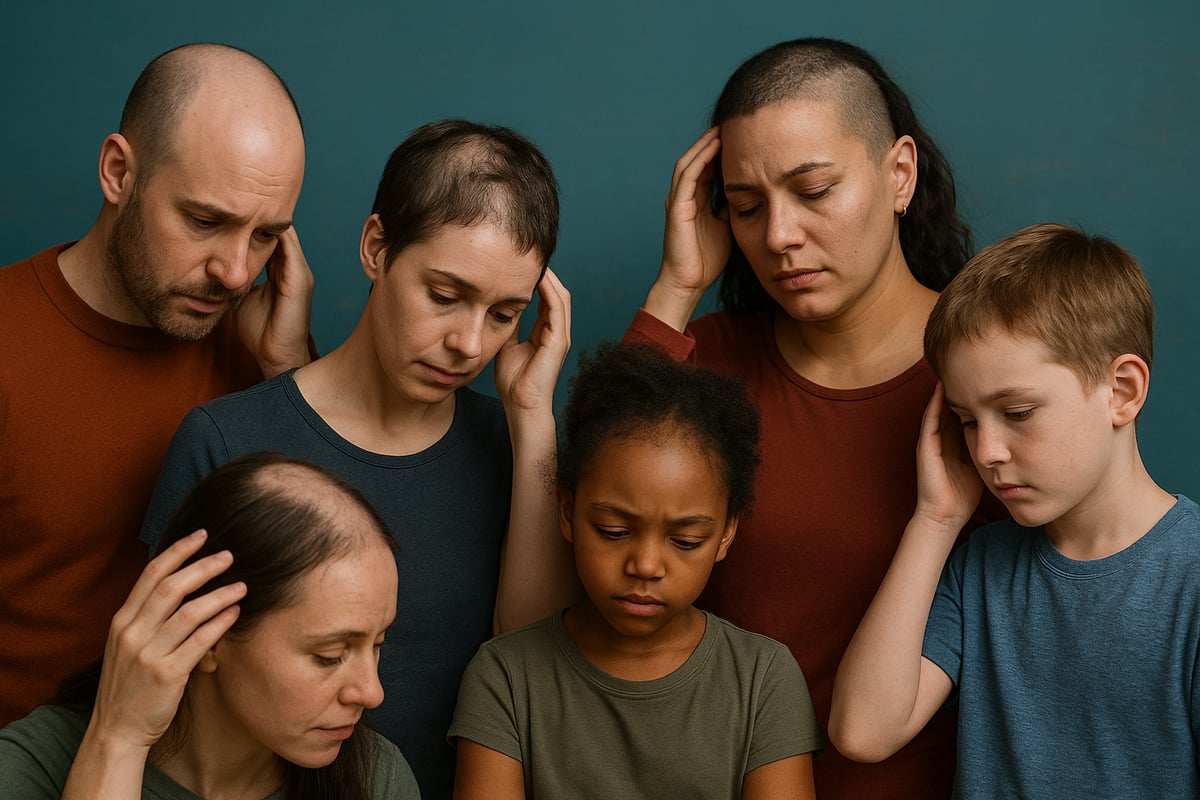
What is Hair Alopecia?
Hair alopecia refers to conditions that specifically cause abnormal hair loss, either in patches or across larger areas. This differs from typical hair shedding, which is part of the natural growth cycle. Globally, millions are affected by hair alopecia, with alopecia areata alone impacting up to 2% of people. In the UK, cases are rising, and the emotional toll can be just as profound as the physical symptoms. People with hair alopecia often face anxiety or social discomfort, showing that the effects reach far beyond appearance.
Main Types of Alopecia
Several main types of hair alopecia exist, each with its unique features. Common forms include:
| Type | Description |
|---|---|
| Alopecia Areata | Patchy, autoimmune |
| Alopecia Totalis | Complete scalp loss |
| Alopecia Universalis | Total body hair loss |
| Androgenetic Alopecia | Male/female pattern baldness |
| Scarring (Cicatricial) | Permanent follicle damage |
| Traction Alopecia | Caused by hairstyle practices |
Alopecia areata is one of the most widely recognised, often discussed in resources like Understanding alopecia areata. Each type of hair alopecia may require different approaches, making awareness and accurate diagnosis crucial.
Alopecia Across Ages and Genders
Hair alopecia does not discriminate, affecting children, adults, men, women, and trans individuals. However, the way it presents can differ. For instance, children may develop sudden patchy loss, while androgenetic alopecia is more common in men as gradual thinning. Black women often face traction alopecia due to certain hairstyles. Trans individuals may encounter unique challenges linked to hormonal changes or treatments. Recognising how hair alopecia varies ensures support and solutions are inclusive and compassionate.
The Emotional and Social Impact
Living with hair alopecia can be an emotional journey. Many experience anxiety, depression, or a reluctance to engage socially. Studies show up to 40% of women with hair alopecia report significant psychological distress. Thankfully, support networks and advocacy groups offer understanding, resources, and a sense of community. Reaching out for help, whether through friends, healthcare professionals, or dedicated charities, can make a vital difference in navigating the effects of hair alopecia.
Causes and Risk Factors of Hair Alopecia
Understanding why hair alopecia develops can be both overwhelming and emotional. Many factors, from your genes to your daily habits, play a role in triggering or worsening hair loss. Let’s break down the main causes and risk factors, giving you clarity and hope for your journey.
Genetic and Hereditary Factors
Genetics form a significant foundation for hair alopecia. If someone in your family has experienced hair loss, your own risk increases. Scientists have identified specific genes linked to both alopecia areata and androgenetic alopecia, showing how deeply our DNA can influence hair health.
For example, studies on identical twins reveal that if one twin develops hair alopecia, the other is much more likely to be affected too. This strong genetic link means that even with perfect hair care, some people are still predisposed. However, having a family history does not guarantee you will develop hair alopecia, but it does increase the chances.
Autoimmune and Medical Causes
Autoimmune conditions are a leading cause of hair alopecia, especially in forms like alopecia areata. Here, the immune system mistakenly attacks hair follicles, causing patchy or widespread hair loss. Medical research shows that these autoimmune attacks are often associated with other conditions such as thyroid disease, vitiligo, and lupus.
Interestingly, about 20 percent of people with alopecia areata have a close family member with an autoimmune disorder. This overlap suggests a shared underlying vulnerability. Recognising these links can help you and your healthcare provider spot early signs of hair alopecia and associated health issues.
Hormonal and Endocrine Influences
Hormones play a pivotal role in hair alopecia, particularly in pattern baldness. Androgens, which are more prominent in men but present in everyone, can shrink hair follicles and slow regrowth. Life events like pregnancy, menopause, or conditions such as polycystic ovary syndrome (PCOS) can disrupt hormonal balance and trigger hair shedding.
For instance, many women notice increased hair alopecia after giving birth, a phenomenon known as postpartum hair loss. While usually temporary, these hormonal shifts can be distressing and unpredictable, emphasising the need for personalised support and understanding.
Environmental and Lifestyle Triggers
Everyday factors can also spark or worsen hair alopecia. High stress, trauma, poor diet, or rapid weight loss can all impact hair growth. Hair care routines matter too. Tight hairstyles, frequent use of heat tools, and harsh chemical treatments can damage follicles over time.
Did you know that traction alopecia is particularly common among African-Caribbean women because of certain styling practices? In fact, studies show it affects around 31.7 percent of women in this group. By understanding these triggers, you can take practical steps to protect your hair and reduce the risk of hair alopecia.
Medications and Treatments
Certain medications are well-known culprits in causing hair alopecia. Chemotherapy and radiation often lead to noticeable, sometimes sudden, hair loss. Other drugs, like antidepressants and beta-blockers, may also contribute, though the effect is usually reversible once treatment ends.
For example, up to 65 percent of people undergoing chemotherapy experience hair alopecia. The impact can be temporary or, in rare cases, permanent. If you are concerned about your risk or want to explore solutions, you can find an in-depth look at the causes and treatments for alopecia to help guide your next steps.
Diagnosing Alopecia: What to Expect
Facing the possibility of hair alopecia can be overwhelming, but understanding the diagnostic process helps you take control. Early diagnosis is crucial for effective treatment and peace of mind. Here’s what you can expect at every stage, from the first signs to specialist support.
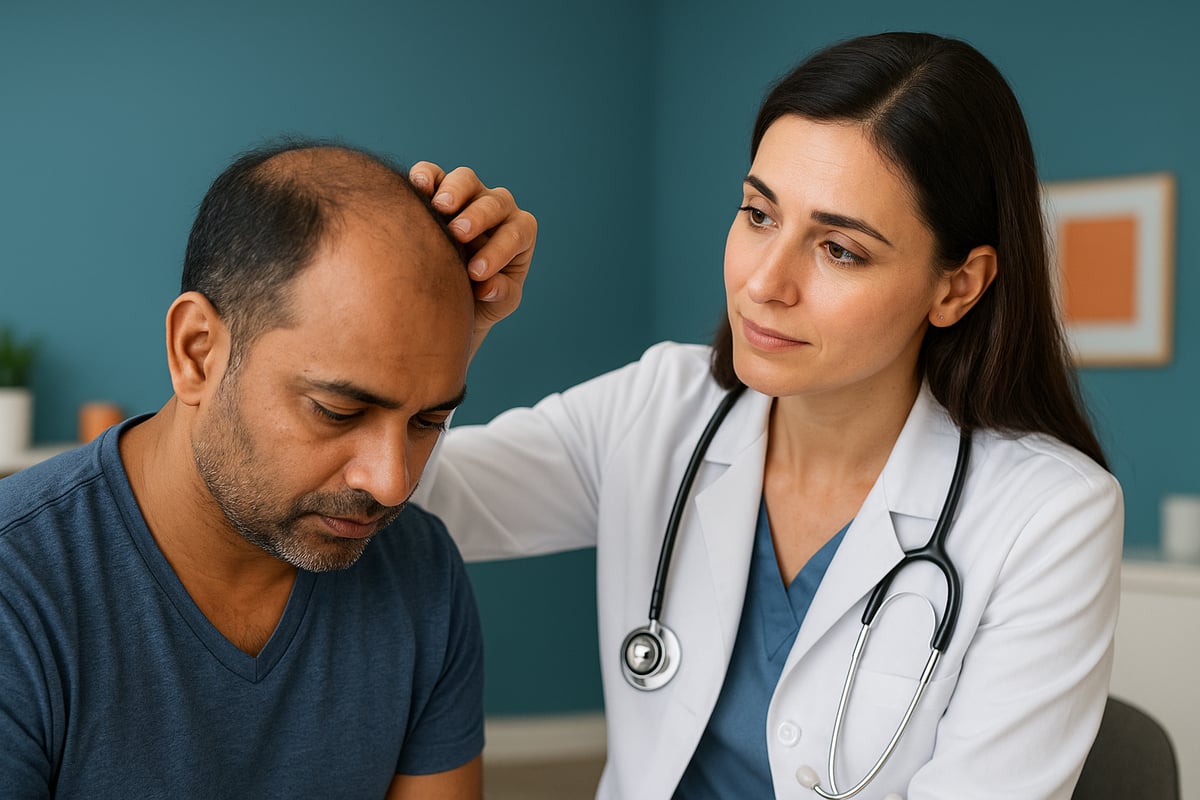
Recognising Early Signs and Symptoms
Spotting the first clues of hair alopecia is the first step. You might notice small, round patches of hair missing, or your hair may seem to thin out more than usual. Sudden shedding, especially when washing or brushing, can be alarming.
Pay attention to your nails as well. Pitting, ridges, or changes in colour can sometimes appear alongside hair alopecia. Some people experience itching, burning, or tenderness on their scalp, which can signal underlying inflammation. If you notice these changes, don’t ignore them. Early recognition means you can seek help sooner.
Clinical Examination and Medical History
When you visit a doctor for hair alopecia, they’ll start with a gentle but thorough scalp inspection. Using a dermatoscope, they look closely at hair follicles and scalp health. You may be asked to describe when you first noticed changes, if anyone in your family has experienced hair alopecia, and about recent illnesses or stress.
Pull tests, where the doctor gently tugs on small sections of hair, help determine how much hair is being lost. Providing a full medical and family history is vital, as it guides the next steps and helps the doctor pinpoint the type and cause of your hair alopecia.
Laboratory and Diagnostic Tests
To get a clearer picture, your doctor may order blood tests. These check for thyroid problems, iron levels, and markers of autoimmune conditions often linked to hair alopecia. Sometimes, a small scalp biopsy is needed to examine hair follicles under a microscope.
Other possible tests might rule out fungal infections or nutritional deficiencies. These investigations help confirm the diagnosis, distinguish between types of hair alopecia, and rule out other treatable causes.
When to Seek Specialist Help
If you notice rapid hair loss, scarring, or symptoms like fever or joint pain, it’s time to see a specialist. Your GP can refer you to a dermatologist with expertise in hair alopecia. Red flags include hair loss accompanied by pain, skin changes, or systemic symptoms.
The NHS provides pathways for diagnosis and support, while patient advocacy groups can offer guidance and community. Remember, seeking help early for hair alopecia means more options and better outcomes.
Current and Emerging Treatment Options for Hair Alopecia
Navigating treatment for hair alopecia can feel overwhelming, but new options are giving hope to many. Whether you are newly diagnosed or have been managing hair alopecia for years, understanding the latest therapies and support can make a real difference. This section covers medical treatments, non-surgical interventions, surgical methods, cosmetic solutions, mental health support, expectations, and a spotlight on Optima Hair Specialists.
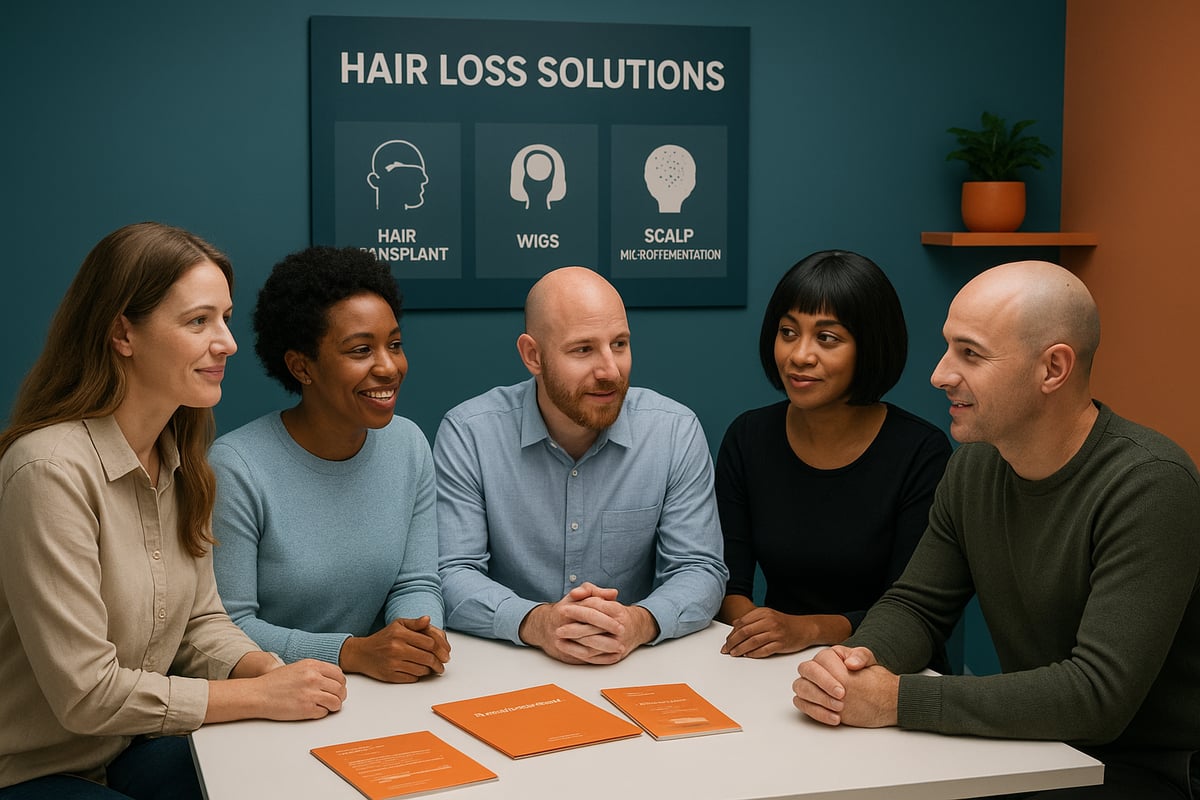
Medical and Pharmaceutical Treatments
For many, medical treatments are the frontline defence against hair alopecia. Topical corticosteroids remain a first step, especially for patchy types. Minoxidil, available over the counter, helps slow shedding and encourages regrowth in some cases. Anthralin creams are also used, particularly for scalp involvement.
Oral medications, such as corticosteroids and JAK inhibitors like baricitinib and ritlecitinib, have shown promise in clinical trials. Immunotherapy agents like diphencyprone (DPCP) are used for resistant forms. Recent years have seen new drug approvals and growing research into targeted therapies. If you want practical advice on slowing or stopping hair loss, the guide How to slow, stop, or cure alopecia offers valuable insights.
| Treatment Type | Example Drugs | Typical Use |
|---|---|---|
| Topical | Corticosteroids, minoxidil | Patchy or early hair alopecia |
| Oral | JAK inhibitors, steroids | Severe or resistant cases |
| Immunotherapy | DPCP | Persistent, widespread hair alopecia |
Non-Surgical Interventions and Therapies
Many people with hair alopecia seek non-surgical options, especially if medical treatments are ineffective or unsuitable. Platelet-rich plasma (PRP) therapy uses your own blood, processed and injected into the scalp to stimulate follicles. Results vary, but some find improved thickness and reduced shedding.
Low-level laser therapy (LLLT) is another non-invasive approach. Special combs, caps, or panels emit light to energise cells and promote regrowth. Microneedling, sometimes combined with growth factors, is gaining popularity for its potential to boost absorption of topical treatments. While not a cure, these therapies can be part of a broader hair alopecia management plan.
Surgical Options: Hair Transplantation
For some types of hair alopecia, particularly androgenetic (pattern) baldness, hair transplantation offers a long-term solution. Follicular unit extraction (FUE) and follicular unit transplantation (FUT) are the main techniques. Healthy hair follicles are taken from donor areas and implanted where needed.
Candidacy depends on the cause of hair alopecia. Those with scarring or active autoimmune types may not benefit as much. Recovery times are generally short, but risks include infection, scarring, or uneven results. Many find restored confidence after a successful transplant, making it a valuable option for suitable candidates.
Cosmetic and Camouflage Solutions
Living with hair alopecia does not mean giving up on feeling confident. Many turn to wigs, hairpieces, and toppers for instant coverage. Modern materials create natural looks, and fitting services ensure comfort. Scalp micropigmentation and cosmetic tattooing offer semi-permanent options, visually thickening hairlines or filling patches.
In the UK, NHS wig prescriptions are available for eligible patients. The process involves a referral from your GP or dermatologist and a fitting appointment. These solutions are not just about looks—they help people with hair alopecia reclaim their self-esteem and independence.
- Wigs (synthetic or human hair)
- Hairpieces and toppers
- Scalp micropigmentation
- Cosmetic tattooing
Psychological Support and Counselling
Hair alopecia can impact mental health as much as appearance. Supportive therapies like cognitive behavioural therapy (CBT) help address anxiety, depression, or social withdrawal. Many benefit from sharing experiences in support groups, both in person and online.
Charities such as Alopecia UK and the Little Princess Trust offer resources, helplines, and community events. Counselling services provide a safe space to process emotions. Remember, hair alopecia is not just a physical condition—emotional wellbeing matters just as much as any treatment.
Managing Expectations and Treatment Outcomes
Setting realistic goals is crucial when managing hair alopecia. Success rates differ depending on the type and cause. For example, androgenetic hair alopecia often responds well to transplants or medication, while scarring types may have limited regrowth.
Visible improvement might take months, and not all treatments work for everyone. Discussing expected timelines and limitations with your clinician helps avoid disappointment. Keeping a treatment diary and taking photos can track progress and celebrate small wins along the way.
| Alopecia Type | Typical Success Rate | Timeframe for Results |
|---|---|---|
| Androgenetic | Moderate to high | 3–12 months |
| Alopecia areata | Variable | 1–6 months (if at all) |
| Scarring (cicatricial) | Low | Often permanent |
Optima Hair Specialists: Non-Surgical Hair Loss Solutions
Optima Hair Specialists provides bespoke, non-surgical solutions for people experiencing hair alopecia. Founded by someone who has personally faced hair loss, their team understands the emotional journey and offers empathy at every step.
Services include custom-made hair systems, advanced laser therapy, and scalp micropigmentation. Consultations are discreet and pressure-free, designed for men, women, and trans clients alike. Optima’s support continues long after your first visit, with ongoing care and advice.
They have built a national reputation for excellence and actively support hair loss charities. Booking a free consultation is simple—you will discuss your goals, explore options, and leave feeling empowered to manage your hair alopecia with confidence.
Everyday Management and Prevention Strategies
Managing hair alopecia every day can feel daunting, but small, consistent changes really do make a difference. By focusing on gentle routines, nourishing your body, and seeking support, you can protect your hair and emotional well-being. Here are practical strategies to help you take control and feel empowered.
Healthy Hair and Scalp Care
Gentle care is the cornerstone of managing hair alopecia. Choose mild, sulphate-free shampoos and avoid overwashing, which can strip the scalp of natural oils. Pat your hair dry with a soft towel rather than rubbing to prevent breakage.
For those with textured or curly hair, opt for wide-tooth combs and protective hairstyles such as loose braids or buns. Regular scalp massages, using fingertips or a soft brush, can boost circulation and promote a healthy environment for hair growth.
Take time to learn what works best for your unique hair type. A gentle routine not only helps protect fragile hair but also builds a sense of self-care and control.
Nutrition and Lifestyle Factors
Nourishing your body is vital when dealing with hair alopecia. Essential nutrients like iron, vitamin D, zinc, and protein support hair follicle health. Include leafy greens, eggs, nuts, and oily fish in your diet for a balanced nutrient intake.
Staying hydrated and making time for quality sleep can also benefit your overall well-being. Chronic stress may worsen hair loss, so try relaxation techniques such as deep breathing, gentle exercise, or mindfulness.
Remember, small lifestyle shifts can have a big impact over time. Making conscious choices about what you eat and how you live can help support your hair and your confidence.
Reducing Triggers and Preventing Further Loss
Proactively managing triggers is key for anyone experiencing hair alopecia. Try to reduce both physical and emotional stress where possible. If you style your hair, avoid tight ponytails, braids, or buns that can cause traction and further loss.
Be cautious with heat styling tools and harsh chemical treatments. If you notice increased shedding or scalp discomfort, speak to a healthcare professional early. Early intervention can stop progression and protect existing hair.
Identifying and addressing underlying medical causes, such as thyroid issues or nutritional deficiencies, is equally important. Prevention starts with gentle habits and quick responses to changes.
Support Networks and Advocacy
You are not alone in your journey with hair alopecia. Connecting with local or online support groups can offer encouragement and practical advice. Patient advocacy organisations provide resources, helplines, and opportunities to share experiences.
Education is empowering. The more you understand about hair alopecia, the more confident you will feel in making informed decisions. Peer support helps many people feel seen, heard, and less isolated.
Reach out for help when you need it, and consider becoming an advocate for others. Together, we can break stigma and build a supportive community.
Future Directions and Innovations in Alopecia Care
The future of hair alopecia care is brighter than ever. New discoveries, therapies, and approaches are transforming the way we understand and manage this condition. Let’s explore the most exciting directions shaping hair alopecia support in 2026 and beyond.
Advances in Medical Research and Genetics
Breakthroughs in genetic research are unlocking new possibilities for hair alopecia. Scientists have identified dozens of genes linked to alopecia areata, paving the way for personalising treatment and even prevention. International clinical trials are now exploring how gene therapy may target the roots of hair loss at a molecular level.
Personalised medicine is becoming a reality. By understanding each person’s genetic profile, doctors can tailor interventions more precisely. For those affected by hair alopecia, this means more targeted and potentially effective options on the horizon.
For a deeper look into these advances, see Recent advances in alopecia genetics, which highlights the latest genetic discoveries and their clinical promise.
New Therapies and Drug Developments
The pipeline for new hair alopecia treatments is robust. JAK inhibitors, such as baricitinib and ritlecitinib, are showing positive results in clinical trials, offering hope for those with stubborn or severe cases. Stem cell therapies and regenerative medicine are also advancing, aiming to restore healthy follicles and stimulate natural regrowth.
Market analysts predict rapid growth in the sector, with innovative therapies driving change. For more on where the industry is heading, check out Alopecia market trends and forecasts, which covers future projections and the latest market drivers.
These developments give the hair alopecia community renewed optimism for effective, long-term solutions.
Digital Health and Telemedicine
Technology is making hair alopecia care more accessible. Digital scalp analysis, remote consultations, and smartphone apps now help people monitor progress and communicate with experts from home. The NHS and private clinics are expanding teledermatology services, reducing wait times and barriers to specialist care.
Mobile apps can track hair loss patterns, flag early changes, and even remind users about treatment routines. For busy lives or those far from clinics, these digital advances are a game changer in hair alopecia support.
Inclusive and Diverse Approaches to Care
Care for hair alopecia is becoming more inclusive and culturally sensitive. Programmes now address the specific needs of ethnic minorities, children, and trans individuals, recognising the unique patterns and emotional challenges they face.
For example, traction alopecia prevention initiatives are partnering with local communities to educate about hair care practices. Clinics are training staff to offer gender-affirming support and age-appropriate guidance. This shift ensures that everyone living with hair alopecia feels respected, understood, and empowered.
Personalised and Holistic Treatment Pathways
A holistic approach is now central to hair alopecia care. Multidisciplinary clinics bring together dermatologists, psychologists, cosmetic specialists, and nutritionists to create bespoke plans. Treatment is tailored not just to medical needs, but also to lifestyle, goals, and emotional well-being.
This personalised pathway might include a mix of medication, nutritional guidance, cosmetic solutions, and mental health support. By considering the whole person, not just their hair, clinics help individuals with hair alopecia regain confidence and control.
The Role of Public Awareness and Advocacy
Raising awareness is vital in shaping the future of hair alopecia care. Campaigns are reducing stigma, promoting early intervention, and encouraging funding for research. Charities and patient groups are leading the charge, providing platforms for sharing stories, resources, and support.
Anyone can make a difference. Getting involved with advocacy, joining support networks, or simply talking openly can help others feel less alone. As public understanding grows, so does the hope for better care and outcomes for everyone facing hair alopecia.
If you’ve read this far, you’ll know that hair loss isn’t just about what you see in the mirror—it affects how you feel every day. You deserve support that’s understanding and truly personalised, from people who genuinely get it. At Optima Hair Specialists, you’re welcomed into a caring, judgement-free space where your story matters, and all options are explored together. Whether you’re just starting to notice changes or you’ve been searching for answers for years, you don’t have to face this alone. If you’re ready to take the next step, you can Book a Free Consultation and start your journey to feeling like yourself again.
