Facing hair thinning can feel isolating, but you are not alone. With the right knowledge and support, you can regain confidence and take back control of your hair health in 2026.
This guide brings you the latest expert advice and breakthrough therapies in hair thinning therapy. Here, you will find practical steps tailored for today’s evolving world.
Discover the real causes of thinning, explore cutting-edge treatments, learn step-by-step strategies, and get expert tips for lasting results. Let’s start your journey towards stronger, healthier hair together.
Understanding Hair Thinning: Causes and Early Signs
Facing the reality of hair thinning can feel daunting, but understanding why it happens is the first step toward regaining confidence. If you’re considering hair thinning therapy, knowing the science and early signs can help you make informed choices and take control of your hair health.
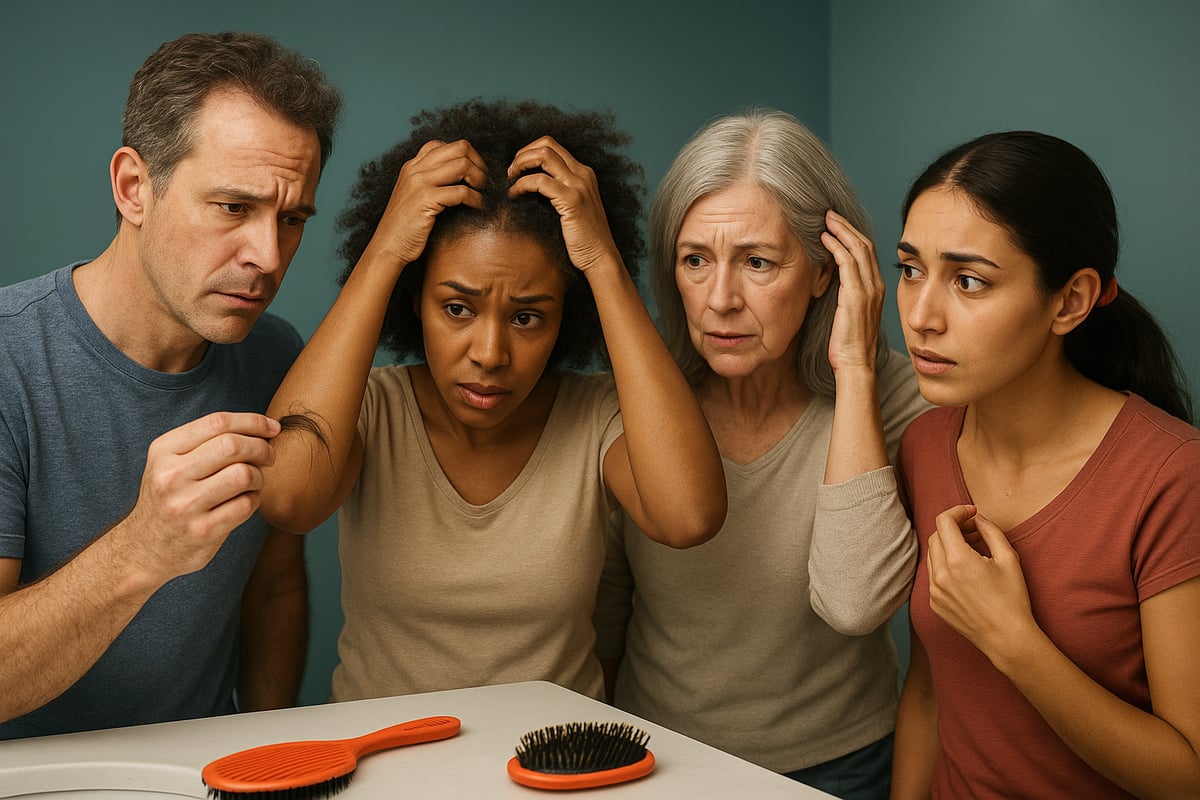
Normal shedding is part of this process, but hair thinning is different. It happens when more hairs enter the resting phase or the follicles shrink, producing finer, weaker strands. Genetics, hormones, and environmental stressors all play a part.
Age and gender also shape your experience. Men and women tend to show different patterns, and changes often become more noticeable with time. Understanding these basics is vital before exploring hair thinning therapy options.
Common Causes of Hair Thinning
There are many triggers for hair thinning, so finding the right hair thinning therapy starts with identifying the cause. The most common include:
- Androgenetic alopecia: Often called male or female pattern baldness, this is driven by genetics and hormones.
- Telogen effluvium: Stress, illness, or medication can push more hairs into the resting phase, leading to diffuse shedding.
- Nutritional deficiencies: Low iron, vitamin D, and other nutrients can weaken hair.
- Autoimmune conditions: Disorders like alopecia areata prompt the body to attack hair follicles.
- Over-styling and harsh treatments: Frequent use of heat, tight hairstyles, or chemicals can damage hair structure.
If you want a deeper look at these factors and how to address them, explore this helpful guide on the causes and treatments for thinning hair.
Early Warning Signs to Watch For
Early detection makes a real difference in the effectiveness of hair thinning therapy. Watch for these signs:
- Gradual widening of your part or a receding hairline.
- Noticeable reduction in ponytail thickness.
- More hair on your pillow, in your brush, or in the shower drain.
- Increased scalp visibility in certain areas.
- Hairs appearing finer or shorter, known as miniaturisation.
Catching these changes early gives you more options and better outcomes with hair thinning therapy.
Key Statistics and Facts
Hair thinning is more common than many realise. According to the British Association of Dermatologists, up to 50% of men and 40% of women in the UK experience significant thinning by age 50. Recent research links post-pandemic stress to a 20% rise in telogen effluvium cases.
Here’s a quick summary:
| Statistic | Details |
|---|---|
| Men affected by 50 | 50% |
| Women affected by 50 | 40% |
| Rise in telogen effluvium post-pandemic | 20% |
These facts highlight the importance of early intervention and choosing the right hair thinning therapy for your needs.
Latest Hair Thinning Therapies in 2026: What Works?
Choosing the right hair thinning therapy in 2026 can feel like navigating a maze, but the good news is that treatments have advanced rapidly. With so many options, it’s easier than ever to find a therapy that fits your needs, lifestyle, and hair goals.
Medical Treatments: Prescription and Over-the-Counter
Medical options for hair thinning therapy have evolved, offering fresh hope for those experiencing hair loss. Minoxidil remains a cornerstone, now available in advanced formulations that enhance absorption and reduce irritation. Finasteride continues to be a go-to for men, with updated studies showing improved efficacy and fewer side effects when used in micro-dosing.
For women, new topical agents like spironolactone and clascoterone are gaining traction, offering targeted results with improved safety. Oral medications and hormone modulators are prescribed more precisely, thanks to genetic screening. Always consult a professional before starting any medical hair thinning therapy, as personalised advice ensures the best outcome.
Non-Surgical Clinical Therapies
Non-surgical options are rapidly gaining popularity in the world of hair thinning therapy. Low-level laser therapy (LLLT) stands out, with both in-clinic and at-home devices showing a 65% improvement in hair density for many users. Platelet-rich plasma (PRP) injections, using your own blood’s growth factors, have seen refined protocols and increased patient satisfaction.
Microneedling, often combined with topical treatments, boosts scalp health and product penetration. Interested in learning more about these options? This guide to laser therapy for hair growth offers in-depth insights on how LLLT works, what to expect, and who benefits most from this innovative hair thinning therapy.
Advanced Cosmetic Solutions
For those seeking immediate results or extra coverage, cosmetic advancements in hair thinning therapy have reached new heights. Modern hair systems and wigs now offer unmatched breathability and a natural look, making them indistinguishable from real hair. Scalp micropigmentation provides the illusion of density, especially for those with thinning crowns or receding hairlines.
Innovative hair fibres and camouflage products for 2026 cling better, resist humidity, and blend seamlessly for both men and women. These solutions empower you to feel confident, whether you’re waiting for medical therapies to work or want an instant boost.
Natural and Holistic Approaches
Natural and holistic options play a vital role in a comprehensive hair thinning therapy plan. Nutritional support is key, with biotin, iron, vitamin D, and omega-3s proven to support healthy hair growth. Adaptogens are being studied for their impact on stress-related hair loss, and early results are promising.
Daily scalp massage, essential oils like rosemary, and stress management techniques can complement medical therapies. Trichology-led regimens, which combine science with holistic care, are showing measurable results in clinical settings. Balancing these approaches helps you support your hair from the inside out.
Comparative Effectiveness and Safety Data
Understanding which hair thinning therapy works best can feel overwhelming, but recent data makes it easier to compare your options. Here’s a quick overview:
| Therapy | Success Rate | Key Benefits | Main Risks/Side Effects |
|---|---|---|---|
| Minoxidil | 60-70% | Regrowth, easy use | Scalp irritation |
| Finasteride | 55-65% | Slows loss, regrowth | Sexual side effects (rare) |
| LLLT | 65% | Non-invasive, safe | Temporary scalp redness |
| PRP | 70% | Natural, no drugs | Bruising, mild discomfort |
| Wigs/Hair Systems | Instant | Immediate coverage | Maintenance, cost |
| Scalp Micropigmentation | Instant | Density illusion | Fading, touch-ups needed |
| Supplements | 40-50% | Supports growth | Rare, with overdosing |
It’s essential to weigh the effectiveness and safety of each hair thinning therapy with your personal needs and health profile. Consulting a specialist ensures you choose the right path for your unique situation.
Step-by-Step Guide: Creating a Personalised Hair Thinning Therapy Plan
Facing hair thinning can feel isolating, but creating a tailored plan gives you back a sense of control. A step-by-step approach helps you navigate the maze of options, ensuring your hair thinning therapy is effective, safe, and suited to your unique needs.

A thorough assessment may include digital scalp imaging, blood tests, and even genetic screening. These tools help pinpoint the type and cause of your hair thinning. Is it hormonal, nutritional, or related to stress or medication? Getting a clear diagnosis is essential for crafting the best hair thinning therapy for you.
Step 2: Setting Realistic Goals
After diagnosis, it’s time to set expectations. Are you hoping for regrowth, or is stabilisation your main aim? Being honest about what’s achievable will protect you from disappointment and help you measure progress.
Most therapies need time to show results. It’s common to see changes at three, six, or twelve months. Write down your goals and revisit them regularly. This step grounds your hair thinning therapy in reality, making every little win feel meaningful.
Step 3: Selecting the Right Therapies
With your goals in mind, you can now choose treatments that match your diagnosis and lifestyle. Some people need medical options, while others benefit from non-surgical or holistic routes.
Here’s a simple comparison of common therapies:
| Therapy Type | Best For | Convenience | Cost |
|---|---|---|---|
| Minoxidil/Finasteride | Pattern hair loss | Daily use | Moderate |
| LLLT (Laser) | Density improvement | At home/Clinic | Moderate/High |
| PRP Injections | Early to moderate thinning | Clinic only | High |
| Nutritional Supplements | Deficiency-related loss | Daily use | Low |
Combining treatments often boosts results. For a deeper dive into effective options, especially for women, see this Effective hair loss treatments for women over 40 guide.
Step 4: Ongoing Monitoring and Adjustment
Tracking progress is vital. Take monthly photos of your scalp, measure hair density, and note how you feel. Small changes can signal big improvements over time.
If your hair thinning therapy isn’t delivering as hoped, don’t give up. Consult your specialist to tweak your plan—sometimes switching products or adding a new therapy makes all the difference. Remember, hair responds slowly, and patience is your friend.
Step 5: Maintenance and Long-Term Care
Once you see results, maintaining them becomes your focus. Stick to your routine, schedule regular check-ups, and keep an eye on your nutrition and stress levels.
Relapses can happen if you stop treatment too soon or neglect self-care. Long-term hair thinning therapy may include ongoing topical use, scalp massages, or even cosmetic enhancements like hair systems or scalp micropigmentation. Prevention and consistency are key.
Real-World Example
Let’s look at a practical success story. Sarah, a 35-year-old woman, faced diffuse hair thinning after a stressful year. She started with a thorough assessment, then set a goal for visible regrowth. Her plan combined LLLT, topical minoxidil, and iron supplements.
Over nine months, she saw a 30 percent increase in hair density. Regular monitoring and small adjustments kept her hair thinning therapy on track. Today, Sarah maintains her results with continued care and regular professional support.
Expert Tips for Maximising Hair Health in 2026
Taking charge of your hair health is more than just following trends. It is about building daily routines and mindsets that support you through every stage of your hair thinning therapy journey. Here, you will find actionable tips and compassionate advice for nurturing your hair— and your wellbeing — in 2026.

- Wash your hair with sulphate-free, strengthening shampoos
- Detangle using a wide-tooth comb, starting at the ends
- Avoid excessive brushing or harsh towel drying
Incorporating scalp hygiene and regular exfoliation removes buildup and encourages a healthy environment for hair growth. Remember, small changes can have a huge impact on your hair thinning therapy results over time.
Lifestyle Factors
Your lifestyle habits are just as important as your hair products. Sleep, stress, and physical activity all play a role in successful hair thinning therapy. Aim for seven to eight hours of restful sleep each night to support your body’s repair cycle.
Chronic stress can disrupt the hair growth cycle, so try mindfulness, yoga, or even a daily walk. Exercise boosts circulation, delivering nutrients to your scalp and supporting hair thinning therapy outcomes.
Diet and Supplementation
What you eat fuels your hair from the inside out. Prioritise protein-rich meals, as hair is made of keratin, a protein. Include sources of zinc, iron, and vitamin D in your diet, as these nutrients are vital for hair thinning therapy success.
Supplements can be helpful, but choose evidence-based options. Look for biotin and omega-3s if you have a deficiency, and always consult your GP before starting new supplements. Remember, no supplement can replace a balanced diet.
Avoiding Common Pitfalls
Many people unintentionally sabotage their hair thinning therapy with daily habits. Overusing heat tools, applying harsh chemicals, or tight hairstyles can all cause damage.
To protect your progress:
- Limit heat styling and chemical treatments
- Opt for loose hairstyles to prevent traction alopecia
- Watch for signs of breakage or scalp irritation
If you notice consistent problems, pause and reassess your routine. Prevention is always better than cure when it comes to hair thinning therapy.
Psychological Wellbeing
Hair thinning therapy can be an emotional journey. It is normal to feel anxious or self-conscious about changes in your appearance. Prioritise your mental health alongside your physical care.
Try connecting with support groups or speaking with a professional counsellor. Sharing your experiences and learning coping strategies can help you maintain a positive outlook. Remember, you are not alone in your hair thinning therapy journey.
Expert Perspectives
Top UK trichologists and dermatologists agree: a holistic approach is essential for long-term success with hair thinning therapy. As the Hair loss statistics 2025 reveal, hair thinning is more common than many realise and expert guidance can make all the difference.
Experts recommend regular check-ups, honest conversations about your goals, and patience. Results take time, but with the right support, you can achieve healthier, fuller hair and renewed confidence.
Innovative Trends and Future Directions in Hair Thinning Therapy
Looking ahead to 2026, the world of hair thinning therapy is evolving at an incredible pace. New breakthroughs, smarter technology, and a growing focus on sustainability are giving hope to millions. Whether you are just starting your journey or seeking the latest options, knowing what is on the horizon can help you make empowered choices.
Emerging Therapies on the Horizon
The next era of hair thinning therapy is being shaped by revolutionary science. Stem cell and exosome-based treatments are showing promise in restoring hair follicles, with several 2026 clinical trials reporting early positive results. Genetic editing is another emerging field, offering the possibility of tailored solutions that address the root causes of hair loss at the DNA level.
If you are keen to learn more about these advances, you can read about emerging hair loss treatments expected to make headlines in 2026. As these cutting-edge options move from lab to clinic, the future of hair thinning therapy looks brighter than ever.
Technological Advances
Technology is rapidly transforming hair thinning therapy, making it smarter and more accessible. AI-powered scalp analysis tools now provide precise, real-time assessments, helping experts create truly personalised treatment plans. Smart devices, from at-home laser helmets to mobile apps, allow users to track progress and get instant feedback.
These innovations mean that hair thinning therapy is no longer limited to specialist clinics. With digital tools, you can monitor your scalp health and adjust your regimen from the comfort of home, making effective care more inclusive and convenient.
Sustainability and Inclusivity
Sustainability is now a top priority in hair thinning therapy. Eco-friendly hair systems, biodegradable packaging, and cruelty-free products are becoming the norm. Brands are also focusing on inclusivity, developing solutions for all hair types and celebrating diversity.
This shift ensures that everyone can find a hair thinning therapy that aligns with their values and needs. Whether you have curly, straight, or textured hair, the market is responding with products and services that are both ethical and effective.
Market Data and Consumer Trends
The hair thinning therapy market is booming, driven by innovation and rising demand for discreet, non-surgical options. According to the UK hair thinning market outlook, the sector is projected to reach £12bn by 2026.
Consumers are seeking treatments that fit seamlessly into their lifestyles, with a preference for at-home solutions and cosmetic enhancements. This trend is inspiring brands to offer more customisable, user-friendly therapies that empower individuals to take control of their hair health.
What to Watch For
As hair thinning therapy evolves, it is important to stay informed about upcoming regulatory changes, safety standards, and new product launches. Clinical trial results released in 2026 will likely shape which therapies become mainstream.
Keep an eye on innovations such as AI-driven diagnostics and personalised medicine. These advancements could redefine what is possible in hair thinning therapy, giving hope to those who have struggled with hair loss for years.
Choosing the Right Professional Support: What to Look For
Seeking professional support for hair thinning therapy can feel daunting, but choosing the right guidance is a crucial step on your journey. The right expert can make all the difference in how confident and supported you feel as you navigate your options.
Credentials and Experience
When considering hair thinning therapy, the first thing to check is the credentials of your practitioner. Look for board-certified trichologists or dermatologists with proven expertise in hair and scalp health.
Be cautious of anyone offering miracle cures or lacking clear qualifications. Legitimate professionals will always be transparent about their training, experience, and registration with relevant bodies like the Institute of Trichologists or the General Medical Council.
If you feel uncertain, ask for evidence of their success with hair thinning therapy. A reputable expert will be happy to share their experience and patient outcomes.
Clinic Environment and Approach
A supportive environment is essential for effective hair thinning therapy. The best clinics prioritise empathy, privacy, and a tailored approach for each individual. You should feel comfortable discussing concerns without fear of judgment.
Notice how the staff interact with you. Are they attentive and respectful? Do they listen to your needs? Personalised aftercare and ongoing support are key indicators of a clinic committed to your wellbeing.
Consider clinics that offer discreet, welcoming spaces. This can make your hair thinning therapy experience feel more manageable and less overwhelming.
Consultation Process
Your first consultation sets the tone for your entire hair thinning therapy journey. Expect a thorough assessment, including a discussion of your medical history, current symptoms, and lifestyle factors.
A good consultation should include:
| What to Expect | Why It Matters |
|---|---|
| Scalp and hair analysis | Identifies specific issues |
| Blood tests or imaging | Pinpoints medical factors |
| Personalised treatment plan | Matches therapy to your needs |
| Transparent cost discussion | Avoids unexpected expenses |
Prepare questions in advance, such as which hair thinning therapy options are available, how long results may take, and what follow-up care is provided.
Real Client Experiences
Learning from others’ journeys can help you feel less alone in seeking hair thinning therapy. Look for clinics that share genuine testimonials and before-and-after case studies.
You can also check independent review sites and ask for references. Reliable clinics are proud of their client successes and will encourage you to verify their reputation.
If possible, choose a provider with a track record of helping people with situations similar to yours. This increases the likelihood that your hair thinning therapy plan will be tailored and effective.
Optima Hair Specialists: Empathetic, Expert-Led Hair Thinning Solutions
Optima Hair Specialists in Birmingham stand out as a trusted leader in hair thinning therapy. Founded by a hair loss sufferer, Optima offers non-surgical therapies like bespoke hair systems, laser hair growth, and scalp micropigmentation.
Their discreet, empathetic environment welcomes men, women, children, and transgender clients. With over 25 years of experience and national media recognition, Optima is known for its inclusive approach and ongoing support.
If you value compassionate care and expert knowledge, Optima is a strong choice for your hair thinning therapy journey.
If you’re feeling overwhelmed by hair thinning, remember you’re not alone—so many of us have stood where you are now, searching for answers and hope. This guide has walked you through the latest therapies, expert tips, and what’s coming next in 2026, but sometimes the most powerful step is reaching out for personal guidance. At Optima Hair Specialists, you’ll find genuine support from people who truly understand the emotional ups and downs of hair loss. If you’re ready to explore what’s possible for your hair health, why not Book a Free Consultation and take that first step together?