
If you’re experiencing thinning hair or noticing your hairline receding, you’re far from alone. Hair loss affects millions of people worldwide, and the emotional impact can be profound. The good news is that modern technology offers gentle, non-invasive solutions that work with your body’s natural healing processes. Among these options, laser hair restore treatments have emerged as a scientifically validated approach that’s helping people regain not just their hair, but their confidence too. Understanding this technology can help you make informed decisions about your hair restoration journey.
What Is Laser Hair Restore Treatment?
Laser hair restore therapy, also known as low-level laser therapy (LLLT), uses specific wavelengths of light to stimulate hair follicles at the cellular level. Unlike surgical procedures or harsh chemical treatments, this approach is entirely non-invasive and pain-free.
The treatment works by exposing the scalp to red or near-infrared light, typically in the 630-680 nanometer range. This specific wavelength penetrates the scalp tissue and energizes cells within hair follicles, encouraging them to shift from a resting phase back into an active growth phase.
The Science Behind Light Therapy
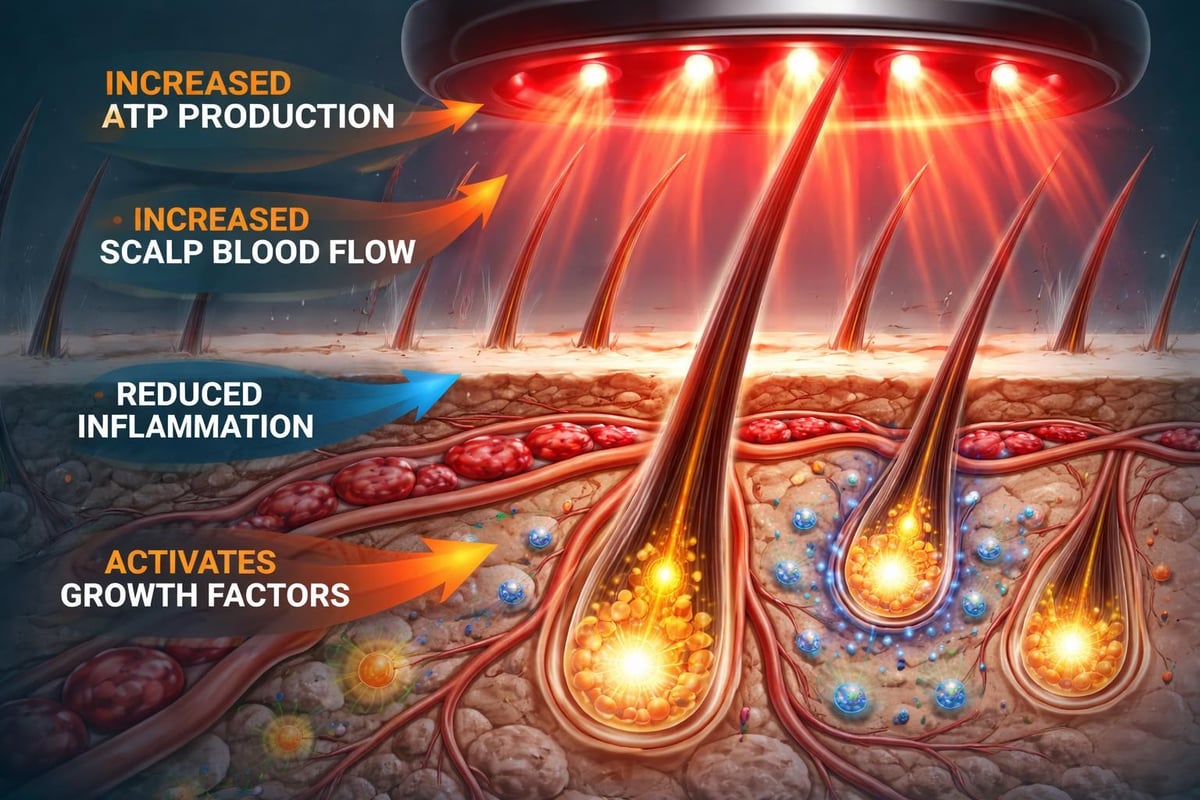
When laser light reaches the follicle cells, it’s absorbed by cellular structures called mitochondria. These are essentially the power plants of your cells. The light energy triggers a series of biological responses:
- Increased ATP production – cells generate more energy for growth
- Enhanced blood circulation – better nutrient delivery to follicles
- Reduced inflammation – creating a healthier scalp environment
- Stimulated growth factors – proteins that signal hair growth
Research published in clinical studies evaluating laser therapy effectiveness demonstrates measurable improvements in hair density and thickness following consistent treatment. The therapy essentially wakes up dormant follicles that have miniaturized over time.
Who Benefits Most from Laser Hair Restore?
Laser hair restore treatments work best for specific types of hair loss. Understanding whether you’re a good candidate helps set realistic expectations and ensures you’re investing your time and resources wisely.
Pattern Hair Loss (Androgenetic Alopecia)
This is the most common form of hair loss, affecting both men and women. It’s characterized by gradual thinning in predictable patterns. According to the International Society of Hair Restoration Surgery’s overview of LLLT, this condition responds particularly well to laser therapy.
Men typically experience recession at the temples and thinning at the crown, while women often see diffuse thinning across the top of the scalp. In both cases, laser hair restore can slow progression and stimulate regrowth.
Early-Stage Hair Loss
The earlier you begin treatment, the better your results tend to be. Follicles that have been dormant for years are harder to revive than those that have recently entered a resting phase.
If you’re noticing:
- Widening part lines
- More hair in your brush than usual
- Visible scalp when styling
- Thinner ponytails or reduced volume
You’re likely in an ideal window for laser hair restore intervention.
| Hair Loss Stage | Treatment Success Rate | Timeframe for Results |
|---|---|---|
| Early thinning | Highest (70-80%) | 3-6 months |
| Moderate loss | Good (50-70%) | 4-8 months |
| Advanced loss | Variable (30-50%) | 6-12 months |
| Complete baldness | Limited | Not recommended |
Conditions That May Not Respond
It’s important to acknowledge that laser hair restore isn’t a universal solution. Conditions like alopecia areata (autoimmune hair loss), scarring alopecias, or hair loss caused by medical treatments may not respond to LLLT. A proper diagnosis is essential before beginning any treatment plan.
The Treatment Experience: What to Expect
Walking into a clinic for the first time can feel daunting, especially when you’re already feeling vulnerable about hair loss. Understanding the process helps ease anxiety and prepares you for success.
Initial Consultation
A thorough consultation is the foundation of effective treatment. At reputable clinics, you’ll discuss your medical history, the pattern and timeline of your hair loss, and your expectations.
The practitioner should examine your scalp, possibly taking photographs and measurements to track progress over time. They’ll explain whether laser hair restore is suitable for your specific situation or if alternative solutions might serve you better.
Treatment Sessions
- Preparation – Your scalp is cleaned to ensure optimal light penetration
- Positioning – You sit comfortably while the laser device is positioned over treatment areas
- Exposure – Treatment typically lasts 15-30 minutes per session
- Frequency – Most protocols recommend 2-3 sessions weekly initially
The experience is completely painless. Most people describe feeling a gentle warmth or no sensation at all. You can read, listen to music, or simply relax during treatment.
Home Devices vs. Professional Treatment
Laser hair restore technology is available in both professional-grade clinic devices and at-home units. While home devices offer convenience, professional treatments typically deliver higher power outputs and more comprehensive coverage.
Professional advantages:
- Higher power density for better penetration
- Supervised treatment ensuring proper technique
- Combination with other therapies when appropriate
- Professional assessment of progress
Home device considerations:
- Lower upfront costs over time
- Convenience of treating on your schedule
- Requires discipline and consistency
- Less powerful than clinical equipment
Evidence-Based Results: What Research Shows
When you’re considering any treatment for hair loss, you deserve to know what science actually supports. Laser hair restore has been studied extensively over the past two decades, with increasingly sophisticated research methodologies.
Clinical Trial Outcomes
A comprehensive 2020 literature review examining LLLT efficacy analyzed multiple randomized controlled trials and found consistent positive outcomes. Participants experienced measurable increases in hair count, hair shaft diameter, and overall coverage.
The studies measured success objectively using:
- Hair counts – number of hairs per square centimeter
- Hair caliber – thickness of individual strands
- Photographic assessment – standardized before/after comparisons
- Patient satisfaction – self-reported improvement ratings
On average, participants saw a 30-40% increase in hair density over six months of consistent treatment. While this might not sound dramatic, it represents significant visual improvement for most people.
Long-Term Safety Profile
One of the most reassuring aspects of laser hair restore is its excellent safety record. The 2016 evidence-based review of LLLT found no significant adverse effects reported in clinical trials.
Unlike pharmaceutical treatments that can cause systemic side effects, or surgical procedures that carry inherent risks, laser therapy works locally with minimal intervention. The most commonly reported “side effect” is temporary mild warmth on the scalp during treatment.
Combining Laser Hair Restore with Other Approaches
Hair restoration rarely follows a one-size-fits-all approach. The most successful outcomes often come from combining complementary treatments that address hair loss from multiple angles.
Pharmaceutical Partnerships
Laser hair restore works well alongside FDA-approved medications like minoxidil and finasteride. While medications work systemically to block DHT (the hormone responsible for pattern hair loss) or stimulate growth through different pathways, laser therapy enhances cellular function and blood flow.
This complementary action can produce better results than either treatment alone. Many people find they can use lower doses of medications when combined with laser therapy, potentially reducing side effects.
Hair Systems and Laser Therapy
If you’re already wearing a hair system or considering one, laser hair restore can still play a valuable role. By maintaining and strengthening your existing hair, laser therapy helps:
- Preserve your natural hair foundation
- Create better blending with hair system edges
- Slow the progression requiring larger systems
- Maintain scalp health beneath the system
Scalp Health Optimization
Healthy hair grows from a healthy scalp. Laser hair restore treatments improve scalp circulation and reduce inflammation, creating optimal conditions for growth. When combined with:
- Proper nutrition and supplements
- Gentle hair care practices
- Stress management
- Adequate sleep
The synergistic effects can be remarkable. Your body’s ability to grow hair depends on multiple factors working together harmoniously.
Realistic Expectations and Timeline
One of the most important conversations about laser hair restore involves setting realistic expectations. Understanding the timeline helps you stay committed during the early months when results aren’t yet visible.
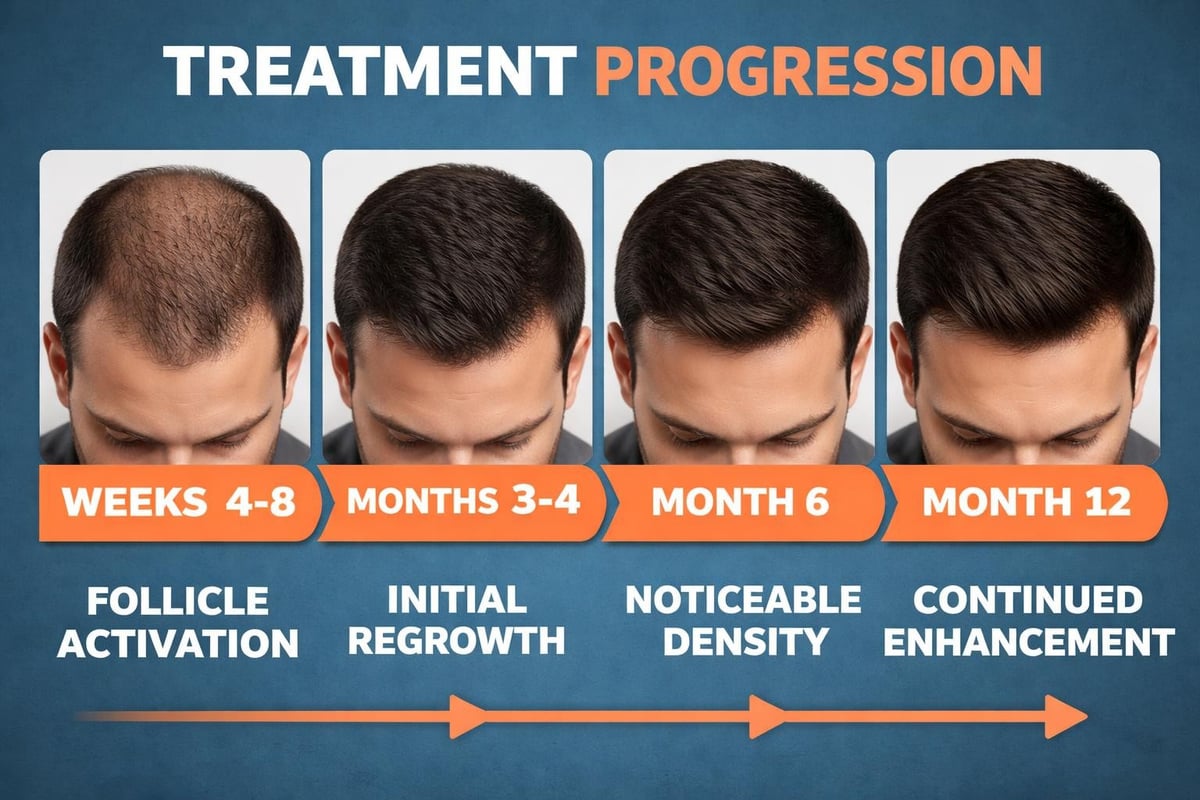
The First Three Months
Initially, you might not see dramatic changes. This can be discouraging, but it’s completely normal. During this phase:
- Follicles are shifting from resting to growing phases
- New hairs are forming beneath the scalp surface
- Existing hairs are strengthening at the root
- Scalp environment is improving
Some people notice reduced shedding as an early sign. This happens because laser therapy helps stabilize follicles that were preparing to release hairs prematurely.
Months Three to Six
This is when most people begin seeing visible results. New hairs emerge, initially fine and soft but gradually thickening. Existing hairs appear fuller and more robust.
Progress photographs become especially valuable during this period. Day-to-day changes are subtle, but monthly comparisons reveal meaningful improvement.
Six Months and Beyond
By six months, results are typically apparent to both you and others. Hair density increases, coverage improves, and styling becomes easier. Many people report feeling more confident and less self-conscious about their hair.
Maintenance treatments help preserve and continue building on these results. Most protocols transition from intensive initial phases to less frequent maintenance sessions.
| Timeline | What’s Happening | What You’ll Notice |
|---|---|---|
| Weeks 1-4 | Cellular activation begins | Little to no visible change |
| Weeks 5-12 | Follicles enter growth phase | Possible reduction in shedding |
| Months 4-6 | New hair emergence | Fine new hairs, increased volume |
| Months 6-12 | Continued density increase | Noticeable coverage improvement |
| 12+ months | Maintenance phase | Sustained results with ongoing care |
The Emotional Journey of Hair Restoration
Hair loss isn’t just a physical change. It affects how you see yourself, how you interact with others, and how you move through the world. Acknowledging these emotional dimensions is crucial to understanding the full value of laser hair restore.
The Psychological Impact of Hair Loss
Many people experiencing hair loss describe feelings of:
- Loss of control – watching your appearance change without your consent
- Premature aging – feeling older than your years
- Reduced attractiveness – questioning your appeal to others
- Social anxiety – worrying about how others perceive you
These feelings are valid and common. Research consistently shows that hair loss significantly impacts quality of life, sometimes as much as serious medical conditions.
Why Non-Invasive Options Matter
Choosing laser hair restore often represents more than selecting a treatment. It’s about finding a solution that aligns with your values and comfort level.
For many people, the non-invasive nature offers emotional benefits:
- No recovery time or visible evidence of treatment
- Gradual, natural-looking improvement
- Ability to maintain privacy about your treatment
- No surgical risks or permanent changes
The treatment feels gentle and supportive rather than aggressive or risky. This emotional comfort contributes to better adherence and ultimately better results.
Building Confidence Through Progress
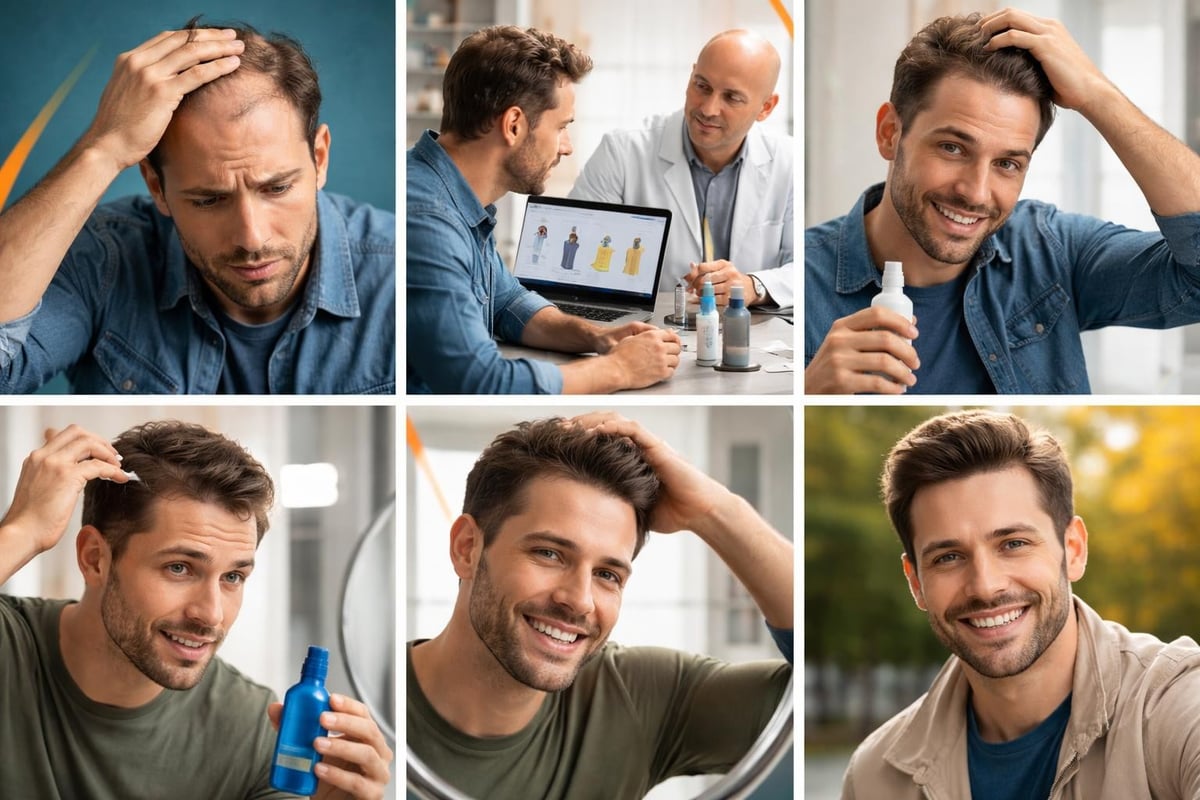
As laser hair restore begins working, many people report feeling a shift not just in their appearance but in their mindset. Each small improvement reinforces that positive change is possible.
Tracking your progress through photographs, measurements, or simply how you feel when you look in the mirror creates momentum. This psychological benefit shouldn’t be underestimated. Feeling better about yourself affects every area of life.
Making an Informed Decision
Deciding whether laser hair restore is right for you involves weighing multiple factors. No one else can make this decision for you, but having the right information empowers you to choose wisely.
Questions to Ask During Consultation
When exploring laser hair restore options, consider asking:
- What specific wavelength and power output does your device use?
- How many treatments will I need, and over what timeframe?
- What results have you seen with patients similar to me?
- Are there before/after photos I can review?
- What happens if I stop treatment after achieving results?
- How does laser therapy integrate with other treatments you offer?
A knowledgeable provider will answer these questions thoroughly and honestly, including acknowledging limitations and individual variability in results.
Cost Considerations
Laser hair restore represents an investment in your appearance and wellbeing. Costs vary significantly based on:
- Treatment location and clinic reputation
- Device quality and technology
- Number of sessions in your protocol
- Whether you choose home devices or professional treatment
While initial costs might seem significant, consider the long-term value. Unlike temporary solutions that require ongoing purchases, laser therapy aims to stimulate your own natural growth. Many people find that investing in their confidence and comfort pays dividends beyond monetary calculations.
Red Flags to Watch For
Unfortunately, some providers make unrealistic promises or use outdated equipment. Be cautious if you encounter:
- Guarantees of specific results or complete regrowth
- Pressure to commit immediately without time to consider
- Unwillingness to discuss limitations or potential non-response
- Devices that seem old or poorly maintained
- Claims that contradict established scientific research
Reputable providers, guided by standards such as those outlined by the American Society for Laser Medicine and Surgery, prioritize patient education and realistic expectations.
Maintaining Your Results
Achieving hair regrowth through laser hair restore is wonderful, but maintaining those results requires ongoing commitment. Understanding the maintenance phase helps you protect your investment.
Transitioning to Maintenance
After the initial intensive treatment phase, most protocols transition to maintenance sessions. This might mean:
- Reducing from three sessions weekly to one or two
- Eventually moving to biweekly or monthly treatments
- Incorporating home device use between professional sessions
The specific maintenance schedule depends on your individual response and the severity of your initial hair loss.
Lifestyle Factors That Support Results
Laser hair restore works best when supported by overall health and wellness practices:
Nutrition essentials:
- Adequate protein for hair structure
- Iron and B vitamins for follicle health
- Omega-3 fatty acids for scalp wellness
- Hydration for cellular function
Stress management:
- Regular exercise
- Sufficient sleep
- Relaxation practices
- Social connection
Hair care practices:
- Gentle cleansing appropriate for your scalp type
- Avoiding excessive heat styling
- Protecting hair from sun damage
- Using products that support scalp health
Recognizing When to Seek Additional Support
Sometimes, despite consistent laser hair restore treatment and healthy lifestyle practices, results plateau or hair loss continues. This doesn’t mean failure. It might indicate:
- Progression of genetic hair loss requiring additional interventions
- Underlying medical conditions needing investigation
- The need for combination therapies
- Transition to complementary solutions like hair systems
Being honest with yourself and your provider about your satisfaction and goals ensures you receive the most appropriate ongoing care. For individuals who might benefit from exploring additional options, consulting with comprehensive hair loss specialists who offer multiple solutions can provide valuable perspective.
The Future of Laser Hair Restore Technology
The field of laser hair restore continues evolving as researchers better understand the mechanisms involved and technology advances. Staying informed about developments helps you make the best choices for your long-term hair health.
Emerging Research Directions
Current research is exploring:
- Optimal wavelength combinations – using multiple light frequencies simultaneously
- Enhanced delivery systems – improving how light penetrates to follicles
- Personalized protocols – tailoring treatment parameters to individual response
- Combination technologies – integrating laser with other modalities
According to recent comprehensive analysis of laser treatments for androgenetic alopecia, ongoing studies continue refining our understanding of how different parameters affect outcomes.
Technology Improvements
Modern laser hair restore devices have improved significantly from early models:
- More consistent power delivery across the treatment area
- Better scalp contact ensuring optimal light transmission
- Quieter, more comfortable equipment
- Integration with progress tracking software
These improvements make treatments more effective and the experience more pleasant.
Accessibility and Awareness
As laser hair restore becomes more established and understood, awareness grows. This benefits everyone experiencing hair loss by:
- Reducing stigma around seeking treatment
- Improving insurance coverage possibilities
- Increasing availability of qualified providers
- Driving competitive pricing
Greater acceptance of hair loss as a treatable condition, rather than something to simply accept, empowers people to explore solutions without shame.
Finding the Right Support
Your hair restoration journey deserves to be supported by professionals who understand not just the science of hair growth, but the emotional experience of hair loss. The right clinic makes all the difference in your outcomes and satisfaction.
What to Look for in a Provider
Beyond technical expertise, consider these qualities:
Empathy and understanding:
- Do they listen to your concerns without rushing?
- Can they relate to the emotional impact of hair loss?
- Do they validate your feelings while offering hope?
Comprehensive approach:
- Do they offer multiple treatment options?
- Can they help if laser therapy alone isn’t sufficient?
- Do they support you in finding the best combination of solutions?
Transparency and honesty:
- Are they upfront about costs and time commitments?
- Do they acknowledge when someone isn’t a good candidate?
- Are they willing to discuss both successes and limitations?
Long-term partnership:
- Will they be there for maintenance and ongoing support?
- Do they track your progress systematically?
- Can you easily contact them with questions or concerns?
The Value of Lived Experience
Providers who have personally experienced hair loss often bring unique understanding and compassion. They know firsthand the emotional journey and can offer not just clinical expertise but genuine empathy.
This lived experience translates into:
- Better communication about realistic expectations
- Understanding of the psychological aspects
- Authentic reassurance during challenging phases
- Celebration of your successes with genuine joy
Finding a clinic founded by someone who understands hair loss from the inside creates a fundamentally different relationship than a purely transactional service provider.
Laser hair restore offers a scientifically validated, gentle approach to addressing pattern hair loss, working with your body’s natural processes to stimulate regrowth and strengthen existing hair. The journey requires patience and commitment, but for many people, the results transform not just their appearance but their confidence and quality of life. If you’re ready to explore whether laser therapy is right for you, Optima Hair Loss offers free, no-obligation consultations in a supportive environment created by someone who truly understands what you’re experiencing. With 25 years of experience and a comprehensive range of solutions, you’ll receive honest guidance and compassionate support throughout your hair restoration journey.
