
Hair loss is a growing concern for millions worldwide, and the search for the best therapy for hair growth is more important than ever in 2026. With science and technology advancing rapidly, new treatments are making hair restoration more accessible and effective. Choosing the right solution tailored to your unique needs can make all the difference in achieving real results. In this guide, we will reveal nine essential best therapy for hair growth solutions, offering you practical insights and the latest options to help you restore your confidence and hair.
Understanding Hair Loss in 2026: Trends, Causes, and Challenges
Hair loss is affecting more people globally every year, and by 2026, the numbers are set to climb even higher. Recent AI-powered insights into hair loss trends reveal that both men and women are experiencing hair thinning at younger ages. The demand for the best therapy for hair growth has never been greater, as individuals seek solutions that are effective, accessible, and safe for their unique needs.
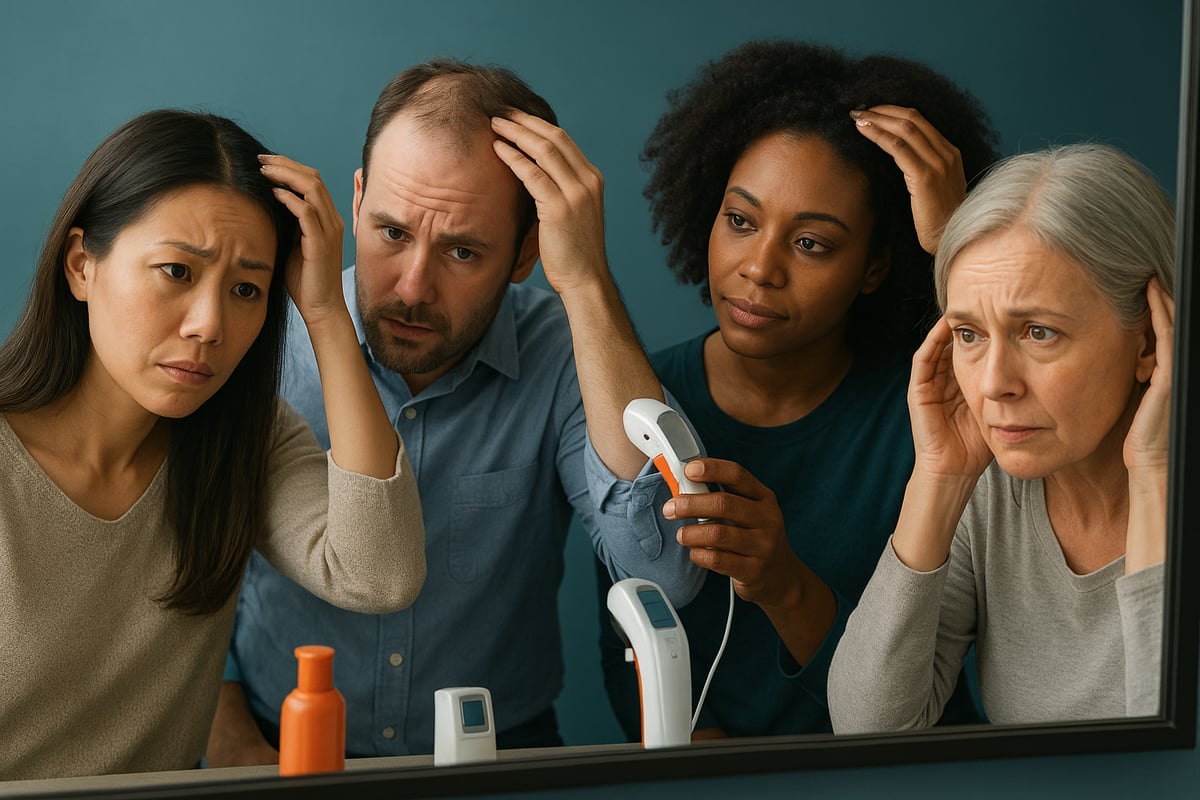
One of the main reasons people search for the best therapy for hair growth is the complex mix of factors that lead to hair loss. Genetics play a significant role, with conditions like androgenetic alopecia being the most common cause. Hormonal changes, such as those occurring during menopause or pregnancy, can also trigger shedding. Environmental factors, including pollution and sun exposure, damage hair follicles over time. Lifestyle habits like poor diet, lack of sleep, and harsh styling practices further contribute to the growing problem.
It’s important to recognise that hair loss is not just a physical concern. The emotional impact can be profound, affecting confidence, self-image, and overall wellbeing. Many people feel isolated or anxious when their hair begins to thin or fall out. Men and women alike often report feelings of frustration or embarrassment, which can influence social, professional, and personal aspects of life. For this reason, finding the best therapy for hair growth is about more than just appearance; it’s about restoring hope and self-esteem.
Modern lifestyles are making hair health more challenging. Increased stress, highly processed diets, and urban pollution place extra strain on the scalp and follicles. Thankfully, advances in diagnostics are making it easier to identify the root causes of hair loss. Early detection tools, digital scalp analysis, and affordable genetic testing allow for more personalised recommendations. This means that the best therapy for hair growth can be tailored to each individual’s biology and lifestyle, increasing the chances of successful results.
The landscape of hair loss treatments is changing rapidly. While traditional remedies still have their place, cutting-edge therapies are becoming mainstream. However, this progress brings new challenges. Misinformation is widespread, with many products making unrealistic promises. Consumers may be tempted by quick fixes or unproven solutions, risking disappointment or even harm. Product safety, transparency, and realistic expectations are more important than ever when considering the best therapy for hair growth. Staying informed and seeking support from qualified professionals can help individuals avoid common pitfalls and achieve their hair goals.
9 Essential Best Therapy for Hair Growth Solutions in 2026
Exploring the best therapy for hair growth can feel overwhelming, especially with new innovations emerging every year. In 2026, there are more effective and accessible options than ever before. The following therapies are transforming the way we approach hair restoration, offering hope and real results for anyone struggling with hair loss.
1. [Low-Level Laser Therapy (LLLT) Devices]
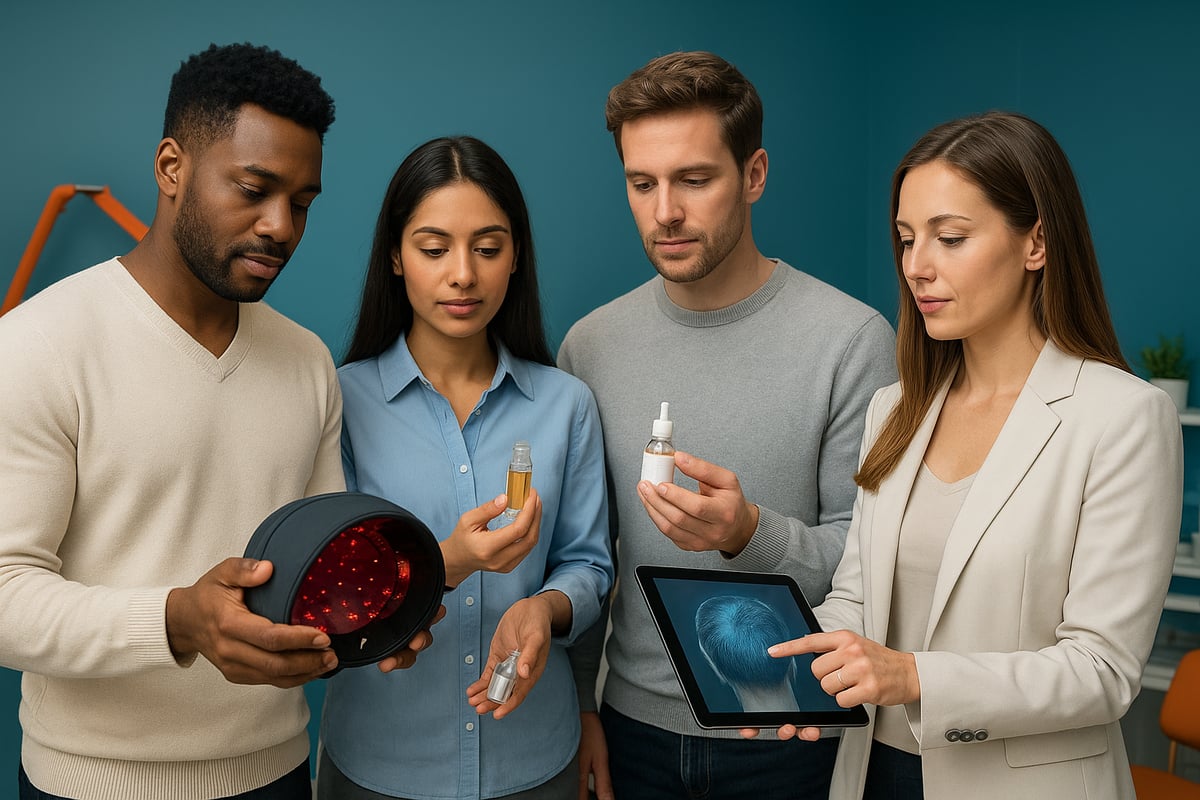
Low-Level Laser Therapy (LLLT) is one of the most popular non-invasive options for those seeking the best therapy for hair growth. LLLT uses gentle, targeted light to stimulate hair follicles, encouraging regrowth and improving scalp health.
In 2026, innovations in LLLT include wearable laser caps, handheld combs, and advanced in-clinic systems. These devices are user-friendly, allowing people to undergo treatment at home or under professional supervision. Wearable caps such as Capillus and iRestore are leading the way, offering greater comfort and coverage.
Clinical trials and FDA approvals have solidified LLLT’s place in the best therapy for hair growth landscape. Studies show consistent results, especially for those in the early stages of hair thinning. Ideal candidates are men and women experiencing pattern hair loss or general thinning.
Benefits include minimal side effects, convenience, and the ability to combine with other treatments. However, users must commit to regular sessions, and results can vary. Costs can be significant, depending on the brand and device chosen.
For a deeper understanding of how LLLT works and its effectiveness, see the Guide to Laser Therapy for Hair Growth.
2. [Platelet-Rich Plasma (PRP) Therapy]
PRP therapy is a regenerative approach that has rapidly gained traction as a best therapy for hair growth. The process involves drawing a small amount of the patient’s blood, spinning it to concentrate the platelets, and injecting this rich plasma into the scalp.
The science behind PRP is compelling. Platelets contain growth factors that support tissue repair and follicle stimulation. In 2026, PRP protocols have evolved, using double-spin technology and growth factor enhancements to maximise results.
Clinical studies and real-world reports highlight significant improvements for people with androgenetic alopecia, thinning, or those needing post-transplant support. The best therapy for hair growth often involves combining PRP with other modalities for enhanced outcomes.
Pros of PRP include its natural approach, minimal downtime, and avoidance of synthetic chemicals. Drawbacks are the need for multiple sessions, variable results, and higher costs. Many top clinics now offer tailored PRP packages, making it more accessible.
3. [Topical Minoxidil Formulations]
Minoxidil remains a staple in the best therapy for hair growth toolkit, with decades of proven success. Originally developed as an oral medication for hypertension, its topical application has consistently shown to stimulate hair regrowth.
In 2026, new delivery formats are available. Foams, serums, and microneedle-assisted applications increase absorption and user comfort. Many brands now blend minoxidil with botanicals and peptides, offering a holistic approach.
Efficacy data continues to support its use, especially for early-stage hair loss in both men and women. User satisfaction rates are high when the product is used consistently. The best therapy for hair growth using minoxidil is accessible, affordable, and available over the counter.
However, ongoing use is required to maintain results, and some users may experience scalp irritation. Consulting a professional helps tailor the right formulation for individual needs.
4. [Hair Growth Nutraceuticals and Supplements]
The best therapy for hair growth often includes supporting the body from within. Nutraceuticals and supplements have become a cornerstone of holistic hair care, with a focus on nourishing hair follicles and correcting deficiencies.
Innovative ingredients in 2026 include saw palmetto, biotin, marine collagen, and adaptogens. These compounds target hormonal balance, scalp circulation, and cellular health. Clinical studies support their role in improving hair density and reducing shedding.
Choosing the right supplement involves checking ingredient quality and clinical backing. The best therapy for hair growth using supplements also considers diet and lifestyle factors. Results are gradual but can be significant when used alongside other treatments.
Pros include a holistic approach and added wellness benefits. However, supplements are not a standalone fix, and results may take time. Popular brands offer tailored blends for different hair loss causes, with pricing to suit a range of budgets.
5. [Scalp Micropigmentation (SMP)]
Scalp Micropigmentation (SMP) is a cosmetic solution that offers immediate visual improvement for those seeking the best therapy for hair growth. SMP uses specialised pigments to replicate the appearance of hair follicles on the scalp, creating the illusion of density.
Advancements in 2026 focus on pigment technology and precision application. Skilled practitioners can match hair colour and skin tone, resulting in a natural look. SMP is suitable for men, women, people with alopecia, and those seeking to camouflage scars.
Benefits of SMP include instant results, low maintenance, and a significant confidence boost. It does not stimulate actual hair growth, but it provides a realistic appearance for those with thinning or bald areas.
The best therapy for hair growth sometimes involves combining SMP with other treatments. Costs vary depending on the extent of the area treated, and results can last several years before touch-ups are needed.
6. [Advanced Hair Transplant Techniques]
Hair transplants remain a gold standard in the best therapy for hair growth, especially for those with significant loss. In 2026, techniques like Follicular Unit Extraction (FUE) and Follicular Unit Transplantation (FUT) continue to evolve.
Robotic-assisted transplants and stem cell integration are at the forefront, improving precision and minimising scarring. Recovery times are shorter, and success rates are higher than ever before. The best therapy for hair growth through transplantation offers permanent, natural-looking results.
Ideal candidates have stable donor areas and a clear diagnosis. While the procedure carries higher costs and some surgical risks, the long-term benefits often outweigh these considerations.
Leading clinics provide detailed consultations and transparent pricing, making this option more accessible to a wider audience.
7. [Prescription Oral Medications]
Prescription oral medications form a key pillar in the best therapy for hair growth, especially for those with genetic forms of hair loss. Finasteride and dutasteride are the most well-known, blocking hormones that contribute to follicle shrinkage.
Emerging oral therapies in 2026 are expanding options, with ongoing research into safety and efficacy. These medications are effective for many men and some women, slowing loss and promoting regrowth.
The best therapy for hair growth using oral medication requires medical supervision. Side effects can include hormonal changes, so regular monitoring is essential. Convenience and proven results make these drugs a reliable choice for many.
Patients should weigh benefits against potential risks and consult a specialist to determine the best course of action.
8. [Exosome Therapy for Hair Regeneration]
Exosome therapy is an exciting development in the best therapy for hair growth. Exosomes are microscopic vesicles that carry growth signals to hair follicles, stimulating repair and regeneration.
Breakthroughs in 2026 include lab-grown exosomes and targeted delivery systems, increasing efficacy and safety. Clinical trials show promise, particularly for those who have not responded to other therapies.
The best therapy for hair growth may involve exosomes for early to moderate loss, or for those seeking regenerative, cutting-edge solutions. Availability is growing, but costs remain high, and long-term data is still being collected.
Pros include the potential for true regeneration and minimal invasiveness. As research continues, exosome therapy is expected to become more widely accessible.
9. [Personalised Hair Care and AI-Driven Treatment Plans]
Personalisation is transforming the best therapy for hair growth, thanks to advances in artificial intelligence and machine learning. AI-driven platforms analyse genetic, lifestyle, and scalp data to create bespoke treatment plans.
Customised product formulations and ongoing monitoring are now possible, increasing success rates and user satisfaction. In 2026, leading apps and clinics offer AI-powered assessments, guiding users to the most effective therapies.
The best therapy for hair growth is no longer one-size-fits-all. Data privacy, cost, and professional oversight are important considerations, but the benefits of tailored solutions are clear.
Combining AI with expert guidance ensures that each person receives the care best suited to their unique needs and goals.
How to Choose the Right Hair Growth Therapy for You
Choosing the best therapy for hair growth can feel overwhelming, especially with so many new options in 2026. The journey often starts with understanding your hair loss story. Are you grappling with sudden thinning, a receding hairline, or gradual shedding? Each scenario may require a unique approach, and it’s important to give yourself permission to seek answers at your own pace.
Key Factors for Choosing a Therapy
Start by looking at the root causes of your hair loss. Genetics, hormones, stress, or even environmental factors can all play a role. Your age, overall health, and the stage of hair loss will also influence which options might work best. Here’s a quick checklist to help:
- Identify the main cause (genetic, hormonal, lifestyle, medical).
- Assess the stage (early thinning, patchy loss, advanced balding).
- Consider age and general health status.
- Think about your comfort with different types of therapies.
This step-by-step assessment helps you narrow down the best therapy for hair growth for your unique needs.
The Value of Professional Assessment
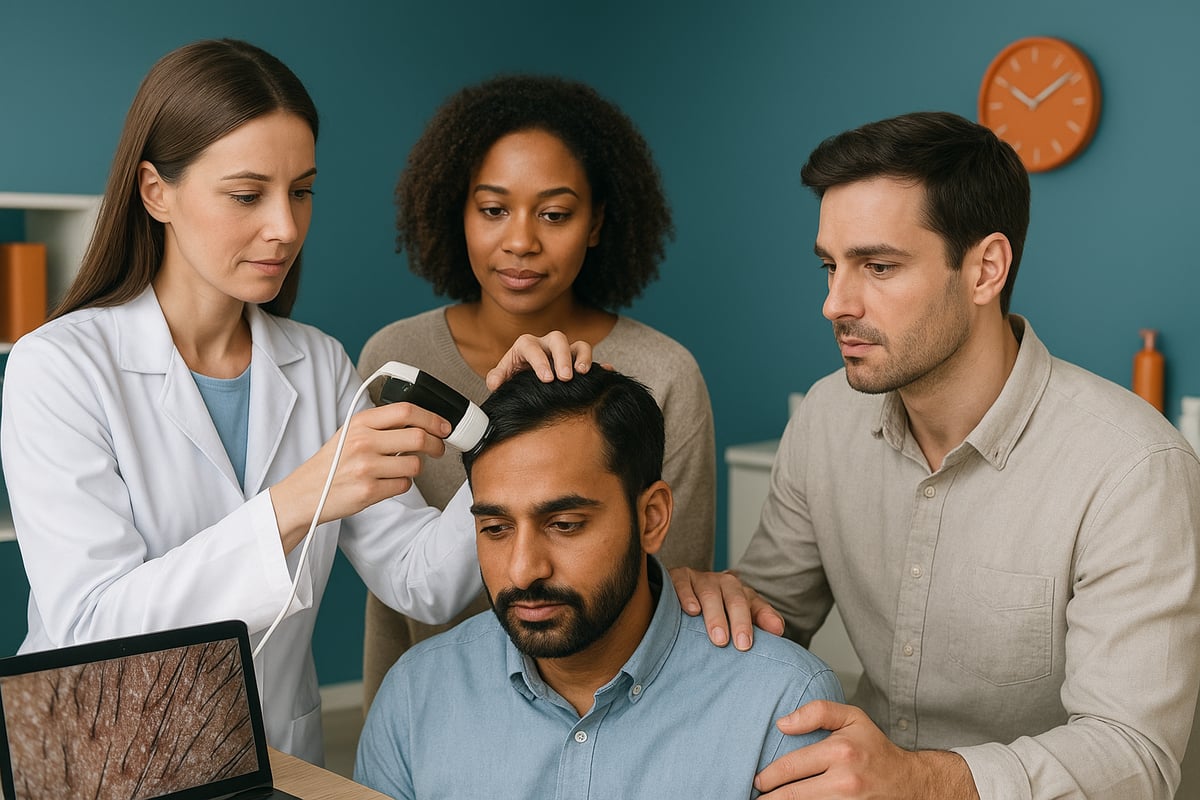
While online research is a great start, nothing beats a professional assessment. Trichologists and dermatologists use advanced tools in 2026, like scalp imaging and genetic testing, to pinpoint the most effective solution. They can also help set realistic expectations and spot any underlying conditions.
If you’re unsure where to start, the Hair Thinning Therapy Guide offers a deeper look at available therapies and what to expect from each one. Remember, expert advice is key to choosing the best therapy for hair growth and avoiding disappointment.
Comparing and Combining Therapies
With so many therapies available, compare their pros and cons carefully. Some people respond well to a single therapy, while others benefit from a combination approach. Here’s a simple table to help you weigh your options:
| Therapy Type | Pros | Cons |
|---|---|---|
| Topical Solutions | Easy access, affordable | Ongoing use required |
| PRP/LLLT | Non-invasive, safe | Multiple sessions, cost |
| Hair Transplants | Permanent, natural look | Surgery, downtime |
| Supplements | Holistic, wellness support | Gradual results, not standalone |
Combining treatments, such as supplements with PRP or topical minoxidil, can sometimes deliver the best therapy for hair growth results. Always consult your specialist about safe combinations.
Realistic Expectations and Personal Stories
It’s natural to want instant results, but patience is essential. Visible improvements can take months, and ongoing maintenance is often required. Budgeting for both short-term and long-term care ensures you can sustain your chosen therapy.
Every journey is personal. Some individuals with androgenic alopecia have found hope through solutions detailed in Androgenic Alopecia and Hair Growth Therapy, while others thrive with a mix of therapies. The best therapy for hair growth is the one that fits your life, goals, and values.
Give yourself grace, seek support, and remember—your hair health journey is unique and valid. The right guidance and mindset can make all the difference.
Future Outlook: Emerging Therapies and Innovation in Hair Growth
The future of hair restoration is brighter than ever, with rapid breakthroughs on the horizon. In the search for the best therapy for hair growth, researchers are exploring gene editing, stem cell technology, and regenerative medicine to unlock new possibilities for lasting results.
By 2030, experts predict we will see more personalised, minimally invasive treatments, and smarter diagnostics powered by AI. Imagine therapies that not only restore hair but also rejuvenate the scalp on a cellular level.
To stay ahead of these innovations and learn about the latest discoveries, explore emerging hair loss treatments in 2026 featuring expert opinions and clinical trial updates. Keep informed, stay hopeful, and remember that new solutions are just around the corner.
If you’re feeling overwhelmed by the number of hair growth therapies out there in 2026, you’re definitely not alone. We’ve explored the latest breakthroughs and real-life solutions, but sometimes, figuring out what’s best for you can feel daunting—especially when every hair journey is different. That’s why it helps to talk to someone who truly gets it. At Optima Hair Specialists, you’ll find support from people who have been in your shoes and genuinely care about your wellbeing. If you’re ready for a friendly chat about your options, you can Book a Free Consultation.
