Hair loss is more common than you might think, with 85 percent of men and 40 percent of women experiencing it by age 50. Facing this challenge can feel overwhelming, but there is hope. In 2025, non-invasive, science-backed options like laser therapy for hair growth are transforming the way we restore confidence and hair health. This guide will walk you through how laser therapy works, its proven benefits, risks, candidacy, treatment process, costs, and the latest innovations. Ready to explore if this breakthrough could be your solution? Let us help you take the next step on your hair restoration journey.
Understanding Laser Therapy for Hair Growth
Hair loss can be distressing, but advances in laser therapy for hair growth are offering new hope to many in the UK and beyond. This non-invasive treatment is attracting attention for its science-backed results and minimal discomfort. Understanding what laser therapy for hair growth involves can help you decide if it’s right for your needs.
What Is Laser Therapy for Hair Growth?
Laser therapy for hair growth, also known as Low-Level Laser Therapy (LLLT) or red-light therapy, is a cutting-edge, non-surgical treatment designed to stimulate hair follicles and support regrowth. Unlike laser hair removal, which targets hair reduction, this approach uses gentle, low-level lasers to encourage thicker, healthier hair.
The procedure is completely pain-free and involves no downtime. It has received FDA approval for safety and effectiveness, making it a trusted option for both men and women. Laser therapy for hair growth is suitable as a standalone solution or as part of a post-transplant care plan.
Increasingly popular across the UK, laser therapy for hair growth is recommended for anyone seeking a proven, science-driven way to address thinning hair. If you want to learn more about how this therapy works in detail, visit the Laser Hair Growth Therapy Overview for further insights.
How Does Laser Therapy Work?
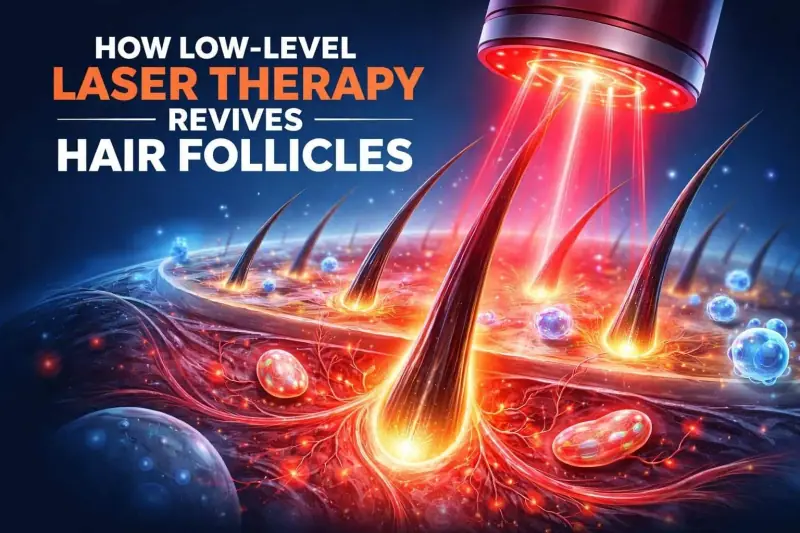
The effectiveness of laser therapy for hair growth lies in its unique ability to reach deep into the scalp. Low-level lasers deliver light energy that is absorbed by cells in the hair follicles through a process called photobiomodulation. This stimulates cellular activity, boosts blood flow, and improves the delivery of nutrients to the roots.
As a result, hair follicles are encouraged to move into the active (anagen) growth phase, while the resting (telogen) and transitional (catagen) phases are shortened. Scientific studies show laser therapy for hair growth can even help repair dormant follicles and reduce the hormone DHT, which is linked to pattern baldness.
Enhanced protein synthesis and improved scalp health further support stronger, fuller hair. This combination of effects is why many people see noticeable improvements after consistent treatment.
Types of Laser Devices and Treatments
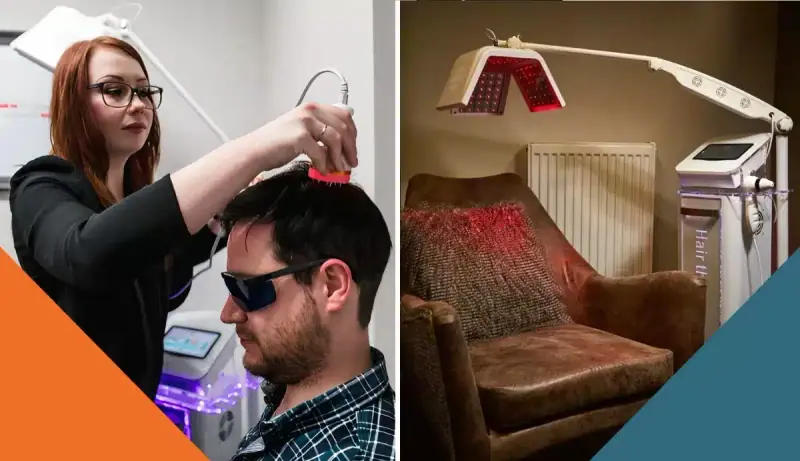
There are several ways to access laser therapy for hair growth, each tailored to individual needs. In-clinic treatments use powerful, medical-grade machines operated by trained professionals, offering the highest level of precision.
For convenience, at-home devices such as laser caps, combs, and helmets are also available. These vary in strength and recommended usage. Treatment protocols may be customised based on the severity of hair loss, with some people combining laser therapy for hair growth with other solutions like PRP or specialised hair systems.
Modern advancements in 2025 have led to smarter, more comfortable devices, making maintenance and regular use easier than ever. Frequency of sessions can range from a few times a week to monthly, depending on your treatment plan.
Who Can Benefit from Laser Therapy?
Laser therapy for hair growth is ideal for those experiencing early-stage hair loss, mild thinning, or a receding hairline. It can effectively treat conditions such as male and female pattern baldness, alopecia areata, postpartum shedding, and some types of endocrine-related hair loss.
This therapy is suitable for adults of all genders, although results are best for those who still have active follicles. It is less effective for individuals with advanced baldness or complete follicle loss. Many patients use laser therapy for hair growth as a non-surgical option or to enhance results after a hair transplant.
Typical candidates include young adults noticing thinning, new mothers addressing postpartum hair loss, and anyone looking for a gentle, supportive approach to hair restoration.
The Science and Effectiveness of Laser Hair Growth Therapy
Understanding the science behind laser therapy for hair growth can help you feel confident about your treatment choices. In this section, we break down the clinical evidence, real-world benefits, potential risks, and what you can truly expect from this technology.
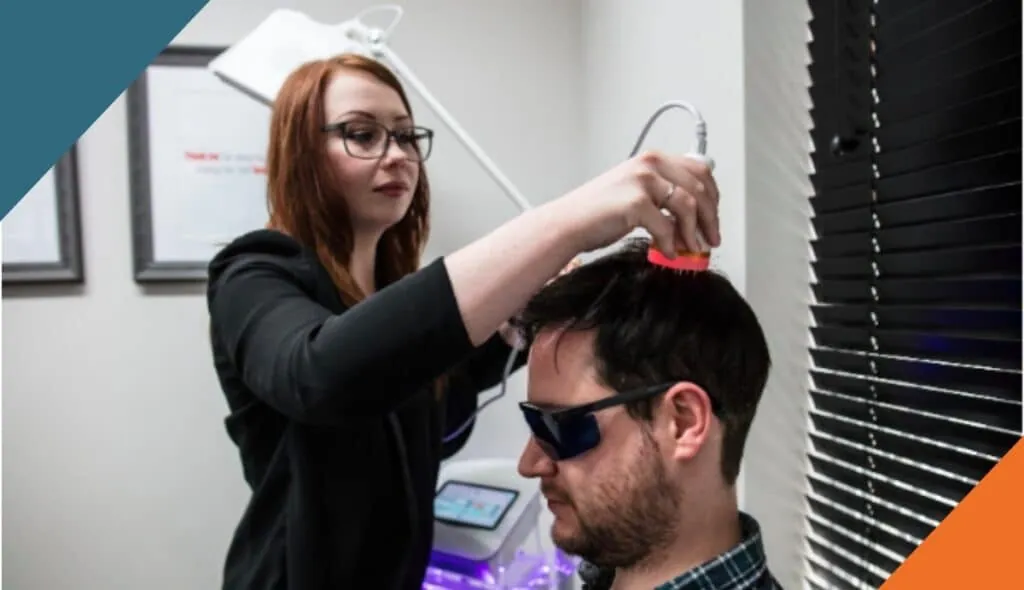
Most research shows that low-level lasers can increase hair count, density, and thickness by stimulating dormant follicles. In some studies, up to 70% of users noticed visible regrowth within three to six months. Typically, improvements are seen after 12 to 24 weeks of consistent sessions.
A review of leading studies, such as those discussed in Does Laser Hair Therapy Really Work?, highlights that laser therapy for hair growth can outperform many topical treatments in terms of safety and patient satisfaction. However, results vary depending on factors like age, genetics, and how soon treatment begins.
Compared to traditional options, laser therapy for hair growth is less invasive and offers a better safety profile, though it may require ongoing commitment. While most users experience some level of improvement, not everyone will achieve the same outcome. Tracking progress with photos and regular check-ups is key.
Benefits of Laser Therapy for Hair Growth
Choosing laser therapy for hair growth comes with a range of advantages. The treatment is non-invasive and completely pain-free, making it accessible for people who want to avoid surgery or medications with harsh side effects.
Some of the most valued benefits include:
- Improved hair density and thickness.
- Reduced hair shedding and breakage.
- Enhanced scalp health and blood circulation.
- No downtime or recovery, so you can return to daily life straight away.
- Boosted self-confidence and overall wellbeing.
Many patients combine laser therapy for hair growth with other treatments like minoxidil or PRP for even better results. Before-and-after case studies often show fuller, healthier hair and a noticeable change in self-esteem.
Laser therapy for hair growth is suitable for both men and women, and its flexibility allows for custom treatment plans based on your specific needs.
Risks, Side Effects, and Contraindications
While laser therapy for hair growth is considered very safe, there are a few mild side effects to be aware of. Some people may notice temporary scalp redness or a warm sensation after sessions, but these symptoms usually fade quickly.
Rarely, sensitive individuals may experience irritation or an allergic reaction. It is important not to use laser therapy for hair growth if you have an active scalp infection, certain skin conditions, or a known sensitivity to light.
Always consult a professional before starting treatment. This ensures that laser therapy for hair growth is appropriate for you and that any contraindications are identified early. Following aftercare advice and using certified devices can further reduce risks.
Limitations and Realistic Expectations
It is important to understand that laser therapy for hair growth is not a miracle cure. The treatment works best for those in the early stages of hair loss or with mild to moderate thinning. If follicles are already dead or scarring is present, results will be limited.
Consistency is crucial. Regular sessions, sometimes paired with other therapies, are needed to maintain progress. While most people see positive changes, not everyone will experience dramatic regrowth.
Setting realistic goals and combining laser therapy for hair growth with good scalp care and healthy habits will help you achieve the best possible outcome. Patient testimonials show a range of experiences, highlighting the importance of early intervention and patience.
The Laser Hair Growth Therapy Process: Step-by-Step in 2025
Embarking on laser therapy for hair growth in 2025 is a journey marked by science, comfort, and personalisation. If you are feeling anxious, you are not alone. Understanding each step can empower you and help you achieve the best possible results.
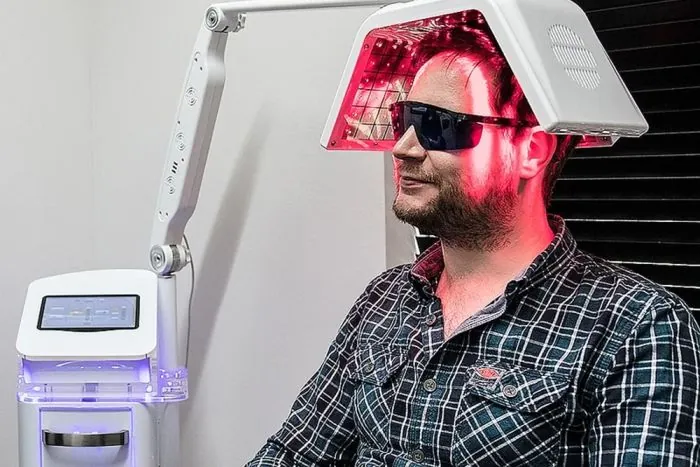
Your specialist will carefully review your medical history and examine your scalp using tools like digital imaging or trichoscopy. They will identify your pattern and stage of hair loss, discuss your lifestyle, and listen to your concerns.
During this session, you will learn about the benefits and limitations of laser therapy for hair growth. The expert will assess for any contraindications, such as scalp conditions or light sensitivity, and answer all your questions.
A personalised treatment plan will be created, tailored to your needs and goals. Clinics often provide a flow similar to this:
- Welcome and introduction
- Medical and scalp assessment
- Discussion of hair loss type and stage
- Setting treatment expectations
- Planning next steps
This step ensures you feel heard, supported, and confident about your decision to proceed.
Step 2: Preparing for Laser Therapy
Preparation is key to maximising the results of laser therapy for hair growth. Your clinic will give you a simple checklist to follow before your first session.
Common prep steps include:
- Gently cleansing your scalp and avoiding harsh products
- Pausing certain medications or topical treatments if advised
- Taking baseline photos for future comparison
- Arriving with clean, dry hair
You may be advised to avoid heavy styling products and direct sun exposure. Your clinician will answer any last-minute questions and reassure you about what to expect.
On the day of your session, arrive feeling relaxed. Knowing you have followed the recommended pre-care steps can boost your confidence and help the laser therapy for hair growth work as effectively as possible.
Step 3: The Laser Therapy Session
Your first laser therapy for hair growth session will be straightforward and comfortable, whether you choose in-clinic or at-home options. In modern clinics, sessions usually last 20 to 30 minutes and are performed two or three times a week.
Here is what to expect:
- You will sit comfortably while the specialist positions the laser device (cap, comb, or helmet) on your scalp.
- Medical-grade machines are used in clinics for maximum precision and safety.
- You may feel a gentle warmth or tingling, but no pain.
- The specialist will monitor your scalp’s response and adjust settings for your comfort.
At-home devices follow similar steps but are less powerful, requiring longer-term use. Here is a quick comparison:
| Feature | In-Clinic | At-Home |
|---|---|---|
| Device Power | Medical-grade, stronger | Consumer, lower intensity |
| Supervision | Professional | Self-administered |
| Session Length | 20–30 minutes | 20–30 minutes |
| Frequency | 2–3 times/week | 3–4 times/week |
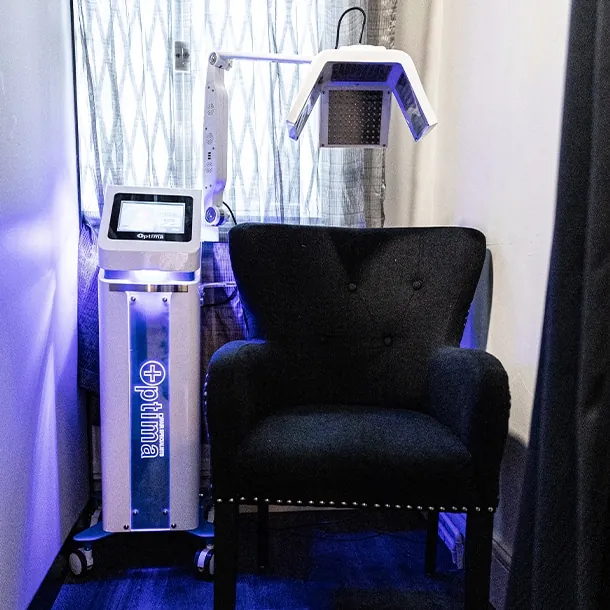
Clinics like Optima are leading the way with new technology that personalises every session for your unique needs. For more on their latest advancements and patient experiences, see Innovative Laser Therapy at Optima.
Step 4: Post-Treatment Care and Maintenance
After each laser therapy for hair growth session, simple aftercare helps protect your scalp and prolong results. Immediate care may involve:
- Gently cleansing the scalp
- Avoiding harsh styling products and heat tools
- Protecting your scalp from direct sunlight
Follow-up sessions are scheduled according to your personalised plan. Your clinician may recommend combining laser therapy for hair growth with other treatments, such as topical agents or supplements, for enhanced results.
Monitor your scalp for any mild redness or irritation, which typically fades quickly. Consistency is key, so sticking to your session schedule will help you achieve the best possible outcome.
Ongoing support is available from your clinic, ensuring you always have guidance and reassurance throughout your journey.
Step 5: Tracking Progress and Adjusting the Plan
Tracking your results is an essential part of the laser therapy for hair growth process. Clinics will take regular progress photos and conduct scalp assessments during follow-up visits.
If you notice a plateau or slow progress, your clinician may adjust the frequency or combine therapies to boost results. Open communication is encouraged, so share your feedback and experiences.
Visible improvements usually appear within three to six months, although individual timelines vary. It is important to be patient and maintain realistic expectations, as hair regrowth is a gradual process.
If laser therapy for hair growth is not providing the results you hoped for, your specialist will discuss alternative solutions. The goal is always your satisfaction and confidence in your appearance.
Comparing Laser Therapy with Other Hair Loss Treatments
Choosing the right hair loss solution can be overwhelming, especially with so many options available in 2025. Let’s break down how laser therapy for hair growth stacks up against other leading treatments, helping you understand the differences and make the most informed decision for your hair care journey.
Laser therapy requires no downtime, is pain-free, and carries minimal risks, unlike transplants which can involve discomfort and a recovery period. Costs for transplants are typically higher upfront, while laser therapy is spread out over repeated sessions. Many patients combine both, using laser therapy post-transplant to enhance healing and support new growth.
A good rule of thumb: early to moderate hair loss often responds well to laser therapy, while surgery is reserved for more extensive cases. Both options benefit from professional guidance and ongoing aftercare.
Laser Therapy vs. Medications (Minoxidil, Finasteride)
Medications like minoxidil and finasteride work differently from laser therapy for hair growth. Minoxidil is a topical solution that stimulates follicles, while finasteride is an oral medication blocking DHT, the hormone linked to pattern baldness.
Laser therapy is favoured by those seeking a drug-free option with minimal systemic side effects. Medications, however, may cause irritation, sexual side effects, or allergic reactions in some users. Compliance is key, as both require consistent use to maintain results.
Some people combine laser therapy and medications for greater effect, especially under clinical supervision. Each method has its strengths, and the best choice depends on your medical history, tolerance, and lifestyle preferences.
Laser Therapy vs. PRP (Platelet-Rich Plasma)
PRP therapy involves drawing your blood, concentrating the platelets, and injecting them into the scalp to promote growth. In contrast, laser therapy for hair growth is completely non-invasive and pain-free, making it more appealing to those wary of needles.
PRP sessions are usually less frequent but can be costlier per treatment. Laser therapy offers the advantage of at-home options and a gentler experience. Studies indicate both can be effective, especially in early hair loss, and many clinics now offer combination packages for enhanced results.
Comfort, convenience, and budget are important factors. For those uncomfortable with injections, laser therapy provides a gentle alternative without compromising on quality.
Laser Therapy vs. Hair Systems and Scalp Micropigmentation
Hair systems (like wigs and toppers) and scalp micropigmentation (SMP) are cosmetic solutions that provide instant coverage, but they do not encourage biological hair regrowth. Laser therapy for hair growth, on the other hand, aims to reactivate your own follicles and improve scalp health.
Hair systems require ongoing maintenance and periodic replacement, while SMP is a semi-permanent tattooing technique that creates the illusion of density. Laser therapy is often used alongside these options to support any remaining natural hair and delay further loss.
Choosing between cosmetic and biological solutions is deeply personal. Many find emotional reassurance from visible, immediate improvements, while others prefer the gradual, natural results from laser therapy.
Choosing the Right Solution: Personalised Hair Loss Management
Every hair loss journey is unique, so finding the best approach means considering your age, gender, hair loss stage, lifestyle, and budget. Laser therapy for hair growth can be tailored to your needs, often working best when combined with other treatments for a holistic result.
Professional consultation is key to setting realistic expectations and designing a plan that matches your goals. Support networks and ongoing care play a huge role too. To learn more about how these options compare and see real-world outcomes, explore the Effectiveness of laser therapy for hair loss for clinical insights and patient stories.
Remember, there is no one-size-fits-all solution. With expert support and a personalised plan, you can confidently choose the path that feels right for you and your hair.
Costs, Accessibility, and What’s New in 2025
Navigating the world of laser therapy for hair growth in 2025 can feel overwhelming, especially when it comes to costs, availability, and choosing the right provider. Let’s break down what you need to know so you can confidently plan your next steps.
Laser Therapy Costs and Financing Options
In 2025, the cost of laser therapy for hair growth varies based on the treatment setting and device type. In-clinic sessions typically range from £1,200 to £3,000 for a six-month programme, while at-home devices can cost between £400 and £1,500. Factors like clinic reputation, device quality, location, and session frequency all play a role in pricing.
Many clinics now offer flexible payment plans or interest-free finance to help make treatments more accessible. While most insurance providers in the UK do not cover laser therapy for hair growth, some may offer partial contributions if hair loss is linked to a medical condition.
Here’s a quick comparison:
| Treatment Type | Cost Range (6 Months) | Payment Plans Available? |
|---|---|---|
| In-clinic | £1,200–£3,000 | Yes |
| At-home device | £400–£1,500 | Sometimes |
Budgeting tip: Ask for a full cost breakdown during your consultation and check for any hidden fees. This helps you make an informed choice before committing to laser therapy for hair growth.
Accessibility and Availability in the UK
Access to laser therapy for hair growth has improved across the UK, with more clinics offering advanced treatments and a wider selection of at-home devices. Urban centres like London, Manchester, and Birmingham have the highest concentration of providers, while rural areas may have fewer options.
To find reputable providers, look for clinics registered with the Care Quality Commission (CQC) or similar regulatory bodies. Many now offer online consultations, making expert advice more accessible no matter where you live.
Support is available for men, women, children, and transgender clients. Clinics often have multilingual staff and private consultation spaces to create a comfortable experience.
When considering an at-home device, always check for UKCA or CE certification for safety and effectiveness. Reliable providers will happily answer questions about device quality and aftercare, ensuring your laser therapy for hair growth journey starts on the right foot.
Latest Innovations and Trends in Laser Hair Growth Therapy (2025)
The landscape of laser therapy for hair growth is constantly evolving. In 2025, we’re seeing next-generation devices with improved precision, higher power, and enhanced comfort. Many new models feature wearable designs, making treatments more convenient than ever.
Artificial intelligence is now being used to track progress and personalise treatment plans, while data-driven tools help both clinics and clients monitor results. Combination therapies, such as pairing laser therapy with PRP or topical solutions, are gaining popularity for their synergistic effects.
Sustainability is also a focus, with manufacturers introducing eco-friendly materials and energy-efficient devices. According to 2025 hair restoration market trends, these innovations are driving increased demand and better patient outcomes.
Education is a top priority, with clinics providing more resources to help clients understand their options for laser therapy for hair growth and set realistic expectations.
What to Look for in a Laser Hair Growth Provider
Choosing the right provider is crucial for a safe and effective laser therapy for hair growth experience. Here’s a simple checklist to guide your decision:
- Verify clinician credentials and experience.
- Ensure the clinic uses high-quality, approved equipment.
- Look for clear, upfront pricing with no hidden costs.
- Expect a personalised treatment plan tailored to your needs.
- Ask about ongoing support and aftercare.
- Read verified reviews and success stories from real clients.
A reputable provider will welcome your questions and support you every step of the way, helping you feel confident and cared for as you begin your hair restoration journey.
FAQs: Laser Therapy for Hair Growth in 2025
Are you curious about laser therapy for hair growth in 2025? You are not alone. Many people have pressing questions before starting their journey. Let us explore the most common concerns, debunk persistent myths, and provide practical tips to help you get the best possible results.
Common Questions and Expert Answers
How soon will I see results from laser therapy for hair growth?
Most people notice initial improvements in scalp health and reduced shedding within 12 to 16 weeks. Full visible regrowth often appears after 6 months of consistent use.
Is laser therapy for hair growth safe for all hair types and skin tones?
Yes, this treatment is considered safe for a wide range of hair and skin types. The non-invasive technology is gentle and FDA-approved. However, a professional assessment is always recommended.
Can I combine laser therapy for hair growth with other treatments?
Absolutely. Many people use it alongside minoxidil, finasteride, or PRP to boost outcomes. Consult your specialist for a tailored plan.
How long do results last?
As long as you maintain regular sessions, benefits can be long-term. Stopping treatment may lead to gradual hair thinning again.
Are there any long-term side effects?
Long-term risks are rare. Mild scalp redness or tingling can occur but usually resolves quickly.
What if I miss a session?
Missing an occasional session will not undo your progress, but consistency is key for best results.
Is it suitable for children or teenagers?
This depends on age, hair loss type, and medical history. Always seek expert advice for younger clients.
For more on the clinical science behind these answers, see this comprehensive review of clinical studies on LLLT efficacy.
Myths and Misconceptions Debunked
Let us clear up some common myths about laser therapy for hair growth:
- “Laser therapy is painful or dangerous.”
Fact: The process is pain-free, with a strong safety record. - “It works instantly.”
Fact: Results take time, requiring patience and routine. - “It’s only for men.”
Fact: Women and even children may benefit, based on clinical advice. - “Results are guaranteed for everyone.”
Fact: Outcomes vary depending on individual response and hair loss stage. - “At-home devices are just as effective as clinical treatments.”
Fact: Clinical devices are often stronger and may deliver faster results. - “You can stop once you see improvement.”
Fact: Ongoing maintenance is needed to preserve your gains.
Understanding the realities of laser therapy for hair growth helps you make informed decisions and set achievable goals.
Tips for Maximising Results from Laser Therapy
To get the most from laser therapy for hair growth, follow these tips:
- Stay consistent with your treatment schedule.
- Combine therapy with a healthy lifestyle and gentle scalp care.
- Take regular progress photos to track changes.
- Listen to your clinician’s advice and attend follow-ups.
- Be patient—visible changes take time.
- Avoid unregulated products or devices.
You can also view real-life laser hair growth therapy results to set realistic expectations and see what is possible.
Remember, everyone’s journey is unique. With expert guidance and the right approach, you can boost your hair confidence in 2025.