If you’ve noticed more strands in your hairbrush lately or a growing collection of hair in the shower drain, you’re not alone. Hair shedding can be distressing, affecting your confidence and emotional wellbeing in ways that others might not fully understand. Whilst losing some hair daily is completely normal-typically between 50 and 100 strands-excessive shedding often signals that something has shifted in your body or lifestyle. Understanding what’s happening beneath the surface is the first step towards addressing it with compassion and informed action.
Understanding Normal Hair Loss Versus Excessive Shedding
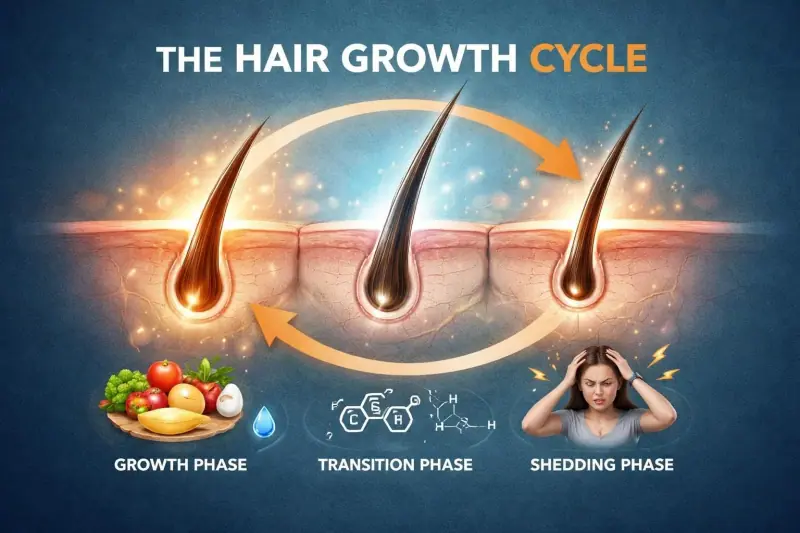
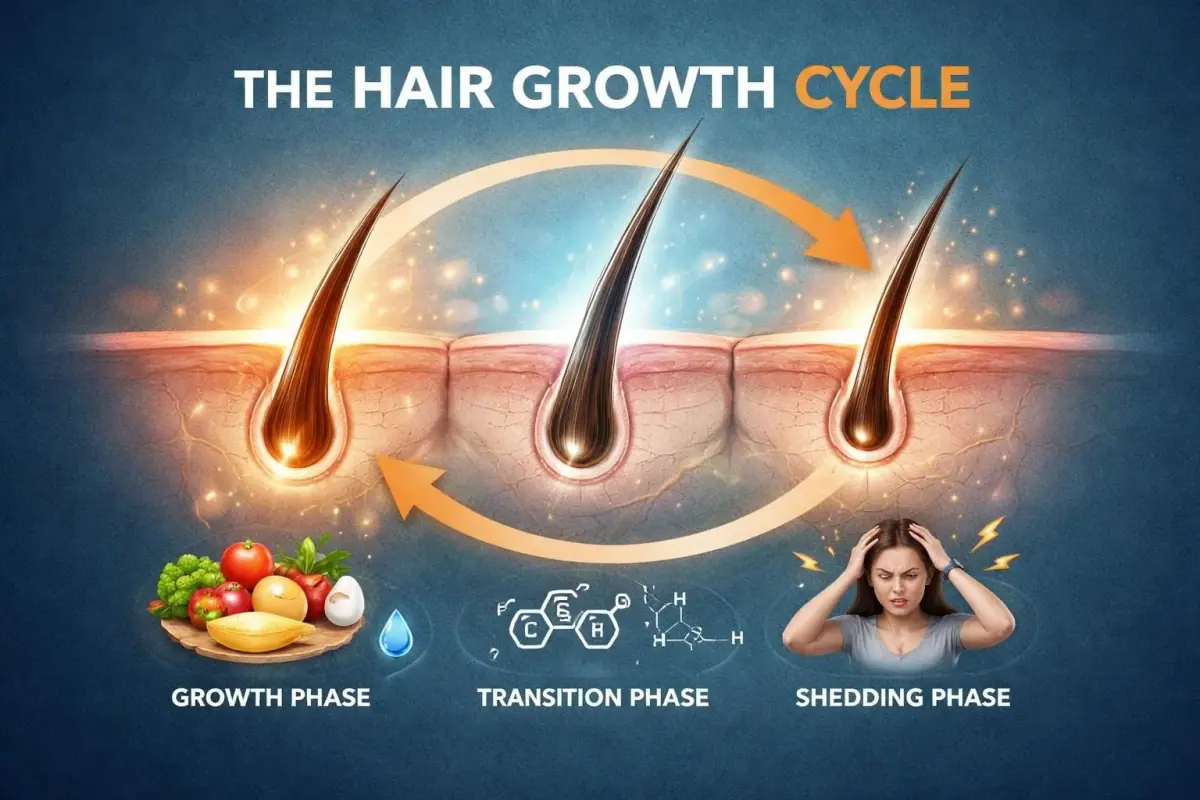
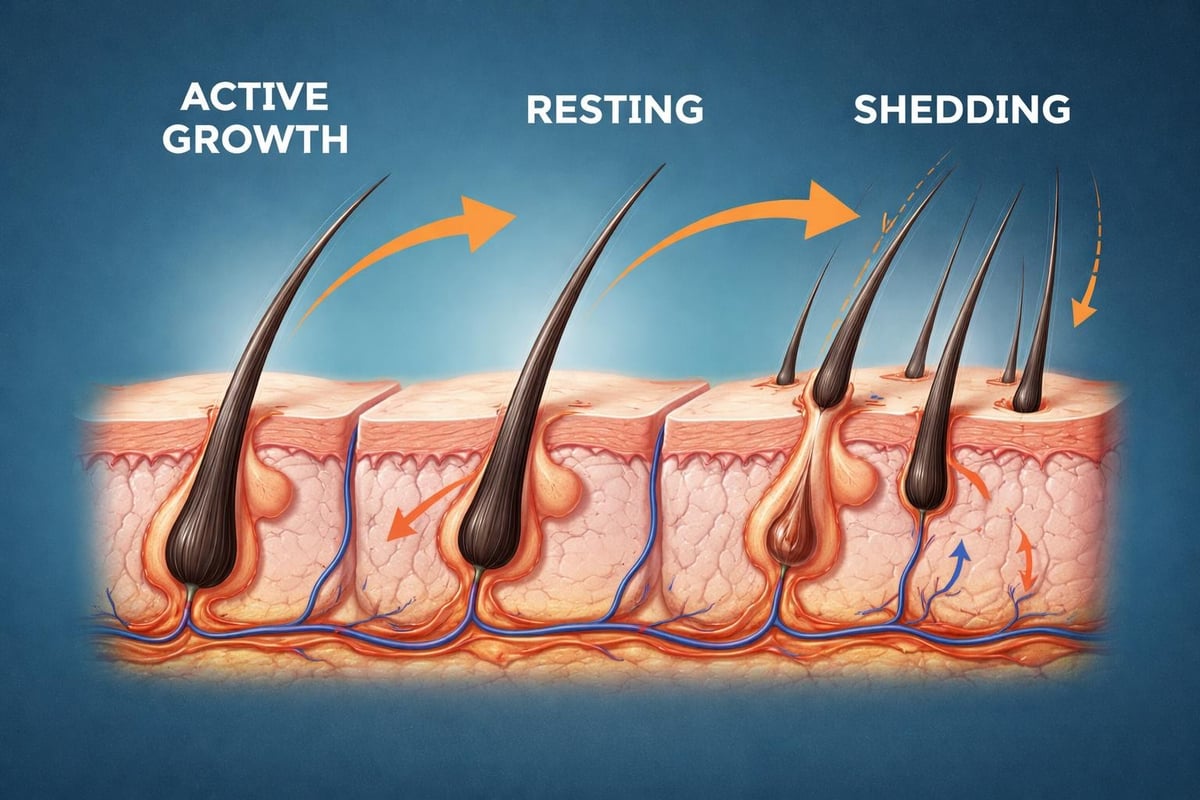
Your hair follows a natural growth cycle that includes three distinct phases: anagen (active growth), catagen (transition), and telogen (resting). During the telogen phase, hair naturally releases from the follicle, making room for new growth.
This is why some daily shedding is expected. However, when various factors disrupt this delicate cycle, you may notice significantly more hair loss than usual.
Key differences between normal and excessive shedding:
- Normal shedding involves 50-100 hairs daily without noticeable thinning
- Excessive shedding produces visible patches or overall reduced density
- Normal loss occurs gradually and consistently
- Excessive loss often happens suddenly after a triggering event
The medical term for temporary excessive shedding is telogen effluvium, where a larger proportion of hair follicles prematurely enter the resting phase. This condition typically develops two to three months after a triggering event, which can make identifying the cause challenging.
Hormonal Changes That Trigger Hair Shedding
Hormones play a crucial role in regulating hair growth, and fluctuations can significantly impact your hair’s health. One of the most common causes hair shedding is the dramatic hormonal shift following childbirth.
Pregnancy and Postpartum Hair Loss
During pregnancy, elevated oestrogen levels keep more hair in the growth phase, often resulting in thicker, more lustrous locks. After delivery, hormone levels rapidly normalise, and all that extra hair enters the shedding phase simultaneously. This postpartum hair loss typically peaks around three to four months after birth and gradually resolves within six to twelve months.
Menopause and Perimenopause
The transition into menopause brings another significant hormonal upheaval. Declining oestrogen and progesterone levels, combined with the relatively increased influence of androgens, can trigger hair thinning across the scalp. Women experiencing menopausal changes may notice their hair becoming finer, with reduced overall volume.
Thyroid Disorders
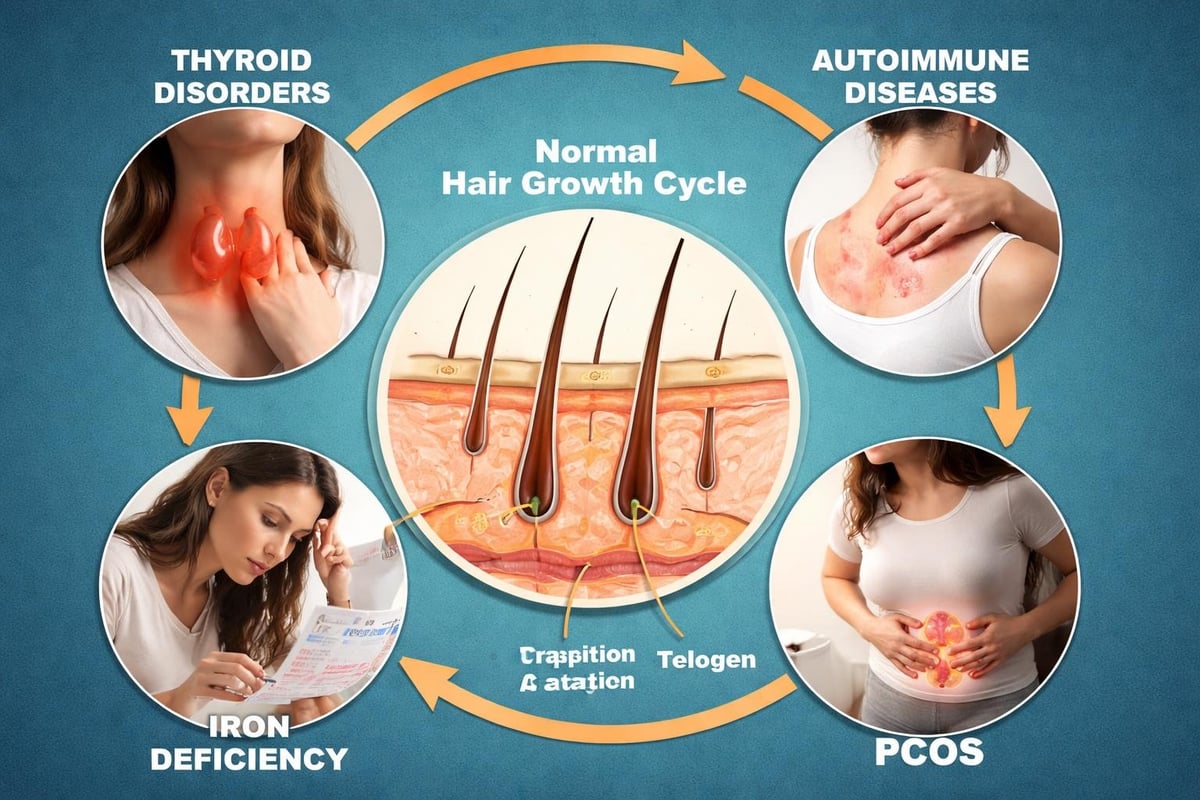
Your thyroid gland regulates metabolism throughout your body, including in hair follicles. Both hypothyroidism (underactive thyroid) and hyperthyroidism (overactive thyroid) can disrupt the hair growth cycle, leading to diffuse thinning.
| Thyroid Condition | Impact on Hair | Additional Symptoms |
|---|---|---|
| Hypothyroidism | Dry, brittle hair that sheds excessively | Fatigue, weight gain, cold sensitivity |
| Hyperthyroidism | Fine, fragile hair with increased shedding | Weight loss, anxiety, heat sensitivity |
| Hashimoto’s Disease | Progressive thinning and texture changes | Chronic inflammation, autoimmune symptoms |
Stress and Emotional Triggers
The connection between stress and hair loss is well-documented and deeply understood by those who’ve experienced it firsthand. When you face significant physical or emotional stress, your body diverts resources away from non-essential functions like hair growth.
Common stressors that cause hair shedding include:
- Major life events (divorce, bereavement, relationship breakdown)
- Severe illness or major surgery
- Financial difficulties or job loss
- Chronic anxiety or depression
- Traumatic experiences or prolonged periods of worry
This type of stress-related shedding, known as telogen effluvium, typically manifests two to three months after the stressful event. The good news is that once the stress resolves and your body recovers, hair growth usually resumes normally. Understanding how stress affects your body can help you recognise patterns and take proactive steps towards recovery.
Medical Conditions and Autoimmune Factors
Several medical conditions can interfere with healthy hair growth, and recognising these connections is vital for proper treatment.
Autoimmune Conditions
Alopecia areata occurs when your immune system mistakenly attacks hair follicles, causing sudden, patchy hair loss. Other autoimmune conditions like lupus can also trigger shedding, often accompanied by additional symptoms such as joint pain, fatigue, or skin rashes.
Iron Deficiency and Anaemia
Low iron levels are a frequently overlooked factor that causes hair shedding, particularly in women with heavy menstrual periods. Hair follicles require adequate iron to produce new cells, and deficiency can push follicles into the resting phase prematurely.
Polycystic Ovary Syndrome (PCOS)
PCOS creates hormonal imbalances that can lead to both hair thinning on the scalp and unwanted hair growth elsewhere on the body. The elevated androgen levels characteristic of this condition affect follicles differently across various body areas.
Nutritional Deficiencies and Diet
What you eat directly impacts your hair’s health. Hair follicles are among the most metabolically active cells in your body, requiring consistent nutrition to function optimally.
Critical Nutrients for Hair Health
Essential vitamins and minerals:
- Iron: Supports oxygen transport to follicles
- Vitamin D: Helps create new follicles and awakens dormant ones
- B vitamins: Particularly biotin and B12 for cell production
- Zinc: Supports follicle repair and growth
- Protein: Provides the building blocks (keratin) for hair structure
- Omega-3 fatty acids: Nourish the scalp and support follicle health
Crash Diets and Rapid Weight Loss
Extreme calorie restriction or rapid weight loss can shock your system, triggering telogen effluvium. Your body interprets severe dietary changes as a crisis, redirecting resources away from hair growth towards essential survival functions. This type of shedding typically appears six weeks to three months after the dietary change.
Restrictive eating patterns that eliminate entire food groups may also create specific nutrient deficiencies. If you’re following a vegan or vegetarian diet, ensuring adequate B12, iron, and protein intake becomes particularly important for maintaining healthy hair.
Medications and Medical Treatments
Numerous medications list hair loss as a potential side effect, though not everyone experiences this reaction. Being aware of which treatments might cause hair shedding helps you make informed decisions with your healthcare provider.
Common Medications That Affect Hair
| Medication Category | Examples | Why It Affects Hair |
|---|---|---|
| Blood thinners | Warfarin, heparin | Disrupt follicle cell division |
| Beta-blockers | Metoprolol, atenolol | Alter follicle metabolism |
| Antidepressants | Certain SSRIs | May affect hormone levels |
| Retinoids | Isotretinoin (Roaccutane) | Increase shedding rate |
| Chemotherapy | Various agents | Target rapidly dividing cells |
Cancer Treatments
Chemotherapy and radiation therapy target rapidly dividing cells throughout your body, including hair follicles. This causes anagen effluvium, where hair sheds during the active growth phase rather than the resting phase. Hair loss from cancer treatment is usually temporary, with regrowth beginning weeks to months after treatment concludes.
The emotional impact of treatment-related hair loss extends far beyond the physical changes, affecting identity and self-perception during an already challenging time.
Hair Care Practices and Physical Damage
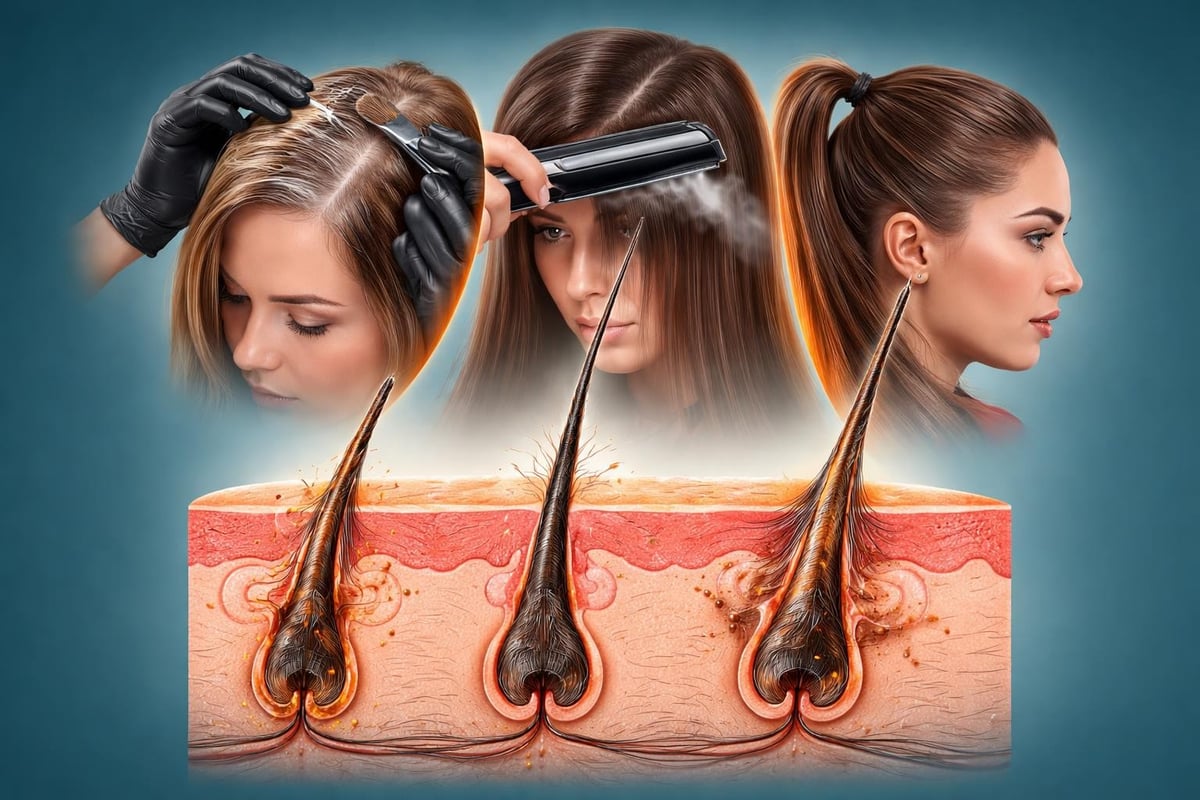
Sometimes what causes hair shedding isn’t an internal factor but rather how you treat your hair externally. Over-processing, excessive heat styling, and tight hairstyles can all contribute to increased shedding and breakage.
Traction Alopecia
Repeatedly pulling hair into tight ponytails, braids, buns, or extensions creates constant tension on follicles. Over time, this mechanical stress can damage the follicle permanently, leading to traction alopecia. Early intervention is crucial, as catching it in the reversible stage allows follicles to recover once tension is removed.
High-risk hairstyles to approach with caution:
- Tight braids or cornrows
- Sleek, pulled-back ponytails
- Hair extensions (especially glued or sewn types)
- Tight buns or topknots
- Weaves that create excessive tension
Chemical Processing and Heat Damage
Frequent colouring, bleaching, perming, or relaxing weakens the hair shaft, making it prone to breakage. Similarly, daily use of straighteners, curling irons, or blow dryers without heat protection gradually damages the protective cuticle layer.
Whilst this doesn’t necessarily affect the follicle’s ability to produce new hair, severe damage can create the appearance of thinning as existing strands break off rather than growing to their full potential length.
Age-Related Hair Changes
As we age, our hair naturally changes in texture, density, and growth rate. Understanding these normal age-related shifts helps distinguish between expected changes and concerning hair loss.
The Natural Ageing Process
Hair follicles gradually produce finer, shorter strands as you get older. The growth phase shortens whilst the resting phase lengthens, meaning each follicle spends more time dormant and less time actively producing hair. This results in reduced overall density and volume, even if you’re not experiencing pathological hair loss.
Additionally, melanocyte activity decreases, leading to greying-a completely normal part of ageing that doesn’t indicate poor health.
Pattern Hair Loss (Androgenetic Alopecia)
The most common form of progressive hair loss, androgenetic alopecia, affects both men and women and becomes more prevalent with age. In men, this typically manifests as a receding hairline and thinning crown. Women usually experience diffuse thinning across the top of the scalp whilst maintaining their frontal hairline.
This hereditary condition involves follicles’ sensitivity to dihydrotestosterone (DHT), a hormone derived from testosterone. Various factors influence this type of hair loss, including genetic predisposition, hormonal factors, and age.
Environmental and Seasonal Factors
Your environment and the changing seasons can influence hair shedding patterns in ways you might not expect.
Seasonal Shedding
Research suggests that many people experience increased shedding during autumn months. This may be an evolutionary remnant from when humans needed thicker hair during winter. You might notice more strands coming out in September through November, which often normalises as the season progresses.
Pollution and Water Quality
Environmental pollutants, including heavy metals and particulate matter, can accumulate on the scalp, potentially irritating follicles and disrupting normal growth cycles. Hard water, rich in minerals like calcium and magnesium, can coat hair strands and make them more brittle and prone to breakage.
Sun Exposure and UV Damage
Excessive sun exposure damages the protein structure of hair, weakening strands and making them more likely to break. Whilst moderate sunlight helps your body produce vitamin D (important for follicle health), prolonged exposure without protection can be counterproductive.
When Shedding Signals Something Serious
Understanding when increased shedding warrants professional attention is important for your peace of mind and health.
Seek medical evaluation if you experience:
- Sudden, dramatic increase in daily hair loss
- Visible bald patches or significant thinning areas
- Hair loss accompanied by scalp itching, burning, or pain
- Shedding that continues beyond six months
- Hair loss alongside other unexplained symptoms (fatigue, weight changes, mood shifts)
- Eyebrow or body hair loss in addition to scalp hair
Your GP can perform blood tests to check for thyroid function, iron levels, vitamin D status, and other potential underlying causes. Early diagnosis often leads to more effective treatment outcomes.
The Emotional Impact of Hair Shedding
It’s completely valid to feel distressed when experiencing hair loss. Your hair is intimately connected to your identity, self-expression, and confidence. The psychological effects can be profound, affecting social interactions, career confidence, and intimate relationships.
Many people experiencing hair shedding describe feelings of:
- Loss of control over their appearance
- Anxiety about being judged or appearing older
- Self-consciousness in social situations
- Grief for their previous appearance
- Frustration with well-meaning but unhelpful advice
Acknowledging these feelings is the first step towards addressing them. Speaking with others who understand-whether friends, support groups, or professionals who’ve experienced hair loss themselves-can provide immense comfort and practical guidance.
Treatment and Management Approaches
The appropriate response to hair shedding depends entirely on the underlying cause. Once you’ve identified what’s triggering your hair loss, you can explore targeted solutions.
Addressing Underlying Causes
For nutritional deficiencies, supplementation under medical guidance can restore balance. If medications are responsible, your doctor might adjust dosages or suggest alternatives. Thyroid disorders require proper management through medication and monitoring.
Topical Treatments
Minoxidil (Regaine) is clinically proven to stimulate hair growth and is available without prescription for both men and women. It works by prolonging the growth phase and increasing follicle size, though it requires consistent, ongoing use to maintain results.
Lifestyle Modifications
Practical steps to support hair health:
- Manage stress through mindfulness, exercise, or therapy
- Eat a balanced diet rich in protein, iron, and vitamins
- Handle hair gently, avoiding tight styles and excessive heat
- Protect hair from environmental damage
- Establish a gentle hair care routine with appropriate products
Non-Surgical Hair Solutions
For those experiencing ongoing shedding or permanent hair loss, bespoke hair systems offer a transformative option. Modern systems are virtually undetectable, comfortable, and allow you to regain the confidence that hair loss may have diminished. They’re suitable for all genders and can be customised to match your natural hair colour, texture, and desired style perfectly.
Moving Forward With Confidence
Understanding what causes hair shedding empowers you to take appropriate action rather than feeling helpless. Whether your shedding stems from temporary factors like stress or postpartum changes, or represents a longer-term challenge, solutions exist to help you feel like yourself again.
Remember that you’re not defined by your hair loss, and seeking support isn’t vanity-it’s self-care. The journey through hair shedding can feel isolating, but you deserve compassion, both from yourself and from professionals who truly understand what you’re experiencing.
Recognising what causes hair shedding is the foundation for finding the right solution, whether that’s addressing underlying health issues, adjusting your hair care routine, or exploring restorative options. At Optima Hair Loss, we understand the emotional journey because we’ve lived it ourselves. For 25 years, we’ve provided Birmingham and the wider UK with compassionate, no-pressure consultations and bespoke hair solutions including custom hair systems, laser therapy, and scalp micropigmentation. Book your free consultation to explore how we can help you reclaim your confidence.