
Did you know that by 2026, almost 70% of men will face noticeable men hair shedding before turning 50? For many, this isn’t just about looks—it can impact confidence, mood, and even relationships.
Modern life brings extra challenges. Genetics, stress, and environmental factors all contribute to men hair shedding. The good news? You’re not alone, and there are solutions.
This expert guide demystifies men hair shedding. We’ll walk you through causes, how to spot early signs, and the most effective treatments available in 2026. Ready to take action? Explore practical steps, expert tips, and the latest advances to help you regain control and confidence.
Understanding Men’s Hair Shedding: Causes and Myths
Millions of men notice more hair in the shower or on their pillow and wonder if it’s normal. Men hair shedding can feel overwhelming, especially when it seems to accelerate out of nowhere. Understanding the real causes, separating fact from fiction, and knowing when to act can help you regain control and confidence.

The Science of Hair Shedding
Hair follows a natural growth cycle with three phases: anagen (growth), catagen (transition), and telogen (resting/shedding). Most men have around 100,000 scalp hairs, each at a different stage.
Shedding up to 100 hairs per day is considered normal. If you notice more than 150 hairs lost daily, this may indicate excessive men hair shedding. Genetics, hormones, stress, and age all play a role. For example, male pattern baldness, also known as androgenetic alopecia, is the most common cause and is strongly influenced by family history.
| Hair Loss Type | Typical Daily Loss | Characteristics |
|---|---|---|
| Normal Shedding | Up to 100 | Even distribution |
| Excessive Shedding | Over 150 | Noticeable thinning/patches |
Being aware of your baseline helps you spot changes early.
Debunking Common Myths
There are plenty of myths about men hair shedding. Let’s set the record straight:
- Wearing hats does not cause baldness.
- Shampooing frequently does not increase permanent hair loss.
- Shedding is not just an issue for older men; young men in their twenties can experience it too.
- Hair products like gels and sprays do not lead to irreversible hair loss.
Research shows there is no scientific link between everyday hair products and permanent loss. For a deeper look at these misconceptions, check out Myths about hair loss debunked. Recognising the truth behind these myths allows you to focus on what really matters in managing men hair shedding.
Key Risk Factors in 2026
Modern life brings new challenges for men hair shedding. Air pollution, especially in cities, has been shown to weaken hair follicles and increase shedding. The rise in digital device use is linked to higher stress, which can disrupt the hair growth cycle.
Diet also plays a role. Highly processed foods and deficiencies in key nutrients may contribute to more frequent men hair shedding. Genetics still matter, as does ethnic background. Studies show men living in urban areas report higher rates of shedding compared to those in rural regions.
Staying aware of these risk factors can help you take preventive action.
Psychological Impact and Social Stigma
Men hair shedding is not just a physical concern; it can deeply impact self-esteem and mental health. Many men feel anxious or less confident as hair thins, especially with societal expectations around masculinity and appearance.
A recent survey found that 60% of men experiencing shedding feel a noticeable dip in confidence. These feelings are valid and deserve attention. Early intervention, open conversations, and support networks can make a real difference for those struggling with men hair shedding.
Seeking help is a sign of strength, not weakness.
When to Worry: Signs of Abnormal Shedding
Not all men hair shedding is normal. Warning signs include sudden or patchy hair loss, as well as symptoms like itching, redness, or flaking on the scalp. Sometimes, shedding follows illness or new medication.
Conditions like telogen effluvium, which often occurs after stress or illness such as COVID-19, can cause rapid loss. If you notice clumps of hair coming out, or if your scalp feels sore or inflamed, it’s time to consult a professional.
Early diagnosis can help prevent further loss and set you on the path to recovery.
Diagnosing Hair Shedding: Steps and Tools for 2026
Worried about men hair shedding but not sure where to start? Diagnosis is the first step to finding the right solution. In 2026, you can choose from simple home checks to advanced clinic-based assessments. Let’s break down the process so you can feel confident and supported at every stage.
Self-Assessment Techniques
If you’re noticing changes in your hair, self-assessment is a great starting point. One simple method is the daily hair count. Collect shed hairs from your pillow, shower, and brush, then keep track each day. Most people lose up to 100 hairs daily, so if you consistently see more, it could signal men hair shedding that needs attention.
Another method is the pull test. Gently run your fingers through a small section of hair and see how many strands come out. More than five at a time may be a concern. Tracking patterns with photos or a hair diary helps spot trends. Many now use smartphone apps to log daily shedding, making it easier to notice changes over time.
Professional Diagnosis: What to Expect
When self-assessment suggests excessive men hair shedding, consulting a specialist is the next step. In clinic, your trichologist or dermatologist will examine your scalp, often using trichoscopy, a magnified camera that reveals hair and scalp health in detail.
Blood tests may be done to check for nutritional or hormonal imbalances, such as thyroid issues or vitamin deficiencies. In rare cases, a small biopsy helps rule out more serious conditions. Many clinics now use AI-powered imaging, providing highly accurate, non-invasive analysis that speeds up diagnosis and supports personalised care.
Latest Diagnostic Technologies
Technology has made diagnosing men hair shedding more precise and accessible than ever before. Digital trichograms and hair density mapping provide detailed views of hair growth and loss patterns. Genetic screening can reveal inherited risks, helping you understand your unique profile.
At-home diagnostic kits are becoming popular for initial screening, though they have some limitations compared to in-person assessments. Teledermatology is on the rise in 2026, with virtual consultations allowing you to connect with hair specialists from anywhere, making expert advice more accessible and timely.
Common Misdiagnoses and How to Avoid Them
It’s easy to confuse men hair shedding with other hair issues, like breakage from styling or harsh treatments. Sometimes, underlying medical conditions such as thyroid disorders or anaemia are overlooked, delaying proper treatment.
Stress is often blamed, but persistent or severe shedding may need deeper investigation. Seeing a certified specialist is key—they can distinguish between types of hair loss and ensure nothing is missed. Misdiagnosing the problem can lead to frustration, so don’t hesitate to seek a second opinion if things don’t improve.
Optima Hair Specialists: Empathetic, Expert Diagnosis
Optima Hair Specialists offer a unique, client-centred approach to diagnosing men hair shedding. Their team, many with lived experience, provide personalised consultations in a discreet and supportive environment.
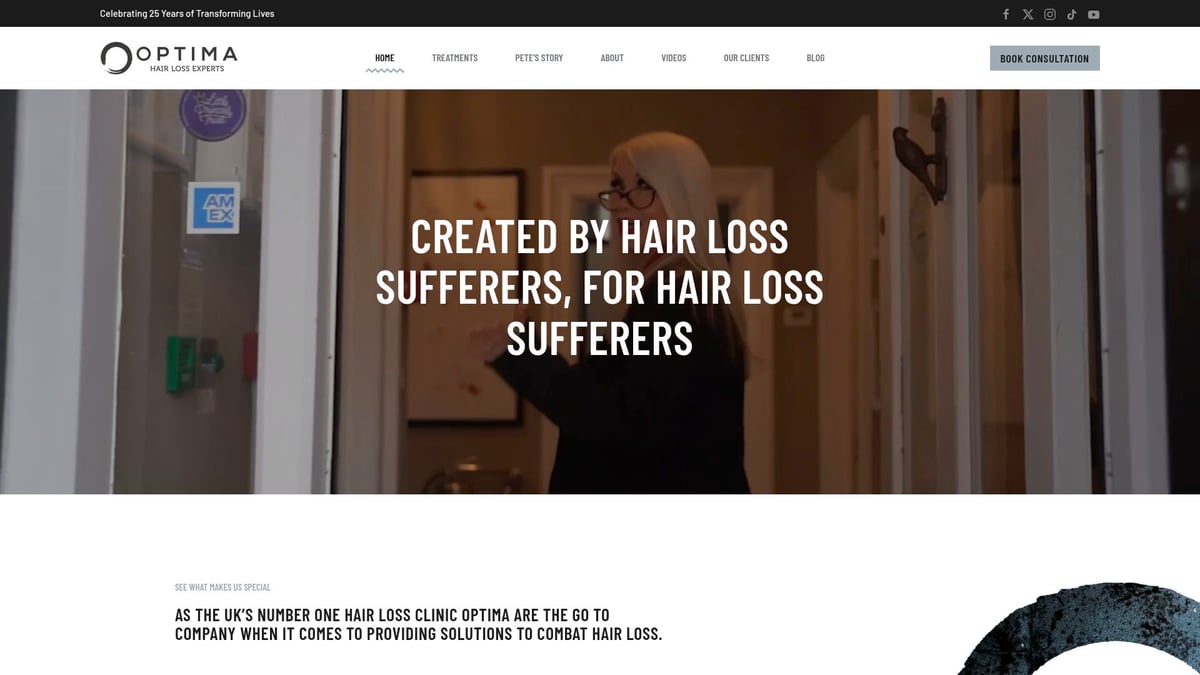
Using advanced, non-invasive tools, they assess your hair and scalp health with care. Mental well-being is a priority, and you’ll receive tailored advice and emotional support. Optima offers free, no-obligation consultations, helping you take the first step toward understanding and managing your hair concerns.
Preventing Excessive Shedding: Proactive Strategies
Losing hair can feel overwhelming, but you have more control than you might think. Understanding the root causes and taking action early can help manage men hair shedding before it becomes a bigger concern. By making small, positive changes, you can support both your scalp health and overall wellbeing.

Nutrition and Lifestyle Interventions
What you eat can have a real impact on men hair shedding. A balanced diet rich in protein, iron, vitamin D, B12, and zinc nourishes your hair follicles from within. Hydration is also key, as it keeps your scalp supple and supports healthy growth.
- Include leafy greens, nuts, eggs, and lean meats in your meals.
- Drink plenty of water daily.
- Consider the Mediterranean diet, which is linked to lower rates of shedding.
Recent studies show a 30% reduction in men hair shedding when people improve their diet and nutrition. Prioritising these nutrients can make a noticeable difference.
Stress Management and Sleep Hygiene
Stress is a well-known trigger for men hair shedding, especially in today’s fast-paced world. Chronic tension disrupts the hair growth cycle and can lead to increased shedding over time. Prioritising stress reduction and good sleep habits is essential.
- Try mindfulness, meditation, or yoga to lower stress.
- Aim for 7 to 8 hours of restful sleep each night.
- Regular exercise can also help balance stress hormones.
If stress is affecting your hair, managing stress-induced hair loss can guide you through practical steps. Many find that simple changes can halve men hair shedding within a few months.
Hair Care Routine Optimisation
Gentle care routines can prevent damage and reduce men hair shedding. The products you use, how often you wash, and your styling choices all play a role in hair health.
- Choose mild, sulphate-free shampoos and conditioners.
- Wash hair 2 to 3 times a week, using lukewarm water.
- Avoid harsh treatments like excessive heat, chemicals, or tight hairstyles.
Switching to a softer approach can reduce breakage and support a healthier scalp. Adjusting your habits may help slow men hair shedding and restore confidence.
Environmental Protection
Urban living exposes you to pollutants, UV rays, and hard water, all of which can worsen men hair shedding. Protecting your hair from these elements is a practical step towards prevention.
- Wear hats or use UV-protective sprays outdoors.
- Install a shower filter to reduce hard water minerals.
- Rinse hair after exposure to pollution.
People in cities report less men hair shedding when they take these protective measures. Small changes can shield your scalp and support stronger hair.
Medication and Supplement Use
Supplements and medications can be useful for men hair shedding, but it is important to rely on evidence-based options. Biotin, saw palmetto, and collagen are commonly used, yet not all products deliver results.
- Always consult a healthcare professional before starting supplements.
- Check for clinical evidence supporting the product.
- Avoid over-the-counter treatments with unproven claims.
A 2026 review found that consulting with professionals leads to better outcomes for men hair shedding. Choose wisely and prioritise safety.
Early Intervention: Recognising and Acting on Warning Signs
Catching changes in your hair early is crucial for managing men hair shedding. Monitoring your scalp and acting promptly can make a big difference in recovery.
- Keep track of any sudden or increased shedding.
- Note changes in texture, thickness, or scalp condition.
- Seek advice from a specialist if you notice warning signs.
Early intervention can turn things around, with many men experiencing full recovery from men hair shedding when they address issues quickly and seek expert support.
Expert Solutions for Men’s Hair Shedding in 2026
Facing men hair shedding can feel overwhelming, but you are not alone. With advances in science and support, there are now more expert solutions than ever before. Whether you are seeking medical treatments, lifestyle changes, or holistic therapies, this section will empower and guide you towards real, lasting results.

Medical Treatments and Innovations
For men hair shedding, medical interventions have made impressive progress. The latest prescription medications, such as finasteride and minoxidil, remain first-line treatments. In 2026, new topical agents and improved delivery systems have increased effectiveness while minimising side effects.
Low-level laser therapy is now widely used, offering a non-invasive way to stimulate hair follicles and slow shedding. Platelet-rich plasma (PRP) injections, using your own blood’s growth factors, show promising results in clinical trials. For those interested in understanding the root cause, Male pattern baldness insights provide valuable background on genetic and hormonal factors. Always consult a specialist before starting any prescription solution.
Non-Surgical Hair Restoration Options
If you want to avoid surgery, there are now more choices than ever for managing men hair shedding. Modern hair systems and wigs offer a natural look and increased comfort, with breathable materials and secure fits for everyday use.
Scalp micropigmentation creates the illusion of fuller hair by applying natural pigments to the scalp. This technique suits various types of hair loss and is gaining popularity among younger men. Testimonials highlight how these options restore confidence and allow men to enjoy active lifestyles without worry. Choosing non-surgical solutions can be life-changing, especially when tailored to your unique needs.
Advanced Technologies and AI-Driven Solutions
Technology is revolutionising the way we approach men hair shedding. AI-powered analysis tools can now examine hair density, scalp health, and even predict future shedding patterns. With smart apps, you can receive personalised care plans and monitor progress from home.
Robotics-assisted procedures, such as automated follicle mapping, help specialists deliver precise treatments with minimal discomfort. These advances mean you no longer have to guess what works best for your hair. AI ensures every step, from diagnosis to treatment, is tailored to you, making results more reliable than ever.
Holistic and Integrative Therapies
Taking a broader approach can bring powerful benefits for men hair shedding. Holistic therapies combine medical treatments with nutrition, stress management, and scalp care. Scalp massage, acupuncture, and aromatherapy are increasingly popular, with clinics reporting higher satisfaction rates when these are part of a comprehensive plan.
Integrative care acknowledges that hair health is linked to overall well-being. By addressing diet, lifestyle, and mental health together, you can create the best environment for your hair to thrive. This compassionate approach often leads to long-term improvements and greater self-confidence.
Professional Support and Ongoing Care
Managing men hair shedding is not just about treatments; it is also about ongoing support. Regular follow-up appointments allow for adjustments to your plan as your needs change. Mental health support, including counselling and support groups, is vital for coping with the emotional impact of hair loss.
Online communities can offer encouragement, share personal experiences, and provide practical tips. By seeking professional guidance and connecting with others, you gain strength and reassurance throughout your journey. Remember, early and consistent care makes a real difference.
Choosing the Right Solution: Factors to Consider
Finding the best way to address men hair shedding depends on several factors. Consider the severity of your shedding, its underlying cause, and your personal preferences. Cost, convenience, and maintenance are also key. Consulting a certified specialist is crucial for making informed choices.
Here’s a quick comparison:
| Solution Type | Best For | Maintenance | Cost |
|---|---|---|---|
| Medical | Genetic/hormonal loss | Moderate | ££ |
| Non-Surgical | Immediate appearance | Low | £-££ |
| At-Home | Early/mild shedding | Low | £ |
Weigh your options carefully and do not hesitate to ask questions. The right solution is the one that fits your lifestyle and goals.
Real-World Success Stories
Real men hair shedding journeys offer hope and inspiration. Case studies show that men who combine medical, non-surgical, and holistic approaches often achieve the best results. Many report significant reductions in shedding, improved hair density, and a renewed sense of confidence.
Testimonials from men who once struggled with hair loss now highlight satisfaction rates of up to 80 percent. Their stories prove that, with the right support and a tailored plan, it is possible to regain control and feel good about your hair again.
At-Home Care and Maintenance for Healthy Hair
Taking control of men hair shedding at home can feel empowering, especially when you are equipped with the right knowledge and tools. Gentle, consistent routines make a real difference. Let us explore practical ways to nurture your hair, boost scalp health, and track your progress—all from the comfort of home.
Daily Hair Care Best Practices
For men hair shedding, everyday habits lay the foundation for healthy hair. Start with gentle washing—avoid hot water and harsh scrubbing. Use a sulphate-free shampoo and a nourishing conditioner suited to your hair type. After washing, pat your hair dry with a microfibre towel to reduce friction and breakage.
When detangling, choose a wide-tooth comb. Brush softly, beginning at the tips and working up to the roots to prevent tugging. Limit the use of heat styling tools and avoid tying hair tightly. These simple steps help minimise unnecessary hair fall and support a healthier scalp environment.
Scalp Health and Stimulation
Scalp care is crucial for anyone managing men hair shedding. Regular scalp massages, even a few minutes daily, can increase blood flow and support hair growth. Use your fingertips in gentle, circular motions, or try a specialised scalp massager.
Incorporate natural oils like rosemary or peppermint. These can be mixed with a carrier oil and massaged into the scalp for added nourishment. Studies have shown that regular scalp massage may lead to thicker hair over time, giving you a stronger foundation for hair health.
DIY Remedies and What to Avoid
Many home remedies claim to solve men hair shedding, but not all are effective or safe. Tried-and-tested options like nourishing hair masks or natural oils can hydrate and strengthen strands. However, be cautious with viral internet trends—onion juice, for example, lacks strong scientific backing and can irritate sensitive scalps.
Before starting any at-home treatments, it is wise to understand the root cause of shedding. The Causes of hair loss in men guide offers valuable insights to help you make informed choices and avoid potentially harmful remedies.
Monitoring Progress and Adjusting Routine
Tracking your journey is key to managing men hair shedding effectively. Consider keeping a simple hair diary or using a smartphone app to log daily shedding patterns, product changes, and scalp condition. Take before-and-after photos every few weeks for visual comparison.
If you notice increased shedding, patches, or scalp changes, do not hesitate to seek professional advice. Adjust your routine as needed, and remember that early action often leads to better outcomes. Consistent monitoring helps you stay proactive and confident in your hair care approach.
Future Trends in Men’s Hair Shedding Solutions
The landscape of men hair shedding solutions is evolving rapidly, with cutting-edge science and shifting cultural attitudes shaping the future. If you are wondering what is on the horizon, here is a look at the key trends that will define 2026 and beyond.
Emerging Treatments and Research
Innovation is driving new hope for men hair shedding. Scientists are exploring advanced therapies like stem cell treatment, hair cloning, and gene editing, aiming to tackle the underlying causes of hair loss. Recent breakthroughs have identified rare genetic variants linked to male-pattern baldness, pointing to more targeted prevention and treatment strategies. For a deeper dive into these discoveries, see this study on rare genetic variants linked to male-pattern hair loss. Clinical trials in 2026 are also evaluating topical agents that promise fewer side effects and greater efficacy. These advances may soon transform how men hair shedding is managed.
Personalised and Preventative Approaches
Personalisation is becoming the gold standard for men hair shedding care. DNA-based risk assessments now allow experts to predict your likelihood of hair loss and design custom plans that fit your genetics and lifestyle. Direct-to-consumer genetic kits are making this technology accessible, enabling early intervention before shedding becomes severe. Prevention is also a growing focus, with plans that combine diet, stress management, and tailored products. This shift means you can take action sooner and more effectively, based on your unique profile.
The Role of Digital Health and Telemedicine
Digital health is revolutionising the way men hair shedding is diagnosed and treated. Telemedicine platforms now connect you with trichologists and dermatologists from the comfort of your home. AI-driven self-assessment tools can analyse scalp photos and track shedding patterns, making early detection easier than ever. The post-pandemic surge in teledermatology has made expert advice more accessible, especially for those in remote areas. This digital transformation empowers you to monitor progress and adjust your care plan with unprecedented convenience.
Societal Shifts and Acceptance
Attitudes toward men hair shedding are changing, with a growing movement towards self-acceptance and body positivity. Media campaigns increasingly feature men with bald or thinning hair, challenging outdated stereotypes and boosting self-esteem. Research highlights the importance of addressing the emotional and social effects of hair loss, especially in young men. For instance, a study on the psychosocial impact of receding hairlines in young men reveals how vital support and open conversation are for mental well-being. As stigma fades, more men are seeking help earlier and embracing a wider range of solutions.
After reading about the real causes of hair shedding and the latest solutions, you might feel a bit overwhelmed or even anxious—believe me, you’re not alone. Hair loss can affect how we see ourselves and how we feel day to day. The good news is, support is available from people who genuinely understand what you’re going through. If you’re ready to talk to someone who truly gets it, and who can help you find the best path forward—without any pressure or judgement—why not Book a Free Consultation? Your journey to confidence and healthier hair starts with just one friendly, no-strings chat.
