Are you noticing more hair on your pillow or in the shower? You are not alone. Hair problems in men are becoming increasingly common, affecting confidence and overall quality of life.
Recent studies show that up to 85% of men experience some form of hair loss by the age of 50. This guide offers expert-backed solutions for the most common hair problems in men, grounded in the latest research and treatments available in 2026.
Inside, you will discover the leading causes of hair loss, modern and effective solutions, prevention strategies, and professional advice for maintaining long-term hair health. Whether you are just starting to notice changes or searching for advanced answers, this guide is here to support you every step of the way.
The Most Common Hair Problems in Men
Hair problems in men are incredibly common and can affect anyone, regardless of age or background. Understanding the specific types and causes is the first step toward finding the right solution. Let’s explore the main issues men face with their hair and scalp, and how these challenges can impact confidence and everyday life.
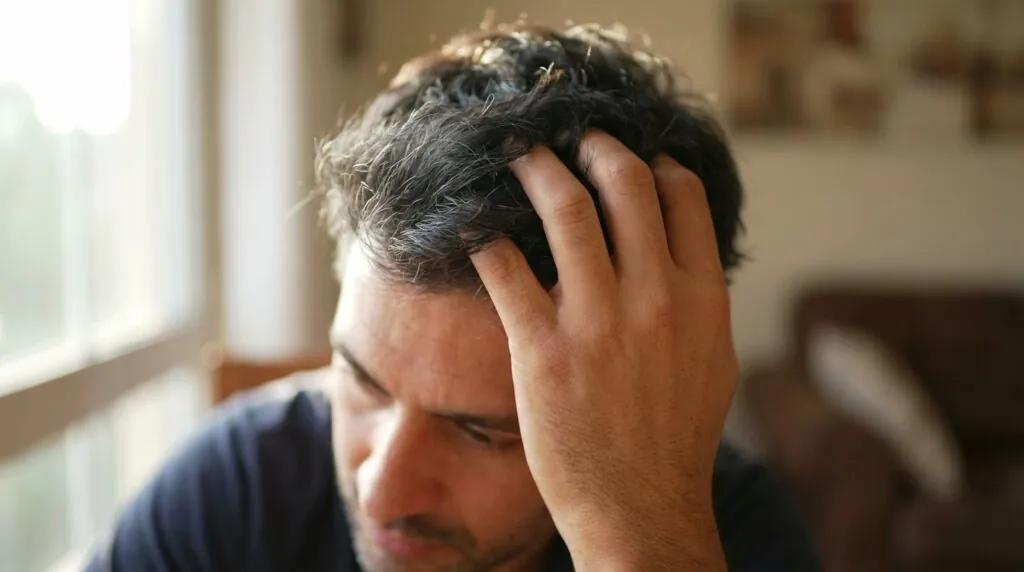
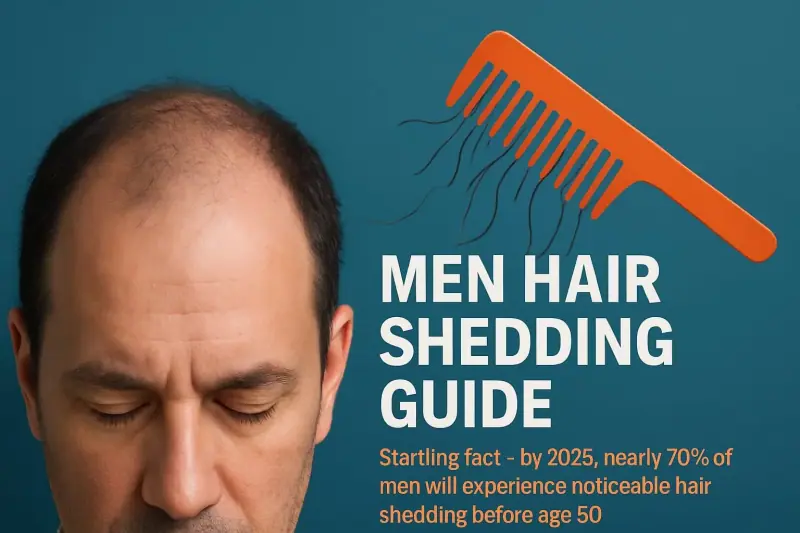
The hormone dihydrotestosterone (DHT) is central to the progression of male pattern baldness. DHT shrinks hair follicles, making it harder for healthy hair to grow. While some men may notice thinning in their 40s or 50s, others can see the first signs as early as their early 20s. The emotional impact can be significant, leading to stress, lowered self-esteem, and even anxiety.
If you’re looking for a deeper dive into this topic, the Male pattern baldness overview offers more details about causes, progression, and current treatment options.
Other Hair Loss Types: Alopecia Areata, Telogen Effluvium, and More
Not all hair problems in men are genetic. Alopecia areata is an autoimmune disorder where the immune system attacks hair follicles, causing patchy or sudden hair loss. This can appear as small round patches and sometimes progresses to more extensive loss.
Telogen effluvium is another common issue, usually triggered by stress, illness, or certain medications. It leads to increased shedding, often a few months after the trigger event. Scarring alopecias, though less common, result in permanent hair loss due to inflammation that destroys hair follicles.
Understanding the difference between temporary and permanent hair loss is vital. Some types resolve with time or treatment, while others may require ongoing management.
Scalp Conditions: Dandruff, Psoriasis, and Seborrheic Dermatitis
Scalp conditions are another major contributor to hair problems in men. Dandruff affects a large percentage of the male population, leading to visible flakes and itchiness. It’s often caused by a combination of oily scalp and yeast overgrowth.
Psoriasis is a chronic inflammatory condition that creates thick, silvery plaques on the scalp. This can be uncomfortable and sometimes painful. Seborrheic dermatitis, marked by redness, oiliness, and persistent itching, can also contribute to hair thinning and breakage if left untreated.
These scalp issues not only cause discomfort but can also make existing hair problems in men worse by weakening hair roots and increasing shedding.
Hair Shaft Problems: Breakage, Split Ends, and Texture Changes
The structure of the hair shaft itself can be affected by daily habits and environmental factors. Over-styling, frequent use of harsh products, and exposure to sun or pollution can all lead to breakage and split ends. As men age, hair texture may change, becoming coarser, thinner, or more brittle.
Chemical treatments, such as colouring or relaxing, can further damage hair fibres, making hair problems in men more noticeable. Being mindful of these factors is key to maintaining healthy hair.
Premature Greying and Colour Changes
Premature greying is often a source of concern and can begin as early as the late teens or twenties for some individuals. Genetics is the primary driver, but stress and nutritional deficiencies can also speed up the process.
For many, early greying affects self-image and may lead to unnecessary worry. However, it’s important to remember that grey hair is a natural part of ageing and does not necessarily indicate poor health.
Statistics and Trends for 2026
Recent data highlights a rise in hair problems in men, especially among younger age groups. Shifting lifestyles, increased stress, and environmental exposure all contribute to this trend.
Experts predict that these challenges will continue to grow over the next decade. Men are also more proactive than ever in seeking solutions, reflecting a broader cultural shift towards self-care and wellness.
Root Causes: Why Do Men Experience Hair Problems?
Facing hair problems in men can feel overwhelming, especially when the reasons behind them are so varied. Understanding what triggers these issues is the first step towards regaining control and confidence. Let’s explore the fundamental causes that affect men’s hair health, from genetics to lifestyle and beyond.
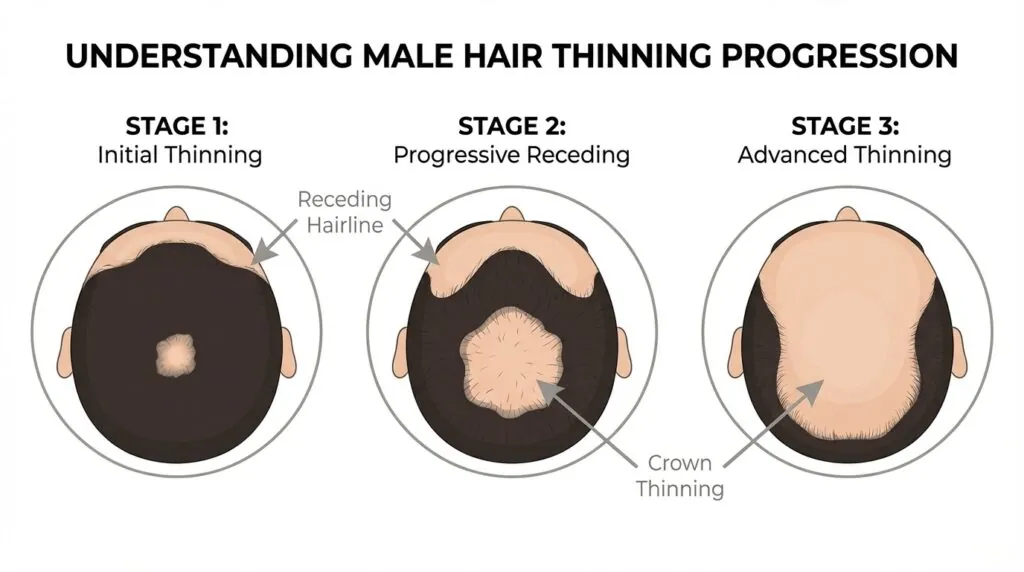
Some men notice changes as early as their twenties, while others experience gradual thinning later in life. Hormonal imbalances, including thyroid issues, can also disrupt the normal hair growth cycle and contribute to hair loss. These factors often work together, making it challenging to pinpoint just one cause.
If you’re noticing early signs, it’s important to remember that you’re not alone. Many men share this journey and support is available.
Lifestyle Factors: Diet, Stress, and Smoking
What you eat, how you manage stress, and whether you smoke all impact hair problems in men. Diets lacking in iron, biotin, or zinc can weaken hair strands and slow growth. Chronic stress sends more hair follicles into a resting phase, leading to noticeable shedding.
Smoking restricts blood flow to the scalp, which can accelerate thinning and dullness. Even habits like excessive alcohol use or crash dieting have an effect.
Small changes in daily routines can make a big difference, offering hope for those wanting to improve their hair health.
Medical Conditions and Medications
Certain medical conditions contribute significantly to hair problems in men. Autoimmune diseases, such as alopecia areata, cause the body to attack its own hair follicles, leading to patchy loss. Some medications, including chemotherapy drugs and beta-blockers, list hair loss as a side effect.
Chronic illnesses like diabetes and lupus can also disrupt the hair growth cycle. For a deeper dive into the different types of alopecia and what you can do about them, see this helpful resource on the Causes and treatment of alopecia.
If you’re dealing with a new diagnosis or medication, talk to your healthcare provider about what to expect and possible solutions.
Environmental and External Factors
Modern life exposes us to many external triggers that worsen hair problems in men. Pollution and UV rays damage both scalp and hair, making strands weaker and more prone to breakage.
Frequent use of styling products, heat tools, and chemical dyes further stresses hair. Even hard water—common in many UK areas—can leave mineral deposits that weigh down hair and make it more brittle.
Taking steps to protect your scalp from harsh elements and choosing gentle grooming routines can limit this type of damage.
Ageing and Natural Changes
As men age, it’s natural to notice changes in hair texture and density. The hair growth cycle slows down, so new growth doesn’t keep up with daily shedding. Hair may feel finer, and the scalp can become more sensitive or prone to dryness.
Older men are also at greater risk for scalp conditions, which can add to hair problems in men. While these changes are normal, they can still impact self-esteem.
Embracing ageing while caring for your hair helps maintain a sense of control and confidence.
Psychological Impact and Self-Esteem
The emotional toll of hair problems in men is real. Many experience anxiety or low self-worth when facing visible hair loss. Social stigma still exists, and it’s easy to feel isolated or self-conscious.
It’s vital to recognise that mental health matters just as much as physical health. Support groups, open conversations, and professional counselling can make a world of difference.
Remember, your worth is not defined by your hair. There are always ways to seek support and take positive action.
Latest Expert Solutions for Hair Problems in 2026
If you are struggling with hair problems in men, you are not alone. The world of hair restoration is advancing rapidly, with new treatments and technologies emerging each year. Here, we break down the latest expert solutions for every stage and type of hair problems in men, helping you make informed, confident choices.

In 2026, new options are in development, but only approved treatments are widely recommended. For a deeper dive into medically proven therapies and prevention tips, see this Preventing and treating hair loss guide. Remember, early intervention is key for managing hair problems in men, especially if you notice rapid changes.
Non-Surgical Interventions: Laser Therapy, PRP, and More
Non-surgical solutions are gaining popularity for treating hair problems in men, especially for those seeking less invasive options. Low-level laser therapy (LLLT) uses light energy to stimulate hair follicles and promote regrowth. Clinical studies show LLLT can slow thinning and improve hair density with regular use.
Platelet-rich plasma (PRP) therapy involves drawing your blood, concentrating the platelets, and injecting them back into your scalp. This boosts growth factors and can encourage regrowth in early-stage loss. Microneedling, which creates tiny channels in the scalp, is another emerging option that may enhance absorption of topical products. Always consult a specialist to see which approach suits your needs.
Surgical Solutions: Hair Transplants and Scalp Reduction
For advanced hair problems in men, surgical solutions can offer permanent results. The two main techniques are Follicular Unit Extraction (FUE) and Follicular Unit Transplantation (FUT). FUE involves extracting individual follicles and implanting them in thinning areas, while FUT removes a strip of scalp to harvest multiple follicles at once.
| Technique | Recovery | Scarring | Cost |
|---|---|---|---|
| FUE | 7-10 days | Minimal | Higher |
| FUT | 10-14 days | Linear | Lower |
Success rates are high, but not everyone is a candidate. Scalp reduction surgery is less common but may suit some cases. Always discuss risks, expectations, and recovery with a qualified surgeon before proceeding with any surgical solution for hair problems in men.
Cosmetic and Lifestyle Approaches
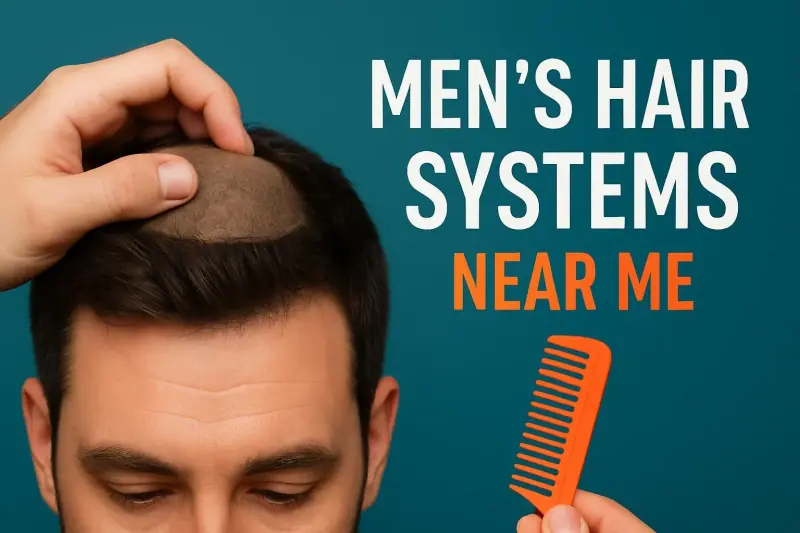
Many men facing hair problems in men turn to cosmetic options for immediate confidence. Hair fibres and thickening shampoos can disguise thinning, while root touch-up sprays help blend visible scalp areas. Advanced hair systems, wigs, and toupees have evolved, offering natural looks and discreet wear.
Styling tips also matter. Use volumising products, avoid heavy gels, and consider a shorter cut to create the illusion of thickness. Gentle handling during washing and brushing minimises breakage. These approaches can help maintain a positive self-image while you explore longer-term solutions.
Nutritional and Supplement Strategies
Nutrition plays a foundational role in addressing hair problems in men. Iron, biotin, zinc, and vitamin D are essential for healthy hair growth. Deficiencies in these nutrients can contribute to shedding and weak strands.
Evidence-based supplements may help if you lack specific nutrients, but steer clear of unproven pills promising miracle results. A balanced diet with plenty of lean protein, colourful vegetables, and whole grains is your best defence. If you suspect a deficiency, consult a healthcare provider before starting any supplement.
Natural and Alternative Therapies
Many men seek natural remedies for hair problems in men, hoping for gentle, side-effect-free solutions. Small studies suggest onion juice may promote regrowth in alopecia areata, with up to 74 percent success versus just 13 percent for placebo. Essential oils like rosemary and peppermint have shown promise in some trials, but results vary.
Scalp massage can boost blood flow, possibly supporting follicle health. While natural therapies can complement medical treatments, always look for evidence, and be wary of unregulated products. Discuss any alternative options with your doctor to ensure safety and effectiveness.
Myths, Misconceptions, and What to Avoid
When it comes to hair problems in men, misinformation abounds. Wearing hats or washing hair frequently does not cause hair loss. Avoid miracle cures, unregulated supplements, and treatments that lack scientific support. These can be costly and even harmful.
Instead, focus on proven strategies and seek advice from qualified professionals. Early diagnosis and tailored care offer the best chance for success. Remember, you are not alone, and support is available at every step of your journey.
Optima Hair Specialists: Non-Surgical Hair Loss Solutions for Men
Facing hair problems in men can feel overwhelming, especially when your confidence and daily life are affected. Optima Hair Specialists in Birmingham understand this deeply, as the company was founded by someone who personally experienced hair loss. With over 25 years’ experience, Optima has become a trusted name for men searching for real, non-surgical answers.
Their approach starts with a free, no-obligation consultation, where your concerns are heard and your hair and scalp are assessed. There’s no hard selling, just honest advice from professionals who genuinely care about helping men overcome hair problems in men.
Non-Surgical Solutions Tailored for You
Optima’s non-surgical options provide real results for hair problems in men without the downtime or risks of surgery. Their custom hair systems are designed to blend seamlessly with your natural hair, allowing you to live, work, and socialise with confidence.
For those worried about a receding hairline, Optima offers innovative techniques and personalised advice. You can learn more about effective approaches in their detailed guide on Solutions for a receding hairline.
Key solutions include:
- Custom-fitted hair systems for a natural appearance
- Laser hair growth therapy to stimulate regrowth
- Scalp micropigmentation for fuller-looking hair or a close-shaven effect
Advanced Therapies and Ongoing Support
Optima stays at the forefront of technology, offering science-backed laser hair growth therapy. This non-invasive treatment can help stimulate regrowth and improve scalp health, making it a valuable option for hair problems in men who are not ready for surgery.
Their scalp micropigmentation service provides a cosmetic option for those preferring a low-maintenance or shaven look. Every solution is supported by ongoing maintenance, refusion, and styling, ensuring your confidence stays high.
Trust, Results, and How to Get Started
What sets Optima apart is their lived experience and commitment to helping men feel better about themselves. They are actively involved in charity work, and their reputation is backed by national media coverage and glowing client testimonials.
If you are ready to take control of hair problems in men, booking a free consultation is the first step. Optima’s supportive team will guide you through every option, helping you find a path that suits your lifestyle and restores your self-assurance.
Preventing Hair Problems: Proactive Steps for Men
Taking care of your hair does not have to feel overwhelming or out of reach. By making small, consistent changes to your daily routine, you can help prevent many common hair problems in men. Let us explore simple, research-backed steps you can start today to protect your hair and boost your confidence.
Building a Hair-Healthy Lifestyle
A balanced lifestyle is the foundation for preventing hair problems in men. Start by eating a diet full of protein, leafy greens, nuts, and seeds, which help strengthen hair from the inside out.
Stay hydrated by drinking plenty of water. This keeps both your scalp and hair follicles healthy. Avoid crash diets, as sudden weight loss can trigger shedding.
Cutting back on alcohol and quitting smoking can make a big difference. These habits restrict blood flow and limit the nutrients reaching your scalp, worsening hair problems in men for years to come.
Scalp Care and Hygiene
Good scalp care can help stop hair problems in men before they start. Wash your scalp regularly using a gentle shampoo that matches your hair type. This removes oil, dirt, and product buildup that can clog follicles.
If you struggle with dandruff or sensitivity, choose a targeted shampoo. Exfoliating your scalp once a week can also improve circulation and support stronger hair.
Gently massaging your scalp while washing can boost blood flow, which is key for preventing many hair problems in men.
Smart Styling and Grooming Habits
How you style and groom your hair has a big impact on hair problems in men. Minimise heat styling by letting hair air dry when possible, and use a heat protectant if you must use dryers or straighteners.
Choose wide-tooth combs and avoid brushing wet hair aggressively, as this reduces breakage. Limit harsh chemical treatments like bleaching or relaxing.
Tight hairstyles such as ponytails or braids can cause traction alopecia. Opt for looser styles to reduce stress on your hair and scalp and keep hair problems in men at bay.
Managing Stress and Mental Health
Stress is a major trigger for hair problems in men, especially conditions like telogen effluvium. Practise daily stress-reduction techniques, such as deep breathing, mindfulness, or yoga.
Physical activity can help lower stress hormones and improve scalp circulation. If you feel anxious or down about your hair, reach out to a mental health professional or support group.
Remember, you are not alone—many men face hair problems in men, and seeking support is a sign of strength.
Early Detection and Professional Advice
Spotting changes early is crucial for managing hair problems in men. Pay attention to unusual shedding, changes in hair texture, or scalp irritation.
If you notice ongoing issues, book an appointment with a dermatologist or trichologist. Early intervention can improve your chances of keeping your hair healthy for the long term.
Professional advice ensures you get a tailored plan, so you do not have to navigate hair problems in men alone.
Expert Advice and Future Trends in Men’s Hair Health
Navigating hair problems in men can feel overwhelming, but expert guidance and rapidly advancing technology offer genuine hope. Staying informed about the latest research and seeking tailored advice can make all the difference for long-term confidence and wellbeing.
Insights from Trichologists and Dermatologists
Today, tackling hair problems in men begins with a thorough and personalised diagnosis. Trichologists and dermatologists stress the importance of understanding each individual’s unique hair and scalp profile.
Advanced scalp analysis tools, such as digital microscopes and AI-powered imaging, help pinpoint the root causes of thinning or loss. With accurate diagnosis, experts can recommend bespoke treatments rather than a generic approach.
Case studies show that men who seek professional guidance early often enjoy better outcomes. Addressing concerns promptly can slow progression, restore confidence, and support overall mental health.
Innovations in Hair Restoration for 2026
The landscape of solutions for hair problems in men is evolving rapidly. New therapies are emerging, offering hope even for those who have struggled with traditional options.
Cutting-edge treatments like ABS-201 hair loss treatment, a monoclonal antibody therapy, are showing promise in targeting the underlying causes of androgenetic alopecia. Meanwhile, GT-20029 androgen receptor degrader is being researched as a topical solution to block harmful hormonal effects on hair follicles.
These innovations are currently in clinical trials, and while not yet widely available, they represent the future of targeted, effective interventions. Staying informed about these advances empowers men to make proactive choices about their hair health journey.
The Rise of Personalised and Preventative Care
Personalisation is now at the forefront of managing hair problems in men. Genetic testing can reveal susceptibility to certain types of hair loss, allowing for earlier, more targeted prevention.
Custom supplement regimens, developed in consultation with specialists, address individual nutritional gaps. Preventative scalp treatments and digital health tracking tools help monitor changes over time, making it easier to spot early warning signs.
By embracing these proactive strategies, men can not only address current hair issues but also reduce their risk of future problems.
Societal Shifts and Changing Attitudes
Society’s perspective on hair problems in men is changing. There is growing acceptance of baldness and alternative styles, with many men now choosing to embrace their natural look.
Influencers, celebrities, and social media communities have played a key role in challenging outdated stereotypes. This shift is helping men feel more comfortable discussing their experiences and seeking support.
Mental health advocacy has also gained momentum, encouraging open conversations about self-image and providing reassurance that hair loss does not define one’s worth.
Resources and Support Networks
Finding trustworthy resources is crucial for anyone facing hair problems in men. Reputable clinics and registered specialists offer evidence-based care and advice.
Online forums and peer support groups provide a safe space to share stories, ask questions, and learn from others’ experiences. Educational materials, such as webinars and expert blogs, make it easier to stay updated on new treatments and coping strategies.
No one has to face these challenges alone. With the right support, it’s possible to take control and move forward with confidence.
If you’re feeling overwhelmed by hair problems, you’re not alone—we’ve covered just how common and emotionally tough these challenges can be for so many men. The good news is, real solutions are out there, and taking that first step towards help can make all the difference. At Optima Hair Specialists, you’ll find understanding professionals (who’ve been in your shoes themselves) ready to guide you with no pressure and genuine empathy. If you’re ready to explore what’s possible and want advice that’s tailored to you, why not Book a Free Consultation and start your journey towards renewed confidence?