
Women hair receding is a topic often overlooked, yet more and more women are speaking up about their hairline changes and seeking answers. Did you know that 1 in 3 women will face some form of alopecia during their lives? The emotional toll of hairline recession can be profound, affecting self-esteem and confidence.
This guide is here to support you with expert insights, proven solutions, and the latest advice tailored for women facing hairline changes in 2026. We will explore causes, symptoms, risk factors, diagnosis, and treatment options, plus prevention and lifestyle tips, to help you feel informed and empowered.
Understanding Women’s Hair Receding: Signs, Patterns & Early Symptoms
Many women are surprised to notice subtle changes at their hairline. If you are concerned about women hair receding, you are not alone. Although it is less common than in men, hairline recession can have a deep impact on how you see yourself and how confident you feel.
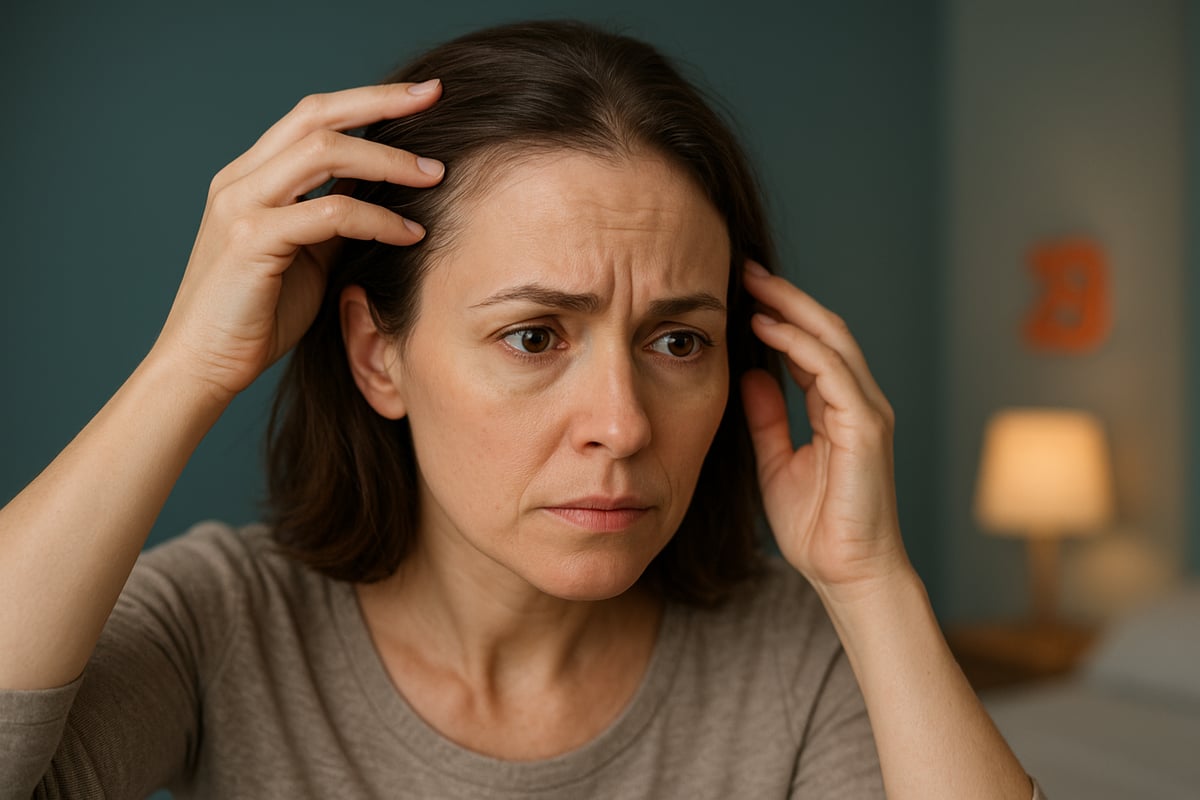
Recognising a Receding Hairline in Women
A receding hairline in women differs from general thinning. Instead of overall loss, you might notice distinct changes at the front of your scalp. Typical patterns include:
- M-shaped: Hair recedes at the temples, forming a gentle M outline.
- V-shaped: Central point recedes more than the sides.
- U-shaped: A rounded retreat across the entire front hairline.
Other signs of women hair receding are a widening part, more forehead showing, or thinning at the temples. These changes can alter facial proportions, sometimes making your forehead appear higher.
Unlike men, women rarely experience deep, dramatic recession. Female pattern baldness usually causes diffuse thinning, not a sharp retreat at the hairline. However, some conditions, like frontal fibrosing alopecia (FFA), target the hairline itself and affect about 1 in 142 women globally.
If you are unsure whether you are seeing typical thinning or genuine recession, this Receding hairlines in women guide explains the differences and what to watch for. Even subtle changes can progress over time and affect your self-esteem.
Stages and Progression of Female Hairline Recession
Women hair receding usually begins with mild thinning at the temples or frontal hairline. Over time, this can progress to a more noticeable retreat, especially with conditions like FFA or traction alopecia.
Progression varies by cause:
- FFA: Often starts as a thin band of loss along the front and sides, usually in postmenopausal women.
- Traction alopecia: Caused by tight hairstyles, this can be reversed if caught early.
- Telogen effluvium: Sudden shedding after stress, illness, or weight loss, sometimes making the hairline appear thinner.
The Ludwig Scale is often used to stage female hair loss, from mild thinning to advanced loss. Genetics, age, and underlying health all play a role in how women hair receding develops.
Early intervention can make a big difference, especially for reversible types. Noticing the pattern and speed of change is key to finding the right support.
Emotional and Psychological Impact
The emotional toll of women hair receding is often underestimated. Many women report a loss of self-confidence, feeling anxious, or withdrawing socially as their hairline changes.
Hearing from others can be reassuring. For example, women affected by FFA or traction alopecia often describe feeling isolated at first, but find comfort in support groups and peer communities.
Early action is vital, not just for hair health but for mental wellbeing. If you are struggling with women hair receding, remember there are resources and professionals ready to help you navigate both the physical and emotional sides of the journey.
Causes & Risk Factors of Hairline Recession in Women
Understanding why women hair receding occurs is essential for early intervention and prevention. While hairline recession is often associated with men, women face a unique mix of genetic, hormonal, medical, and lifestyle factors that can contribute to this distressing issue. Let’s explore the most common causes and risk factors, and how they might affect you or someone you care about.
Genetic and Hormonal Influences
Genetics play a major role in women hair receding, particularly through female-pattern hair loss (androgenic alopecia). If your mother or grandmother experienced thinning or a receding hairline, you may be at higher risk yourself. Hormonal changes are another significant factor. Menopause, perimenopause, pregnancy, and even starting or stopping birth control can all disrupt the delicate balance of oestrogen and androgens within your body.
When oestrogen levels decline, as they do during menopause, hair follicles become more sensitive to androgens. This can lead to thinning at the hairline or temples, and sometimes a more pronounced recession. In contrast, diffuse thinning is more common in women, but some do experience distinct shapes of recession. For a deeper dive into the root causes, you can read about the causes of hair loss in women.
If you notice changes in your hair during hormonal transitions, you’re not alone. Recognising these early can help you seek the right support.
Medical Conditions and Autoimmune Disorders
Certain medical conditions are closely linked to women hair receding, especially those involving the immune system. Frontal fibrosing alopecia (FFA) is a scarring condition affecting around 1 in 142 women worldwide. It causes gradual recession along the hairline, often with redness or irritation. Alopecia areata, which causes patchy bald spots, rarely targets the hairline but can sometimes be confused with other forms.
Endocrine disorders such as thyroid disease or polycystic ovary syndrome (PCOS) may disrupt normal hair growth and cause recession. Trichotillomania, a compulsive urge to pull out hair, can also result in permanent loss at the hairline if left untreated. If you have any of these conditions, monitoring your hairline is vital.
Lifestyle and External Factors
Everyday habits and styling choices can also trigger women hair receding. Traction alopecia is a leading cause, especially for women who wear tight ponytails, braids, or extensions. Repeated tension weakens follicles at the front and sides, resulting in thinning or recession.
Certain professions, such as dancers or athletes, may require frequent updos or headgear, increasing the risk further. These issues are particularly common in women of African descent, as well as in younger women who use hair extensions or tight styles. By recognising these risks, you can make small changes that protect your hairline.
Nutritional Deficiencies and Rapid Weight Loss
Nutritional health is closely tied to women hair receding. Key nutrients like iron, vitamin D, biotin, and zinc support strong, healthy follicles. If your diet is lacking, or if you’ve experienced rapid weight loss from restrictive diets or medications, your hairline may suffer.
Crash diets, eating disorders, and the use of certain medications for weight loss can all trigger telogen effluvium, a form of temporary shedding that may include the hairline. Restoring nutritional balance usually helps regrowth, but ongoing deficiencies may cause lasting changes.
Stress and Illness
Periods of physical or emotional stress can be powerful triggers for women hair receding. Telogen effluvium often follows major life changes, illness, or trauma, causing large numbers of hairs to enter the shedding phase at once. This may show up as thinning or even visible recession at the temples or forehead.
The good news is that hair usually regrows once the stressor is resolved. However, chronic stress or repeated episodes can make the problem worse. Building healthy coping strategies is vital for both your mental health and your hair.
Exogenous Factors and Medications
Some external treatments and medications can also play a role in women hair receding. Testosterone therapy, whether medical or gender-affirming, can cause male-pattern recession in women. Chemotherapy, certain antidepressants, and antihypertensive drugs may also impact hair growth and density.
It’s important to review your medication history with a healthcare provider if you notice new or worsening hairline changes. Early action can help you find alternatives or supportive treatments.
Diagnosis & Assessment: Professional Evaluation and Self-Checks
Understanding when and how to seek help for women hair receding can be the first step to regaining confidence and finding effective solutions. Early assessment is crucial, as catching the signs early often leads to better outcomes.
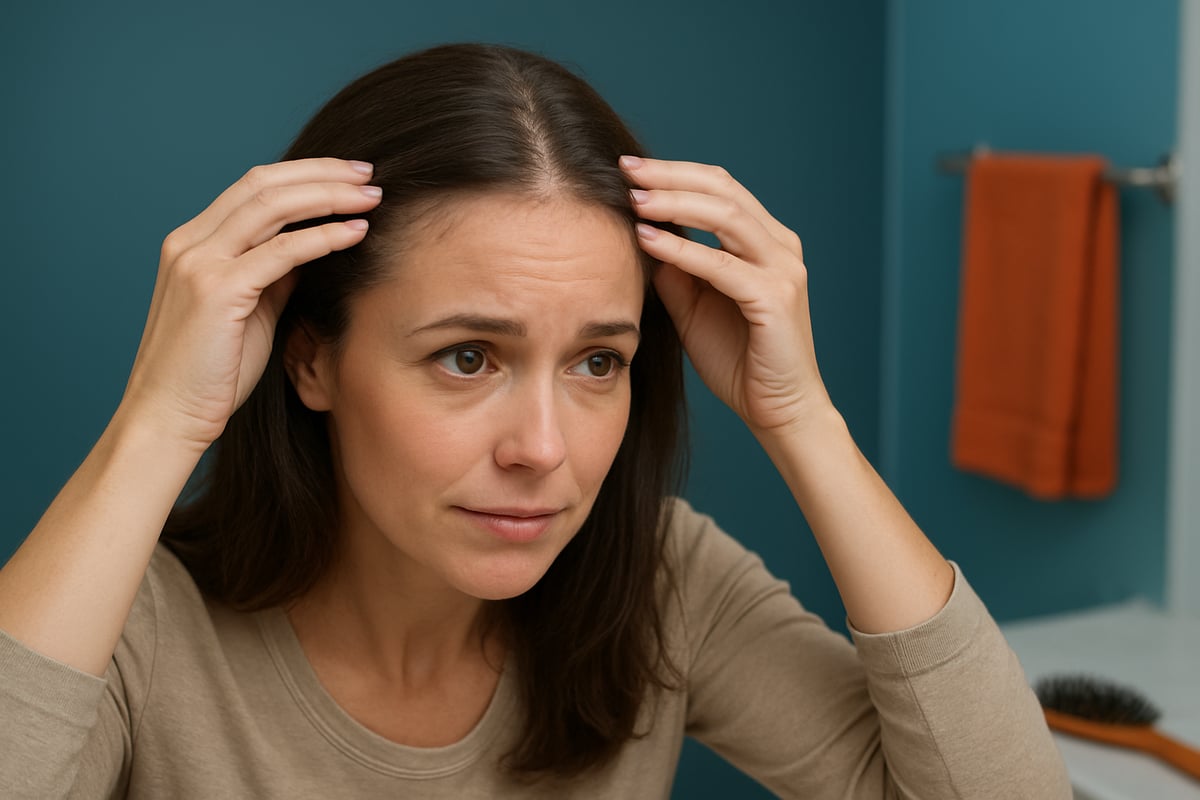
When to Seek Medical Advice
If you notice sudden, patchy, or rapidly worsening hair loss, it is essential to consult a healthcare professional. While women hair receding can progress slowly, any abrupt changes or visible scalp irritation should be checked as soon as possible.
Look out for these red flags:
- Sudden, dramatic thinning at the temples or across the hairline
- Signs of redness, scaling, or scarring along the frontal scalp
- Unusual patterns of loss, such as clumps or patches
Early intervention often makes a significant difference. Dermatologists, trichologists, or your GP can help pinpoint the cause and recommend the right next steps. Remember, seeking help early helps protect both your hair and your peace of mind.
Diagnostic Tools and Methods
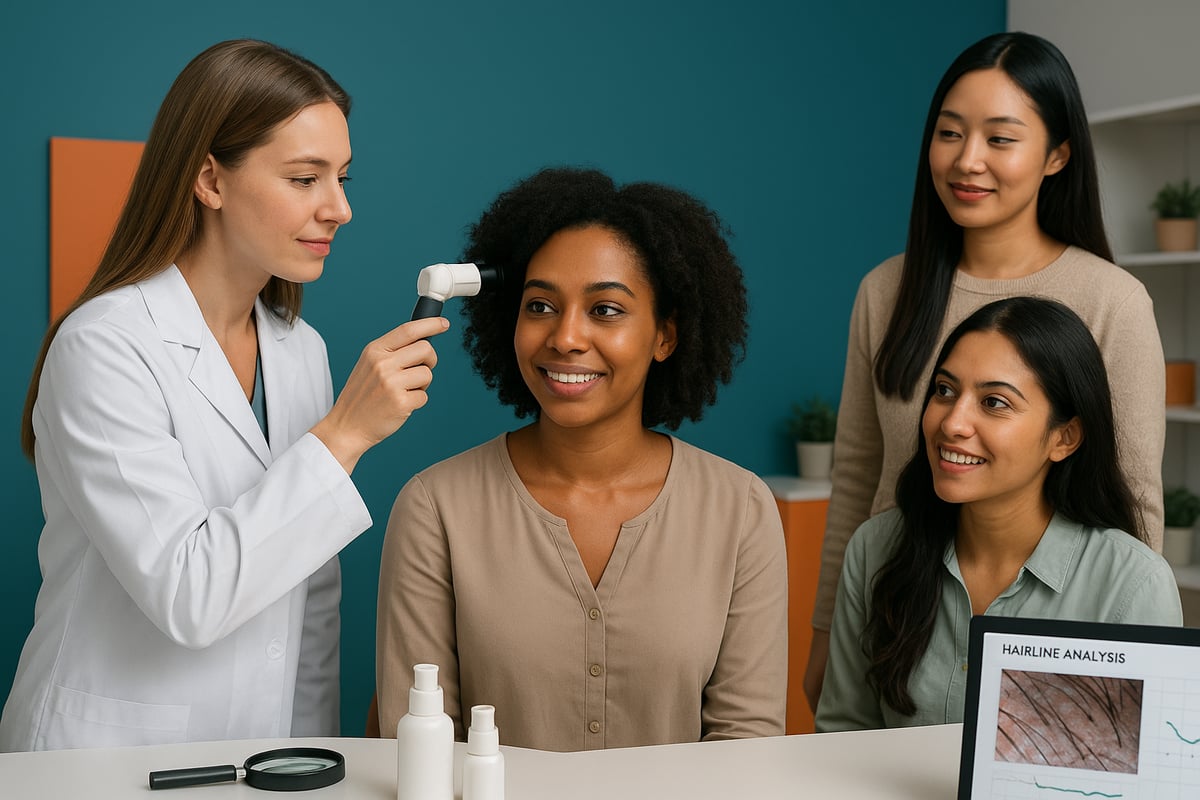
Specialists use a combination of history, examination, and modern tools to diagnose women hair receding accurately. A scalp examination identifies patterns, inflammation, or scarring. The pull test checks for active shedding, while trichoscopy uses magnification to spot subtle changes in follicles.
Sometimes, a scalp biopsy or blood tests are needed to rule out underlying issues like hormonal or nutritional imbalances. Family history and lifestyle factors also play a role in diagnosis.
For a deeper dive into signs, symptoms, and professional solutions, read this guide on Thinning hair in women solutions. Accurate diagnosis is the foundation for effective treatment and long-term hair health.
Self-Assessment Tips
Being proactive with self-checks empowers you to track changes in your hairline at home. Take regular photos in consistent lighting to spot gradual shifts in your hairline shape or density. Use a ruler or comb to measure the distance from your eyebrows to your hairline over time.
Keep a symptom diary. Note any triggers, stressors, or changes in your hair care routine. This information can be invaluable when discussing women hair receding with your specialist, making it easier to identify patterns or contributing factors.
Monitoring shedding and density with gentle brushing or during washing can also provide clues. Early awareness supports better outcomes and greater peace of mind.
Common Misdiagnoses and Overlapping Conditions
Several conditions can mimic or overlap with women hair receding, making expert evaluation vital. Diffuse thinning, which affects the whole scalp, differs from a receding hairline that impacts the temples or frontal edge.
Frontal fibrosing alopecia (FFA) can look similar to traction alopecia, but FFA often includes scarring and is more common in postmenopausal women. Traction alopecia usually results from tight hairstyles and can be reversed if caught early.
Specialists can distinguish between these conditions using detailed assessments. Understanding the differences helps you seek the right treatment and avoid unnecessary worry about women hair receding.
Expert Solutions: Medical, Non-Surgical & Surgical Treatments
Facing women hair receding can feel overwhelming, but there is hope. A growing range of expert-backed treatments and supportive strategies is now available. Let’s explore the latest medical, non-surgical, and surgical solutions designed to restore both hair and confidence.
Non-Surgical Treatments and Topical Solutions
For many experiencing women hair receding, non-surgical options are the first line of defence. Minoxidil (available over the counter) is clinically proven to slow recession and stimulate regrowth. It works by increasing blood flow and prolonging the hair growth phase. Consistency is key—results may take several months, but many women notice reduced shedding and new baby hairs over time.
Anti-androgen medications like spironolactone and finasteride are sometimes prescribed off-label. They target hormonal causes of women hair receding, particularly when linked to androgenic alopecia or menopause. These treatments require medical supervision, especially for women of childbearing age.
Regenerative therapies, such as PRF (Platelet-Rich Fibrin) and PRP (Platelet-Rich Plasma), use your own blood components to stimulate dormant follicles. These are administered via scalp injections and can be effective for early-stage women hair receding, often combined with other therapies.
Nutritional supplements—iron, vitamin D, biotin, and specific hair growth blends like Nutrafol or Viviscal—may support hair health, especially if deficiencies are identified. Low-level laser therapy devices can also boost follicle activity, offering a non-invasive home-based solution.
For a comprehensive overview of these options and more, see Effective hair loss treatments for women.
Here’s a quick comparison:
| Treatment Type | Example | Suitability | Notes |
|---|---|---|---|
| Topical | Minoxidil | Most women | Requires daily use |
| Oral | Spironolactone | Hormonal causes | Needs prescription |
| Regenerative | PRF/PRP | Early-stage loss | Multiple sessions |
| Supplements | Iron, biotin | Deficiencies | Check blood levels |
| Laser Therapy | LLLT devices | Maintenance | Consistent use needed |
Lifestyle Modifications and Preventative Strategies
Daily habits play a vital role in managing women hair receding. Simple changes can slow progression and even support regrowth.
Start by avoiding high-tension hairstyles like tight ponytails, braids, or extensions. These styles can cause traction alopecia, a preventable form of women hair receding. Opt for loose braids, buns, or protective wraps when possible.
Gentle hair care is crucial. Use mild shampoos, avoid excessive heat styling, and limit harsh chemicals. Detangle with care to prevent unnecessary breakage. Regular scalp massages may boost blood flow and encourage healthier hair.
Stress is a known trigger for hair shedding. Incorporate mindfulness, yoga, or therapy to help manage anxiety. Support groups and online communities offer encouragement and shared experiences, making the journey with women hair receding less isolating.
Nutrition matters, too. A balanced diet rich in iron, zinc, vitamin D, and protein supports hair growth. If you’ve experienced rapid weight loss or illness, focus on recovery and stabilising your weight, as this can reverse temporary hair thinning.
Medical Treatments for Underlying Conditions
Sometimes, women hair receding is the symptom of an underlying medical issue. Addressing the root cause is essential for lasting improvement.
Hormonal imbalances, such as those occurring during menopause, perimenopause, or with conditions like PCOS, may require targeted therapies. Hormone replacement therapy (HRT), thyroid medication, or PCOS-specific interventions can help restore hair density.
Autoimmune conditions, including frontal fibrosing alopecia (FFA), might need immunosuppressive treatments. Steroid injections, hydroxychloroquine, or other systemic medications can slow scarring and preserve existing hair. Early intervention is key, as some types of women hair receding caused by scarring are irreversible if untreated.
Trichotillomania, a psychological compulsion to pull hair, can cause permanent recession if not addressed. Behavioural therapy, counselling, and support groups provide valuable help for those struggling with this condition.
Consult a dermatologist, trichologist, or GP if you notice sudden, patchy, or rapidly worsening hair loss. Early assessment maximises the chances of effective intervention for women hair receding.
Surgical Solutions: Hair Transplant & Hairline Lowering
For some women hair receding cases, surgery offers a permanent and natural-looking solution. Hair transplant procedures, including Follicular Unit Extraction (FUE) and Follicular Unit Transplantation (FUT), involve relocating healthy follicles from denser areas to the thinning hairline. These methods are best for women with stable, non-progressive hair loss.
Hairline lowering surgery (forehead reduction) is another option, particularly for those with a naturally high hairline or receding temples. This procedure physically advances the hairline and is often performed under local anaesthetic. Recovery is typically quick, and results are immediate, though careful patient selection is vital.
Before considering surgery for women hair receding, it’s important to ensure hair loss has stabilised. Surgeons will assess donor hair quality and overall scalp health to determine candidacy. Surgery can offer life-changing results for the right individual, restoring both the hairline and self-confidence.
Advanced and Emerging Treatments (2026 Updates)
The landscape of women hair receding solutions is evolving rapidly, with new therapies emerging every year. Stem cell treatments, currently in clinical trials, aim to regenerate hair follicles using the body’s own regenerative cells. Early data is promising, but these options may not be widely available until further research confirms their safety and effectiveness.
Exosome therapy, another innovation, delivers regenerative signals directly to the scalp, stimulating dormant follicles and encouraging regrowth. Advances in genetic research may soon allow for truly personalised women hair receding treatments, tailored to your unique biology.
Non-surgical hair restoration continues to evolve, with improved laser devices, more effective topical formulas, and innovative nutritional supplements. Staying informed about these developments can empower women to seek the latest and most effective solutions.
No matter where you are on your journey with women hair receding, remember that support, expert care, and new hope are always within reach.
Prevention & Long-Term Hair Health: Daily Habits and Proactive Care
Caring for your scalp and hair every day is essential for preventing women hair receding. Simple, consistent habits can make a remarkable difference. By building a supportive routine, you can protect your hairline, boost confidence, and feel more in control of your hair health.
Building a Hair-Friendly Routine
Adopting a gentle hair care routine is one of the most effective ways to prevent women hair receding. Use a mild shampoo and conditioner designed for thinning or fragile hair. Avoid hot water, which can dry out the scalp, and detangle with a wide-tooth comb to reduce breakage.
Regular scalp massages help boost circulation and keep follicles healthy. Choose products with nourishing ingredients like biotin or keratin. For more on creating a routine tailored to female hair loss, explore this Female pattern baldness overview.
Protective Styling and Maintenance
Protective styling is vital for reducing stress on the hairline and preventing further women hair receding. Opt for loose braids, buns, or wraps that do not tug at the scalp. Avoid tight ponytails, frequent use of extensions, or chemical straightening, as these can weaken hair roots.
Schedule regular trims to remove split ends and keep hair looking healthy. If you style your hair often, use heat protection sprays and avoid excessive heat tools. These small steps can really support long-term hair health.
Nutrition and Wellness
A balanced diet is crucial for maintaining strong hair and preventing women hair receding. Prioritise foods rich in iron, vitamin D, biotin, and zinc. Hydration matters too, so drink plenty of water throughout the day.
Quality sleep and stress management play a direct role in hair growth. If you struggle to get enough nutrients from food alone, consider supplements after discussing with a healthcare provider. Remember, a healthy body supports a healthy scalp and hairline.
Monitoring and Early Intervention
Early detection is key for managing women hair receding. Take monthly photos of your hairline and note any changes in density, shedding, or shape. Keep a simple diary of your hair care routine, stress levels, and any new symptoms.
If you notice sudden or progressive hairline changes, consult a specialist promptly. Early action can prevent further loss and help you access effective treatments, especially for conditions like frontal fibrosing alopecia.
Support Networks and Resources
Facing women hair receding can feel isolating, but you are not alone. Seek out peer support groups, online communities, and reputable clinics for advice and encouragement. Sharing your experience with others can bring comfort and practical tips.
Consider speaking with a mental health professional if hair changes affect your wellbeing. Many women find reassurance and strength by connecting with those who truly understand the journey.
Real Stories, FAQs & Myths: Women’s Experiences and Expert Answers
Sharing real stories is vital when it comes to understanding women hair receding. Hearing from others who have walked this path can offer comfort, hope, and practical insight.
Real-Life Experiences and Case Studies
For many, women hair receding is a silent struggle. Take Sarah, who noticed her hairline thinning in her early 40s and felt her confidence waver. After consulting a specialist, she learned she had frontal fibrosing alopecia, a condition affecting 1 in 142 women worldwide. Stories like Sarah’s are echoed in the Frontal fibrosing alopecia study, which reveals the emotional and physical challenges UK women face.
Others, like Ayesha, experienced traction alopecia from years of tight hairstyles. Early intervention and gentle styling helped her regain control. These journeys remind us that support, understanding, and expert care can make a world of difference for those experiencing women hair receding.
Frequently Asked Questions
Curious about women hair receding? Here are some answers to the most common questions:
- Is a receding hairline reversible in women?
In some cases, yes. Early traction alopecia or telogen effluvium can often be reversed with prompt care, but conditions like FFA may cause permanent changes. - How long does it take to see results from treatments?
Patience is key—most women notice improvement in 3–6 months, depending on the approach. - Are hair transplants safe and effective for women?
Hair transplants can be highly effective, especially for stable hair loss or naturally high foreheads. Learn more about hairline restoration differences in men and women. - Can lifestyle changes truly make a difference?
Absolutely—gentle hair care, balanced nutrition, and stress management play a big role in women hair receding. - What are the risks of doing nothing?
Delaying action may allow further progression, making treatment more challenging later.
Debunking Common Myths
Misconceptions about women hair receding can add to the stress. Let’s set the record straight:
- “Only men get receding hairlines.”
Women can also experience hairline recession, although it often looks different. - “Wearing hats or washing hair too often causes recession.”
There is no evidence to support this myth. - “All hair loss is permanent.”
Many causes of women hair receding are treatable, especially if caught early. - “Supplements alone can regrow hair.”
While nutrition is important, supplements are rarely a cure-all.
Understanding the truth helps women make informed decisions and take positive steps forward.
Resources for Further Help
Support and information are crucial for anyone facing women hair receding. Consider these resources:
- UK clinics and trichologists: Seek out reputable professionals for diagnosis and personalised treatment.
- Charities: Organisations like Alopecia UK offer support, education, and advocacy.
- Online communities: Forums and social media groups connect women for peer support and shared advice.
- Mental health resources: Counsellors and therapists can help address the emotional impact of women hair receding.
Remember, you are not alone—help and hope are always available.
If you’ve made it this far, you probably recognise just how real and life changing women’s hair recession can be. Whether you’re only just noticing changes or you’ve been struggling for a while, remember you’re not alone—and there are caring experts ready to listen. At Optima Hair Specialists, we get how tough this journey can feel, because we’ve walked it ourselves. If you’re ready to talk about your options or just want some friendly advice, you can Book a Free Consultation with our team. We’re here to support you, judgement free, every step of the way.
