
Did you know that hair loss now affects over 8 million women in the UK and is rapidly rising among younger people? In 2026, more people than ever are turning to the latest hair loss system innovations to reclaim their confidence and transform their lives.
This guide offers expert insights on every aspect of choosing a hair loss system. You will discover the real causes of hair loss, explore the newest types of systems, learn about recent breakthroughs, and find advice from leading specialists.
Ready to feel empowered? Dive in and uncover inspiring success stories, practical tips, and the expert knowledge you need to make the best decision for your hair and wellbeing.
Understanding Hair Loss in 2026
Hair loss can feel like an overwhelming journey, but you are not alone. In 2026, more people are seeking answers and solutions than ever before. Understanding what drives hair loss and the science behind new options is the first step to finding the right hair loss system for you.

Key Causes and Trends
Hair loss is a complex condition with many contributing factors. Genetics play a leading role, with male and female pattern baldness affecting millions in the UK. Hormonal changes, such as those during menopause, pregnancy, or thyroid issues, also trigger hair shedding. Medical conditions like alopecia, cancer treatments, and compulsive hair pulling (trichotillomania) can cause sudden or gradual loss.
Stressful lifestyles, poor nutrition, and pollution have become increasingly significant, especially among younger people. Over 8 million women in the UK are affected, and the numbers are rising among those under 30, highlighting a shift in demographics (Hair Loss Statistics 2025). The social and psychological impact is profound, often leading to reduced confidence and withdrawal from social life. As a result, the demand for discreet and effective hair loss system options is growing rapidly.
Advances in Diagnosis
Diagnosis in 2026 is more precise than ever. Trichoscopy and AI-powered scalp analysis provide detailed images and data about hair density and scalp health. Personalised assessments, including DNA testing and hormonal profiling, help identify the root cause of your hair loss.
Early detection is key to maximising treatment outcomes. Dermatologists and trichologists now use advanced tools to spot early warning signs, allowing for timely intervention and a tailored hair loss system. This high-tech approach empowers you to make informed decisions and take control sooner.
The Emotional Journey of Hair Loss
The emotional impact of hair loss can be just as significant as the physical changes. Many people experience shock and denial when they first notice thinning or bald patches. Acceptance often comes later, sometimes after a period of grief or frustration.
Support networks, such as online forums and in-person counselling, play a vital role in helping individuals process these emotions. Day-to-day life and self-esteem can suffer, but empathetic care and guidance can make all the difference. Finding the right hair loss system is not just about appearance, it is about restoring confidence and quality of life.
The Shift Towards Non-Surgical Solutions
In recent years, there has been a clear move toward non-invasive treatments. Traditional wigs and surgical procedures often fall short in terms of comfort and natural look. Many now prefer a bespoke hair loss system, which offers a personalised, undetectable solution.
These systems are designed for everyday life, with innovations making them more comfortable and secure. The result is greater freedom and confidence, allowing you to live life without compromise. The rise of these solutions marks a new era in how we approach hair loss.
Types of Hair Loss Systems Available
Choosing the right hair loss system can feel overwhelming, especially with so many new options in 2026. Each type is designed to meet different needs, lifestyles, and hair loss patterns. Let’s explore the main types, their benefits and challenges, so you can find a solution that truly fits you.
Strand-by-Strand Systems
A strand-by-strand hair loss system uses microbead, micro-link, or fusion techniques to attach individual hair strands to your natural hair. This approach is ideal for those with partial or diffuse hair loss who want a seamless look.
Pros:
- Very natural appearance
- Highly customisable to your hair colour and texture
Cons:
- Requires regular maintenance
- Possible tension on natural hair if not fitted properly
For example, House of Hair UK’s microbead track system is popular because it offers a tailored fit and blends beautifully with your existing hair. This hair loss system is a great option if you want flexibility and a discreet finish.
Weft/Tracked Systems
Weft or tracked systems involve attaching rows of hair (wefts) to tracks created in your natural hair using microbeads, braiding, or stitching. This hair loss system is well-suited for those with thinning hair but not complete baldness.
Benefits:
- Secure fit, even during active lifestyles
- Adaptable as your hair changes
Challenges:
- Requires periodic adjustment and tightening
- Not suitable for total hair loss
A weft/tracked hair loss system can be a practical, straightforward choice if you want something that feels secure and blends with your day-to-day activities.
Hair Integration Systems
Hair integration systems are designed to blend your natural hair with a custom-made mesh or base, allowing your own hair to be pulled through and mixed with the added hair. This method is tailored to your specific hair type and loss pattern, making it a favourite for women and trans clients.
Advantages:
- Breathable and comfortable for daily wear
- Undetectable, even up close
These systems are especially popular for their bespoke nature and inclusivity. If you want to learn more about custom solutions for women, explore Women’s hair loss system solutions for real examples and options available in the UK.
Non-Surgical Hair Replacement Units
Non-surgical hair replacement units are full or partial systems attached to your scalp using medical-grade adhesives or clips. Made from human hair or synthetic blends, these units typically last 4 to 12 months, depending on care and materials.
Suitable for:
- Total or extensive hair loss
- Those seeking an alternative to traditional wigs
Comparison:
- More natural and secure than standard wigs
- Requires ongoing maintenance and professional fitting
This hair loss system is ideal if you need a complete transformation with minimal downtime.
Innovations in 2026 Hair Loss Systems
The world of hair loss system technology is rapidly evolving. In 2026, smart materials with breathable, hypoallergenic bases are now standard. 3D printing enables fully custom fits, while scalp health sensors track skin health and comfort.
Key innovations:
- Enhanced adhesives for longer, more secure wear
- Sustainable sourcing of human hair
- Eco-friendly materials and recycling initiatives
These advancements mean your hair loss system is now more comfortable, safer, and kinder to the planet than ever before.
Step-by-Step Guide: Choosing the Right Hair Loss System
Embarking on the journey to find the ideal hair loss system can feel overwhelming, but you are not alone. This step-by-step guide breaks down the process into clear, manageable stages. By following each step, you will be empowered to make informed, confident decisions about your hair restoration journey.
Step 1: Assessment and Consultation
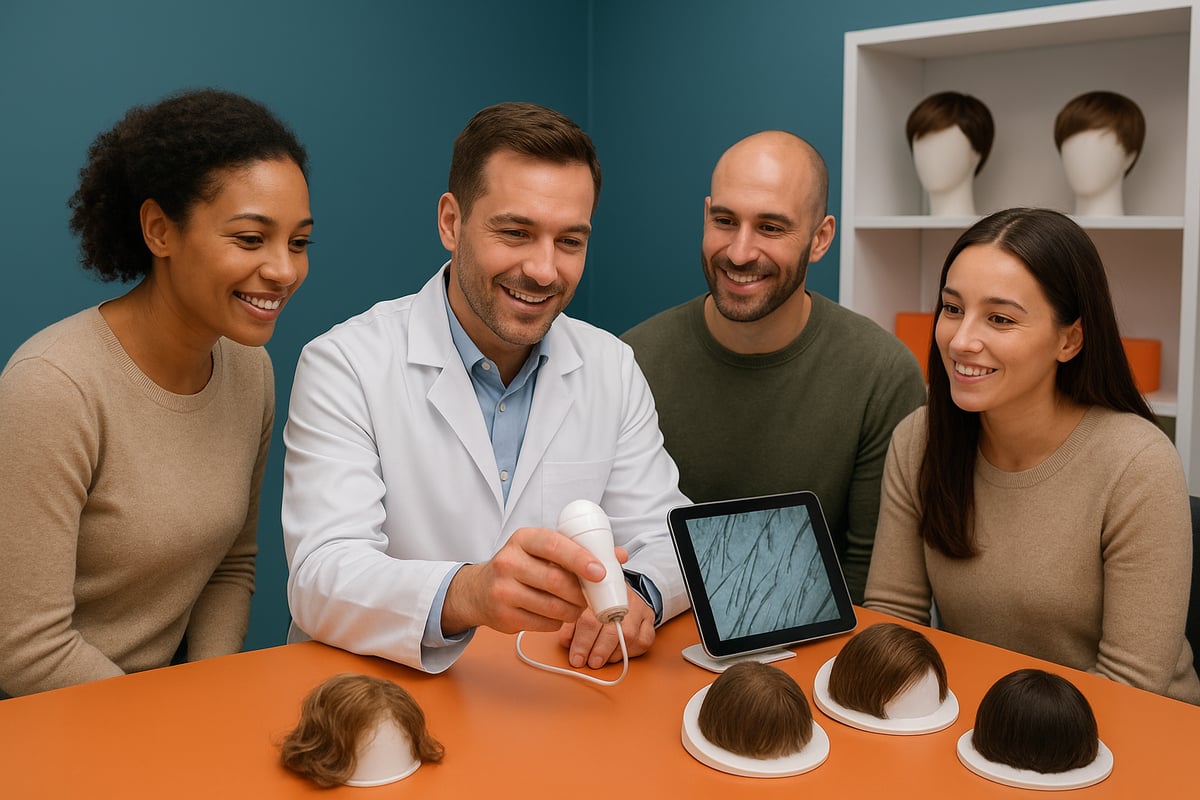
The first step in choosing a hair loss system is a thorough assessment by a qualified professional. During your consultation, expect a detailed scalp analysis, discussion about your lifestyle, and a review of your medical history.
You will likely meet with a trichologist or a specialist at a dedicated clinic. Come prepared with questions such as:
- Which hair loss system options suit my type of hair loss?
- How will my daily routine impact my choice?
- What results can I realistically expect?
Remember, this stage is about understanding your unique needs and setting the foundation for a tailored solution.
Step 2: Customisation and Design
Once your assessment is complete, the next step is customisation. Your hair loss system should reflect your hair colour, texture, and density, as well as your personal style and lifestyle needs.
Modern clinics use 3D scalp mapping and digital modelling to ensure a precise fit. You will be involved in selecting base materials and attachment methods, such as microbeads or adhesives.
This collaborative process ensures your hair loss system looks and feels natural, so you can move forward with confidence.
Step 3: Fitting and Installation
Fitting your hair loss system is a crucial milestone. Your specialist will prepare your scalp, often with a gentle cleanse, and section your natural hair for a seamless blend.
Installation may take a few hours, depending on the system type. You should experience minimal discomfort, and your specialist will guide you through immediate aftercare.
During your first fitting, ask questions about comfort, durability, and styling, ensuring your new look feels secure and natural.
Step 4: Maintenance and Aftercare
Proper care is vital for extending the life of your hair loss system. Daily routines include gentle brushing, washing with sulphate-free shampoo, and careful styling.
Professional maintenance is typically required every 4 to 8 weeks for adjustments and deep cleaning. For more detailed advice, see Hair system maintenance and aftercare, which covers essential tips to keep your system looking its best.
Investing in recommended products and regular check-ups will help you enjoy your hair loss system for as long as possible.
Step 5: Troubleshooting and Adjustments
Even with the best care, you may encounter challenges with your hair loss system. Common issues include slippage, itching, or mild irritation.
If you notice any discomfort or changes in your natural hair, consult your specialist promptly. Tips for prolonging your system’s lifespan include following aftercare advice and adapting as your hair loss pattern evolves.
Remember, adjustments are normal and part of ensuring your hair loss system continues to meet your needs.
Step 6: Long-Term Support and Upgrades
Choosing a hair loss system is not a one-time decision. Building a lasting relationship with your provider gives you access to upgrades as technology advances and your needs change.
Many clinics offer support groups, mental health resources, and community events. Planning for future adjustments or new systems ensures you always feel supported and confident.
Your journey does not end with installation. Ongoing care and upgrades keep your hair loss system fresh and in line with your evolving lifestyle.
Expert Insights: What to Expect from Hair Loss Systems in 2026
The world of hair loss system solutions is evolving rapidly, offering hope and transformation for people across the UK. In 2026, expert insights reveal a landscape shaped by technology, personalisation, and holistic care. If you are considering a hair loss system, understanding what lies ahead can help you make the most informed, confident decisions.

Customisation and Personalisation
Customisation is at the heart of every hair loss system in 2026. Today’s clients expect solutions that are meticulously tailored to their hair type, lifestyle, and personal goals. Artificial intelligence now plays a key role in designing each hair loss system, ensuring that every detail matches the client’s unique needs.
Expert clinics use 3D scalp mapping and digital modelling to create a perfect fit, while also considering future changes in hair loss patterns. If you want to explore why these bespoke, client-centric options are so popular, why hair systems are a great solution provides a deeper dive into the benefits of modern non-surgical choices. The result is not just a hair loss system, but a transformation in how you see yourself each day.
Safety and Scalp Health
Safety is a top priority for anyone seeking a hair loss system. In 2026, hypoallergenic materials and medical-grade adhesives are standard, greatly reducing the risk of irritation or allergic reactions. Many systems now feature scalp health sensors, offering digital checkups to monitor for any signs of infection or discomfort.
Professional fitting and regular maintenance are crucial to ensure your hair loss system remains safe and comfortable. Dermatologists and trichologists work closely with clients, providing guidance on scalp care routines. This proactive approach supports both the longevity of your hair loss system and your overall scalp health.
Longevity and Durability
A modern hair loss system is designed to last, thanks to advances in material science and manufacturing. New fibres and bases can withstand daily wear while maintaining a natural look. With proper care, systems can last from several months up to a year, making them a cost-effective alternative to surgical options.
Here is a quick comparison of maintenance tips and benefits:
| Maintenance Tip | Benefit |
|---|---|
| Regular cleaning | Reduces build-up |
| Professional checkups | Prevents early wear |
| Gentle products | Maintains appearance |
| Timely adjustments | Extends system lifespan |
By following these steps, you ensure your hair loss system remains secure, attractive, and durable over time.
Psychological and Social Benefits
Choosing a hair loss system is about more than just appearance. It is a step towards reclaiming confidence and embracing life with renewed self-esteem. Many clients describe their journey as transformative, impacting all areas of their social and professional lives.
Key benefits include:
- Restoring a sense of normalcy after hair loss
- Enhancing confidence in social situations
- Supporting mental wellbeing during recovery from medical treatments
Real-life stories from cancer and alopecia survivors show how a hair loss system can be a powerful tool for emotional healing. Each person’s experience is unique, but the positive impact is undeniable.
Cost, Accessibility, and Insurance
Understanding the financial side of a hair loss system is important for making an informed choice. In 2026, price ranges vary depending on the type and customisation, but more clinics now offer transparent pricing and flexible payment plans.
Insurance coverage for medical hair loss is expanding, especially for conditions like alopecia or after chemotherapy. Improved accessibility means more specialist clinics across the UK, and tele-consultations make expert advice available wherever you are. These changes ensure that a high-quality hair loss system is within reach for more people than ever before.
Professional Support: The Role of Clinics and Specialists
Finding the right professional support can make all the difference when choosing a hair loss system. With so many options available, selecting a clinic and specialist who truly understands your needs is crucial. Compassionate guidance helps you navigate this journey with confidence, ensuring you receive the care and solutions you deserve.
Why Professional Guidance Matters
Choosing a hair loss system without expert input can lead to disappointing results or even damage to your scalp and hair. DIY kits or unqualified providers may seem tempting, but they often lack the knowledge to match systems to your unique needs.
Expert specialists bring years of experience, empathy, and advanced diagnostic skills. They create personalised treatment plans, helping you find a hair loss system that fits your lifestyle and goals. This professional care leads to better outcomes and long-term satisfaction.
What to Look for in a Hair Loss Clinic
Not all clinics are equal, so it’s important to know what to look for when selecting a provider for your hair loss system:
- Qualified practitioners with experience in hair restoration
- A wide range of hair loss system solutions tailored to different needs
- Clear, upfront pricing and a transparent consultation process
- Strong aftercare and ongoing support for adjustments and maintenance
A trustworthy clinic will prioritise your comfort and privacy, guiding you at every step.
Optima Hair Specialists: Setting the Standard in Non-Surgical Hair Loss Solutions
Optima Hair Specialists stands out as a leader in the field, with over 25 years’ experience supporting those affected by hair loss. Founded by individuals who have faced hair loss themselves, Optima offers bespoke hair loss system solutions, laser therapy, and scalp micropigmentation.
They welcome everyone, including men, women, trans clients, and children. Optima’s approach is inclusive and pressure-free, providing free consultations and discreet, empathetic care. Their involvement with cancer patients, children, and local communities, along with national media recognition, highlights their trusted reputation.
Questions to Ask Your Specialist
Before committing to a hair loss system, ask your specialist these key questions:
- Which hair loss system is most suitable for my specific type of hair loss?
- What is the recommended maintenance schedule?
- Can I view real client hair system results to understand potential outcomes?
- What support is available if I encounter issues?
- How will my system be updated as new technology becomes available?
These questions ensure you make informed choices and feel supported throughout your journey.
Real-Life Transformations and Success Stories
Real-life journeys with a hair loss system are often emotional, inspiring, and deeply personal. For many, finding the right hair loss system is about reclaiming confidence and embracing a new chapter. Let’s explore how these systems are changing lives across the UK.
Female Hair Loss Solutions
Thousands of women in the UK have experienced transformation thanks to a bespoke hair loss system. For example, House of Hair UK has supported women facing alopecia, menopause, and chemotherapy, giving them renewed confidence.
One client, after chemotherapy, described her hair loss system as “a lifeline, restoring my sense of self when I needed it most.” These solutions blend seamlessly with natural hair, allowing women to style, wash, and live life without restriction.
Advances in non-surgical treatments, such as Advancements in Non-Surgical Hair Loss Treatments, offer hope for even more effective options. With these innovations, more women are returning to work, socialising, and enjoying activities they once avoided.
Male and Transgender Client Experiences
Hair loss can affect anyone, but for men and transgender clients, a hair loss system can be life-changing. Overcoming male pattern baldness or affirming gender identity is about more than just appearance—it’s about dignity and self-worth.
One transgender client shared how their custom hair loss system “helped me see myself as I truly am.” Men often report feeling younger and more confident, especially with systems that mimic natural hairlines and density.
New treatments and knowledge about DHT blockers, such as those discussed in DHT Blockers in Hair Loss Treatment, are making it easier to address different patterns of hair loss. This inclusive approach ensures everyone can access a solution that fits their needs.
Children and Young Adults
A hair loss system can be especially meaningful for children and young adults facing conditions like paediatric alopecia or trichotillomania. These young clients need solutions that are gentle, secure, and adaptable to growth.
One family described how a custom hair loss system allowed their daughter to “feel normal at school again.” Systems for children are designed with sensitivity, ensuring comfort and confidence during crucial years.
Support extends to parents and schools, with education about maintenance and emotional well-being. By addressing hair loss early, young people can focus on learning and friendships, not just their appearance.
Community and Support Networks
Finding the right hair loss system is just the start. Many clients find strength in peer support groups and online forums, where shared experiences help reduce isolation. Mental health resources, including counselling and charity programmes, add another layer of support.
Charity initiatives often provide free or subsidised systems for those in need, especially children and cancer patients. Community events and awareness campaigns help destigmatise hair loss, encouraging more people to seek help.
With the right hair loss system and a supportive network, transformation goes far beyond the mirror—it touches every aspect of life.
Future Trends in Hair Loss Systems
The future of the hair loss system industry is bright, filled with innovation, compassion, and hope. As we look ahead, new technologies, ethical approaches, and greater accessibility are shaping a landscape where everyone can find a solution tailored to their needs. Let’s explore what’s on the horizon for hair loss systems in 2026 and beyond.
Technological Innovations
Technology is revolutionising the hair loss system industry. AI-driven diagnostics now enable specialists to assess scalp and hair health with remarkable precision. For example, methods like Acoustic Scattering AI for Hair Assessment offer non-invasive, data-rich scalp analysis, helping match clients with the best hair loss system for their needs.
Smart hair systems are emerging, with embedded health sensors monitoring scalp conditions in real time. 3D printing allows for custom-fit bases, improving comfort and natural appearance. Biocompatible materials reduce irritation, making every hair loss system safer and more effective.
| Innovation | Impact |
|---|---|
| AI diagnostics | Personalised, early detection |
| Smart systems | Health monitoring, adaptive fit |
| 3D printing | Perfect customisation |
| Biocompatible materials | Comfort, reduced irritation |
Sustainability and Ethical Sourcing
Sustainability is becoming central to every hair loss system. Manufacturers are shifting towards eco-friendly base materials and packaging to reduce environmental impact. Ethical sourcing of human hair, with traceable supply chains and fair trade practices, gives clients peace of mind about their choices.
Recycling and upcycling of old hair systems are now possible, reducing waste and supporting a circular economy. Many clinics proudly display their sustainability commitments, ensuring your hair loss system aligns with your values.
- Eco-friendly materials (bioplastics, recycled mesh)
- Fair trade, traceable human hair sourcing
- Recycling and upcycling initiatives
Expanding Accessibility
Access to a high-quality hair loss system is no longer limited to big cities or high budgets. Specialist clinics are opening across the UK, making expert care more widely available. Telehealth consultations and virtual fittings mean clients can access guidance and support from home.
Costs are gradually lowering as technology streamlines production. Payment plans and flexible options mean a hair loss system is becoming a realistic choice for more people, regardless of background or location.
- More clinics nationwide
- Tele-consultations and remote support
- Lower costs through innovation
Integration with Medical Treatments
The best results often come from combining a hair loss system with medical treatments. Clinics now work closely with dermatologists and oncologists to ensure each plan is medically sound, especially for those experiencing medical hair loss.
Laser therapy, topical treatments, and scalp health monitoring can be integrated alongside your hair loss system. Insurance and NHS support are expanding, making medically necessary hair loss systems more accessible than ever.
Your journey is supported at every step, with medical experts and hair system specialists working together to create a seamless experience.
The Evolving Social Conversation
Society’s view of hair loss is changing for the better. With more media representation and open conversations, the stigma around needing a hair loss system is fading. Campaigns and advocacy groups are empowering people to seek help and share their stories.
Research continues into new solutions and better support, while online communities help people connect, share advice, and celebrate their transformations. The hair loss system world is more inclusive, supportive, and hopeful than ever before.
If you are considering a hair loss system, know that you are not alone. The future is full of innovation, empathy, and possibilities, no matter your journey.
If you’re feeling overwhelmed by hair loss or just want to explore the latest options, remember you’re not alone. We’ve talked about how much hair loss can affect your confidence, daily life, and even your mental health, but there are more solutions than ever in 2026. At Optima Hair Specialists, you’ll find people who truly understand what you’re going through—because they’ve lived it too. Whether you’re curious about bespoke hair systems, scalp micropigmentation, or just want someone to listen, your journey can start with a friendly chat. Why not Book a Free Consultation and take that first step towards feeling like yourself again?
